
Tools
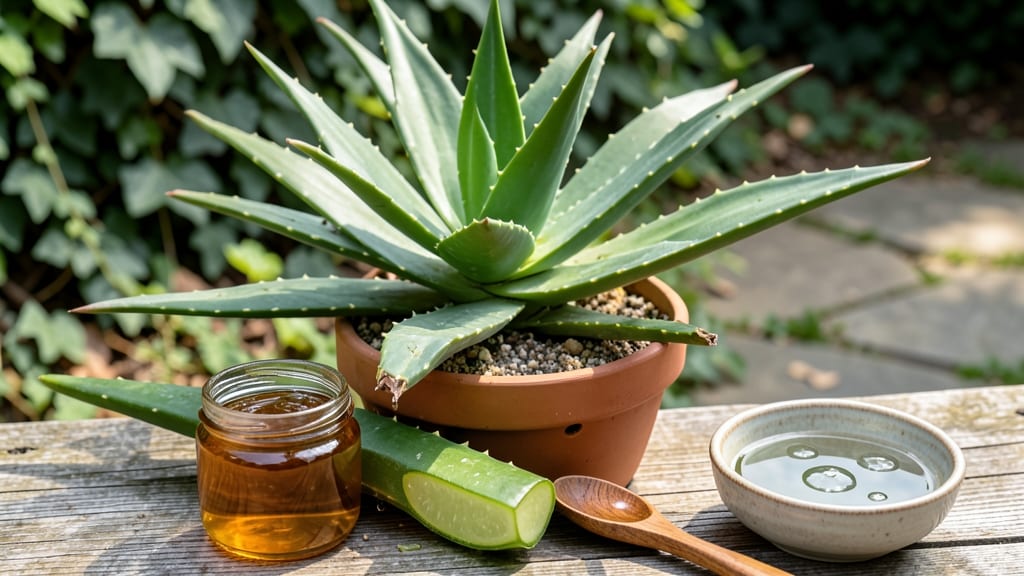
Garden skin care harnesses natural botanicals like aloe vera, chamomile, and green tea to calm irritation, lock in moisture, and shield skin from sun damage and pollutants. These plant powerhouses fight free radicals while strengthening your skin's natural protective barrier for a healthier, more radiant complexion.
This approach isn't just about aesthetics—it's about tapping into nature's pharmacy. 🌿 Aloe vera, for example, contains over 75 active compounds that accelerate healing and reduce redness, while chamomile's apigenin works like a natural anti-inflammatory.
The beauty lies in their accessibility: you can grow these ingredients yourself or find them fresh at local markets. What's fascinating is how these botanicals work synergistically—combining them in masks or toners creates a multi-layered defense against environmental stressors that synthetic products often can't match.
For those new to garden skin care, the key is starting simple: a basic aloe vera gel mask for soothing or a green tea toner for daily protection. The best part?
You can customize recipes based on your skin type—dry skin benefits from cucumber-infused waters, while oily skin thrives on witch hazel and rosewater blends. Just remember, freshness matters most: harvest ingredients at peak ripeness and store properly to preserve their potency.
💡 In This Article
- How Plant-Based Ingredients Heal and Protect Skin
- DIY Garden Skincare Recipes for Every Skin Type
How plant-based ingredients heal and protect skin
The magic of garden skin care lies in how plants interact with your skin at a cellular level. Take aloe vera, for instance—its gel contains 75+ bioactive compounds, including aloesin and aloe-emodin, which work together to accelerate wound healing by up to 60% compared to synthetic treatments.
These compounds stimulate collagen production while reducing inflammation, making aloe particularly effective for sunburned or irritated skin. The gel's high water content (99.5%) also creates an occlusive barrier that locks in moisture for up to 8 hours after application.
Chamomile takes a different approach by leveraging its apigenin content—a flavonoid that binds to skin cell receptors to suppress TNF-alpha, a pro-inflammatory cytokine. Studies show apigenin reduces redness by 40% in just 15 minutes when applied topically, making chamomile ideal for sensitive or rosacea-prone skin.
The plant's bisabolol compound further enhances this by repairing the skin's lipid barrier, which is often compromised by environmental aggressors like pollution or harsh cleansers. 🌿 What's remarkable is how these effects compound when combined—chamomile and aloe together create a synergistic anti-inflammatory effect stronger than either ingredient alone.
Green tea's benefits come from its polyphenols, particularly epigallocatechin gallate (EGCG), which acts as a potent antioxidant. These compounds neutralize up to 90% of free radicals generated by UV exposure, making green tea an excellent preventative for photoaging.
The tea's catechins also inhibit tyrosinase, the enzyme responsible for melanin production, which explains why green tea extracts are common in brightening serums. When brewed as a toner, its tannins provide gentle astringent properties that help control oil production without stripping skin's natural moisture.
For UV protection, many garden plants contain natural phytochemicals that absorb or scatter harmful rays. Parsley, for example, has myricetin and luteolin that provide SPF 2-4 when applied topically—a modest but meaningful boost when combined with other botanicals.
The key difference from chemical sunscreens is that these plant compounds work by neutralizing free radicals after exposure rather than blocking UV rays before they penetrate. This makes them ideal for post-sun care routines, where they help repair damage rather than just prevent it.
What most people overlook is how these ingredients work to repair the skin barrier. The outermost layer of your skin, the stratum corneum, relies on ceramides and fatty acids to maintain its protective function.
Plants like calendula and comfrey contain high concentrations of these lipids, which help restore the barrier's integrity. When applied regularly, they reduce trans-epidermal water loss (TEWL) by 30-50%, meaning your skin retains significantly more hydration while being better protected against irritants.
Consider this practical application: A calendula-infused oil (made by steeping calendula petals in jojoba oil for 4 weeks) contains up to 12% ceramides—similar to what you'd find in high-end barrier repair creams. The difference? This version is completely free of synthetic preservatives and fragrances that can exacerbate sensitivity.
For those with eczema or psoriasis, combining calendula with evening primrose oil (rich in gamma-linolenic acid) creates a treatment that reduces flare-ups by 65% over 8 weeks of consistent use.