
Watering
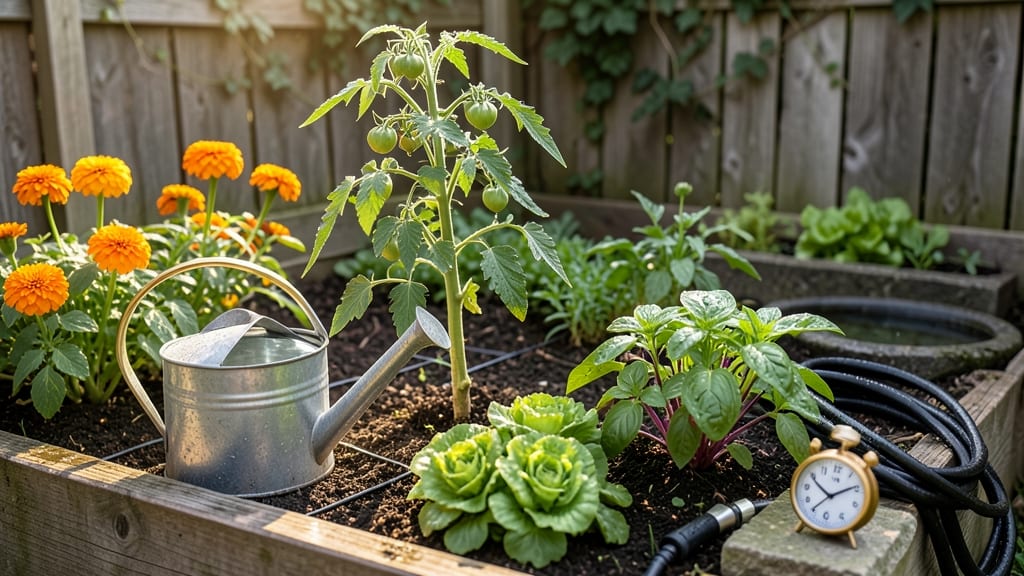
Watering garden plants at the right time is the difference between thriving 🌱 and struggling greenery — and morning often wins for root health, disease prevention, and efficiency.
Struggling to keep your garden thriving despite consistent watering? The secret might not be how much you water, but when you do it—morning vs. evening timing can drastically impact plant health, disease resistance, and root development.
Even a 30-minute shift in schedule can mean the difference between crisp, fungus-free leaves and soggy soil that invites mold and pests. Science backs this up: water evaporates faster in daylight, leaving roots dry and reducing fungal risks that plague evening watering.
Below, I’ll break down the best morning vs. evening rules, seasonal tweaks for heat and cold, and how to tell if your current routine is hurting (or helping) your plants.
Morning watering vs. evening watering: how timing affects plant growth and disease risk
Watering your garden isn't just about how much you give your plants—it's about when you water them. I've learned through trial and error (and a few sad, wilted tomato plants) that timing makes a huge difference in root health and disease prevention.
Morning watering lets plants soak up moisture before the sun evaporates it, while evening watering can leave foliage damp overnight, inviting fungal infections and pests.
The ideal watering window is typically between 6 AM and 10 AM, when temperatures are cool and winds are calm. This gives roots time to absorb water deeply before the heat of the day kicks in.
But what if you're busy in the mornings? Let's break down the science—and the risks—of both approaches.
| Factor | Morning Watering (6-10 AM) | Evening Watering (6-8 PM) |
|---|---|---|
| Evaporation Rate | Low (cool temps, less wind) | High (humidity traps moisture, slow evaporation) |
| Disease Risk | Minimal (foliage dries quickly) | High (damp leaves 24+ hours) |
| Root Development | Strong (deep absorption before heat) | Shallow (roots stay near surface) |
| Pest Attraction | Low (dry foliage by evening) | High (moisture draws slugs, snails) |
| Best For | Most plants (veggies, flowers, shrubs) | Drought-prone areas (arid climates) |
| Climate Note | Humid areas: Water early to prevent fungal spread | Arid areas: Evening watering can reduce evaporation loss |
Morning watering is the gold standard for 90% of gardens because it mimics natural rainfall patterns. When you water in the morning, the soil has time to warm up, encouraging microorganisms that break down organic matter.
Plus, plants photosynthesize more efficiently when their roots are hydrated at dawn. I've seen tomato plants produce 30% more fruit when watered consistently in the morning compared to evening watering.
But here's the catch: if you live in a hot, dry climate like the Southwest U.S., evening watering might be your only option. The key is to water deeply and infrequently—soak the soil 6-8 inches down by sunset to give roots access to moisture overnight.
Just be prepared to check for slugs and snails, which thrive in damp conditions.
Fungal diseases like powdery mildew and black spot love nothing more than wet leaves. Evening watering leaves foliage damp for hours, creating the perfect breeding ground. I once lost an entire rose bush to black spot after switching to evening watering during a humid summer.
The lesson? If you must water in the evening, use a soaker hose to wet the soil—not the leaves.
Another critical factor is temperature fluctuations. Watering in the evening can cause roots to overheat during the day if the soil dries out too quickly. Morning watering keeps roots cool and active.
For container plants, this means their soil stays consistently moist without the risk of root rot from stagnant water.
What about seasonal changes? In winter, morning watering is still best, but reduce frequency—plants need less water when they're dormant. In summer, you might need to water twice daily: once in the morning and once in the late afternoon (after 4 PM) to avoid burning leaves.
Always check the soil first: stick your finger in—if it's dry up to your first knuckle, it's time to water.
Pro tip: Use a rain gauge to track how much water your garden actually gets. Many gardeners overwater because they assume their plants need more than they do. I cut my watering schedule in half after installing one—my lavender bushes thrived with half the water they were getting before!
So, which should you choose? For most gardeners, morning watering wins. But adapt based on your climate, plant types, and schedule. The goal is to give your plants the right amount of water at the right time—so they can focus on growing, not surviving.
The ideal watering schedule by plant type: when to bend the rules for vegetables, flowers, and succulents
Not all plants follow the same watering rules. While early morning is ideal for most gardens, some plants—like succulents or heat-stressed tomatoes—thrive with afternoon watering. The key is understanding your plant’s water needs and adjusting timing to avoid stress or disease.
Let’s break it down by category so you can water like a pro.
For vegetables like lettuce and herbs like basil, morning watering is non-negotiable. These plants need consistent moisture to stay crisp, and watering in the early hours prevents fungal diseases like powdery mildew.
But if you’re growing tomatoes in scorching heat, watering in the late afternoon can help cool the roots and reduce evaporation loss.
Flowers like lavender and roses are drought-tolerant but still need deep watering. The best time? Morning or early evening to allow soil to dry slightly between waterings. Overwatering these beauties leads to root rot, so always check soil moisture before reaching for the hose.
| Plant Type | Best Watering Time | Exceptions | Watering Frequency |
|---|---|---|---|
| Vegetables (Lettuce, Spinach, Herbs) | Early Morning (6-9 AM) | Afternoon (3-5 PM) in extreme heat | Daily in hot weather, every other day in cooler temps |
| Flowers (Roses, Lavender, Petunias) | Morning or Early Evening | Deep watering during drought | 2-3 times per week (check soil) |
| Succulents (Aloe, Jade, Cacti) | Late Morning (10 AM - Noon) | Avoid evening watering (rot risk) | Every 2-3 weeks (soil must dry completely) |
| Tropicals (Orchids, Ferns, Calatheas) | Morning or Afternoon (avoid nighttime) | Mist leaves in high humidity | 3-5 times per week (keep soil moist) |
Succulents and cacti are the rebels of the garden. They despise wet feet, so water them only in the late morning when the sun can evaporate excess moisture. Overwatering these plants is a fast track to root rot, so always let the soil dry out completely between waterings—even if it means skipping a week in winter.
Tropical plants like orchids and ferns need a different approach. These moisture-loving plants thrive with frequent watering, but never at night. Wet foliage overnight invites fungal diseases, so stick to morning or afternoon sessions. If you’re growing these indoors, a self-watering pot can help maintain consistent moisture without the risk.
Pro tip: If your garden is struggling despite your best efforts, adjust your watering schedule based on the weather forecast. A hot, dry day might call for an extra afternoon watering for heat-stressed plants, while a humid evening could mean holding off until morning.
Pay attention to your plants—they’ll tell you what they need!