
Tools
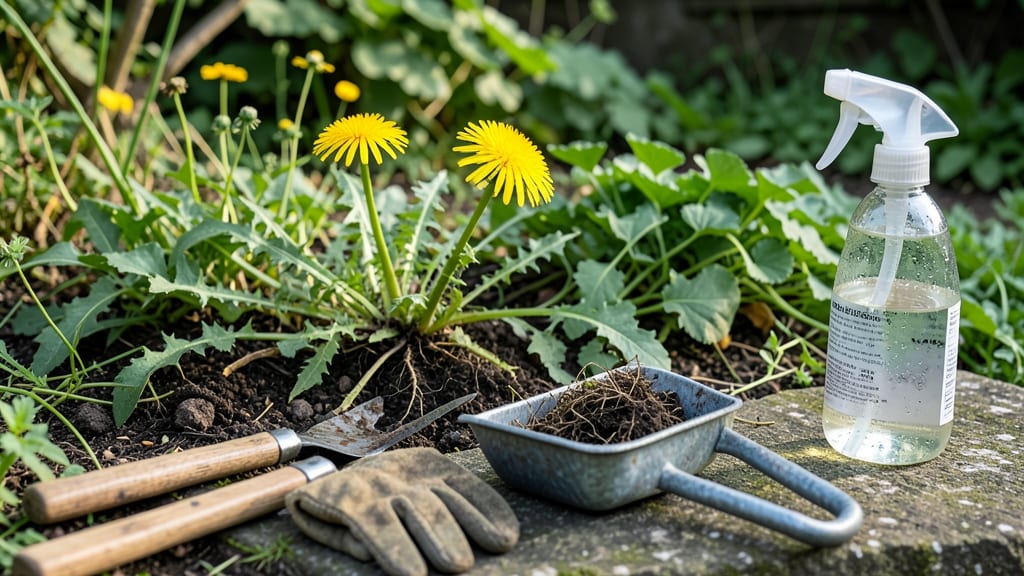
UK garden weeds grow aggressively year-round because of the mild climate, with persistent species like ground elder, creeping buttercup, and bindweed taking over if left unchecked. Spot them early, pull them manually or use vinegar-based solutions, and maintain a strict seasonal removal schedule to stop them from spreading before they become unmanageable.
The UK's damp, temperate climate creates the perfect conditions for weeds to flourish, especially those that thrive in cooler weather like ground elder and bindweed. 🌱 Unlike hotter climates where weeds die back in winter, these hardy plants keep growing year-round, making consistent control essential.
I’ve found that focusing on prevention—like applying mulch in spring and using targeted sprays in autumn—cuts down on the time spent pulling weeds later. The key is acting fast: even a small patch of bindweed can overtake a garden within months if ignored.
For best results, combine manual removal with natural solutions like vinegar or boiling water for stubborn weeds. Regular inspections (especially after rain) help catch new growth before it establishes deep roots.
Many gardeners swear by a monthly control calendar, adjusting methods based on seasonal growth patterns—spring for germinating weeds, summer for flowering perennials, and autumn for hardy survivors.
💡 In This Article
- Common UK Garden Weeds by Season and Their Growth Patterns
- UK-Specific Weed Control Calendar: Monthly Prevention and Removal Guide
Common UK garden weeds by season and their growth patterns
The UK's mild, maritime climate—with average winter temperatures rarely dropping below 4°C (39°F)—creates ideal conditions for weeds to grow continuously.
Unlike Mediterranean climates where weeds go dormant in winter, UK species like ground elder and bindweed remain active, using the frequent rainfall (about 1,200mm/year) to establish deep root systems.
This persistence explains why weeds like bindweed can spread 60cm (2ft) per year if unchecked, while dandelions produce up to 20,000 seeds per plant in summer.
Seasonal growth patterns vary dramatically. Spring brings fast-growing annuals like chickweed, which germinates within 5-7 days of soil warming above 5°C (41°F). Summer favors perennials such as dandelions, whose deep taproots (up to 15cm/6in) make them resistant to shallow hoeing.
Autumn sees hardy weeds like groundsel thrive in cooler weather, while winter-hardy species like creeping buttercup survive frost through their rhizomatous root systems, which store nutrients underground.
Rainfall plays a critical role—weeds like speedwell spread rapidly after 10mm+ of rain, as moisture softens soil and stimulates seed germination. The UK's 150-200 rainy days per year create perfect conditions for weeds to outcompete desired plants.
This is why mulching (with 5-7cm/2-3in of organic matter) becomes essential in spring—it blocks light and suppresses germination before weeds establish.
Root depth matters too. Bindweed, for example, has roots that can penetrate 1.5m (5ft) deep, making it nearly impossible to eradicate with shallow tools. In contrast, chickweed has shallow roots (2-3cm/1in), so it's easier to remove by hand when soil is damp.
Understanding these differences helps you choose the right control methods—deep cultivation for bindweed versus surface mulching for annuals.
Climate also affects flowering cycles. Dandelions bloom from March to October, releasing seeds that can travel up to 5m (16ft) on the wind. Creeping buttercup, meanwhile, flowers from April to September, but its persistent roots mean it can regrow from tiny fragments.
This explains why many gardeners report "weed resurgence" after partial removal—what appears to be gone often returns from hidden root segments.
For organic gardeners, timing is everything. The best window for manual removal is when soil is moist (after rain) but weeds are still young. Vinegar-based sprays work best on sunny days when foliage is dry, as the acid penetrates leaves more effectively.
Chemical herbicides, meanwhile, are most effective when applied to actively growing weeds in spring or autumn, when they're absorbing nutrients through their leaves.
What most gardeners overlook is how weeds exploit seasonal transitions. For instance, ground elder becomes most aggressive in late summer when it stores energy in its roots for winter regrowth. By targeting these growth peaks with bi-weekly inspections, you can break the weed lifecycle before it gains a foothold.