
Tools
Garden Zone 10b includes coastal California, southern Arizona, and parts of Florida, where winters stay mild (25°F to 30°F) and summers hit 90°F+. This zone thrives with tropical plants like bougainvillea and citrus, but drought-resistant species are essential due to limited rainfall.
Identifying Zone 10b means understanding its microclimates—coastal areas benefit from ocean breezes that moderate temperatures, while inland regions experience hotter, drier conditions. 🌵 The key is balancing heat-loving plants with those that tolerate occasional dry spells, like olive trees or agave.
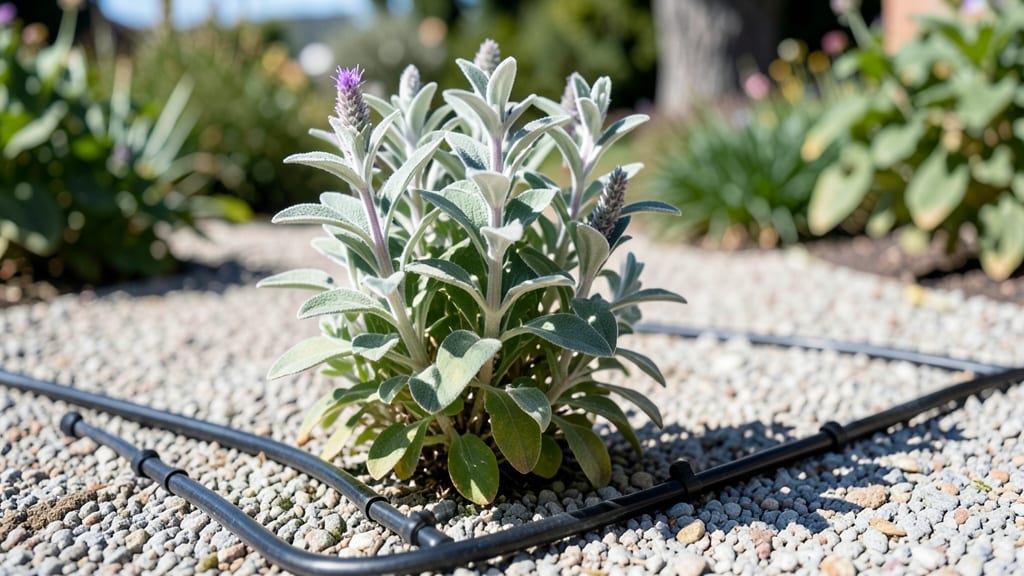
Many gardeners in this zone rely on mulching and drip irrigation to conserve moisture, especially during summer droughts.
What sets Zone 10b apart is its frost-free growing season, allowing year-round planting for hardy tropicals. However, even mild winters can bring brief cold snaps, so protecting sensitive plants like hibiscus with frost cloth is wise.
Native species like desert willow or California lilac often require less maintenance while adding local charm to landscapes.
💡 In This Article
- Climate Science Behind Zone 10b’s Unique Microclimates
- Best Plants for Zone 10b Gardens: Drought-Tolerant and Frost-Resistant Picks
Climate science behind Zone 10b’s unique microclimates
Zone 10b's climate is shaped by a fascinating interplay of geography and ocean currents. Coastal areas like Southern California benefit from the Pacific Ocean's moderating influence, where temperatures rarely drop below 30°F even in winter. The California Current brings cooler waters that create a marine layer, reducing temperature swings.
Inland regions, however, experience more extreme heat—summers can exceed 100°F in desert areas like southern Arizona, where the lack of ocean influence creates a true desert climate.
The frost-free period in Zone 10b typically lasts 300-365 days, allowing tropical plants to thrive year-round. Coastal areas maintain higher humidity levels (around 60-70%) due to ocean moisture, while inland deserts see humidity drop to 10-20% during summer.
This humidity difference dramatically affects plant selection—coastal gardens can support lush palms and ferns, while desert landscapes require cacti and succulents that store their own water.
Elevation plays a surprising role in Zone 10b's microclimates. Mountainous areas in Southern California, like the Santa Monica Mountains, create cooler microclimates where frost can occur at higher elevations (3,000 feet+) even when coastal areas remain frost-free.
This is why gardeners in these zones often plant frost-tolerant citrus varieties like Improved Meyer lemon, which can handle brief 25°F temperatures better than tropical varieties.
Another critical factor is soil temperature. In desert regions, soil can heat up to 140°F during summer, which is lethal to many plants. This extreme heat requires deep mulching (at least 4 inches) to protect roots.
Coastal soils, meanwhile, stay cooler and moister, supporting a wider range of plant life. The contrast between these environments explains why Zone 10b can support both Mediterranean and desert ecosystems within just a few miles.
Rainfall patterns further complicate plant selection. Coastal areas receive 10-20 inches annually, while desert regions get 5-10 inches. This scarcity means irrigation is often essential—drip systems that deliver water directly to roots minimize evaporation and maximize efficiency.
Native plants like California buckwheat have evolved to thrive with minimal water, making them ideal for drought-prone areas.
Understanding these microclimates helps gardeners make precise plant choices. For example, while bougainvillea thrives in coastal heat, it struggles in desert conditions without extra water.
Similarly, olive trees—native to Mediterranean climates—can handle both coastal and inland Zone 10b environments but require well-draining soil to prevent root rot from occasional heavy rains. 🌿