
Blooming
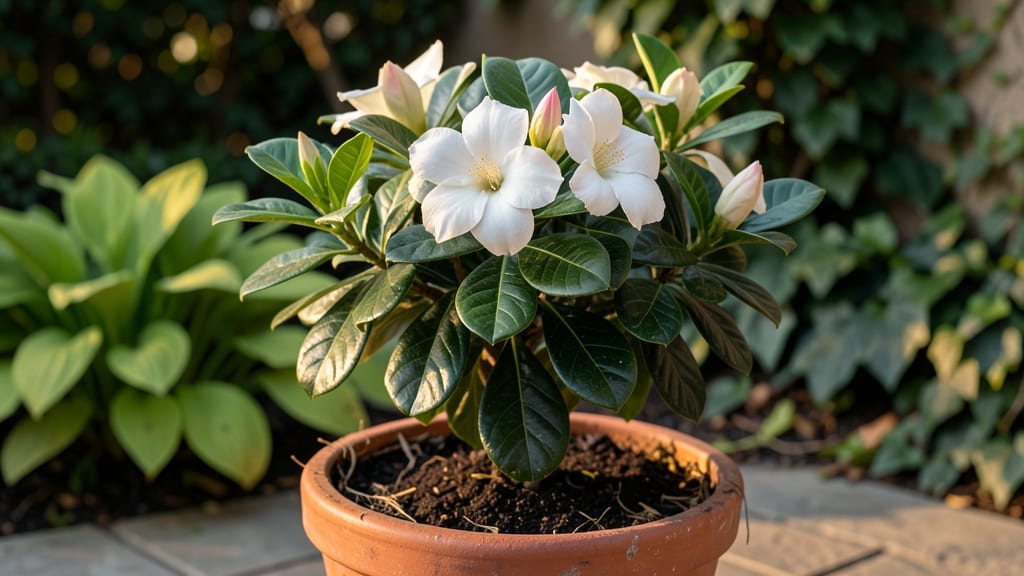
Gardenia flowers bloom in late spring through summer 🌸 — typically May to August in most regions, though timing shifts with climate and care.
If you’ve ever wondered why your gardenia bushes aren’t blooming—or when to expect those intoxicating white flowers—timing is everything. Gardenias thrive in specific climate zones, and their flowering schedule depends on where you live.
In USDA Zone 6a, like much of the Midwest, expect blooms from June to early September, while warmer zones like Florida see flowers as early as April. The key? Balanced care and the right conditions.
Here’s how to encourage healthy blooms, adjust for your zone, and pick the best varieties for year-round fragrance.
Gardenia flowering months by USDA climate Zone: a detailed guide
If you've planted gardenias hoping for those creamy-white, intoxicating blooms, timing is everything. These tropical-looking shrubs rely heavily on temperature and daylight cues to trigger flowering.
In USDA Zones 7-11, gardenias bloom at different times depending on your region—some burst into flowers in spring, while others enjoy extended summer displays. Understanding your zone's typical flowering window helps you set expectations and adjust care for optimal blooms.
Gardenias are short-day plants, meaning they respond to daylight hours rather than calendar months. As days grow shorter in late summer, many varieties prepare for their main flowering surge.
However, humidity and warmth also play critical roles—Florida gardenias may bloom year-round, while California plants might wait for summer's heat. Let's break down exactly when to expect those fragrant blossoms in each zone.
🌸 GARDENIA FLOWERING WINDOWS BY CLIMATE ZONE
In Zone 7, gardenias typically wait until late spring when temperatures consistently stay above 70°F. This is their primary bloom window of late May through July, with a smaller flush in September as days shorten.
Gardeners in Atlanta or Raleigh often see their first blooms around Memorial Day, while those in northern Zone 7 (like St. Louis) may wait until June.
Moving to Zone 8, the flowering schedule shifts earlier. Gardenias in Charleston or New Orleans begin blooming as early as April, with peak displays through June.
The humid Southern summers trigger a second bloom in August-September, though this is often lighter. Daylight length becomes the dominant factor here—when days drop below 13 hours, buds form rapidly.
California gardeners in Zone 9 experience a different pattern. Coastal areas like San Diego see blooms as early as March, while inland Los Angeles plants may wait until April. The Mediterranean climate creates ideal conditions for extended blooming, with many varieties producing flowers from spring through fall. Morning fog and afternoon sun create perfect humidity levels for bud development.
In Zones 10-11, gardenias often bloom year-round with seasonal peaks. Florida's tropical climate means gardenias in Miami or Orlando can produce flowers in every month, though spring and fall remain the most abundant.
Hawaii's Zone 11 gardenias follow this pattern too, with larger, more fragrant blooms during cooler months when humidity is highest.
Temperature plays a critical role in gardenia flowering. Most varieties need consistent warmth above 65°F to set buds. In cooler zones (7-8),
How to adjust care for early or late blooming gardenias
If your gardenias are blooming earlier or later than usual—or not at all—don’t panic! Gardenias are sensitive to seasonal shifts, light exposure, and care adjustments. With the right tweaks, you can encourage blooms outside their typical spring-to-summer window.
The key lies in understanding how to prune strategically, adjust fertilizer, and optimize sunlight for your climate.
Most gardenias bloom between April and June in warmer zones, but cooler climates may see flowers as late as July or August. If your plant is lagging, it’s often due to overwatering, poor drainage, or nutrient imbalances.
Let’s fix that! Start by checking your plant’s light conditions—too much direct sun can stress the plant, while too little shade delays flowering.
⚠️ callout warning
Gardenias hate soggy roots—this is the #1 reason they skip blooming! If your soil stays wet for more than 24 hours, roots suffocate, starving the plant of nutrients needed for flowers. Fix it: Amend soil with perlite or sand and water only when the top 1-2 inches are dry. Pro tip: Use a moisture meter to avoid guesswork!
For early bloomers, focus on light adjustments and pruning. If your gardenia is flowering in February or March, it’s likely reacting to unusually warm winters.
To delay blooming until spring, move potted plants to a cooler, shadier spot in late fall. Prune lightly in early spring to encourage new growth and delayed flowering.
To encourage late-season blooms, feed your gardenia with a balanced, acidic fertilizer (like 10-10-10) in early summer. Avoid heavy nitrogen—it promotes leafy growth over flowers.
Pair this with morning sunlight and evening shade to reduce stress. Mulch with pine bark to maintain acidic soil (pH 5.0-6.0) and retain moisture.
Pruning is another game-changer. If your gardenia blooms too early, prune after flowering to shape the bush and encourage next year’s buds. For late bloomers, prune lightly in early spring to avoid removing potential flower buds.
Always use sterilized shears and cut just above a leaf node to promote healthy regrowth.
Finally, watch for pests like aphids or spider mites, which sap energy meant for blooms. Spray with neem oil or insecticidal soap if you spot sticky residue on leaves. With these adjustments, your gardenia will bloom on schedule—or even extend its season—while staying healthy and fragrant.