
Pruning
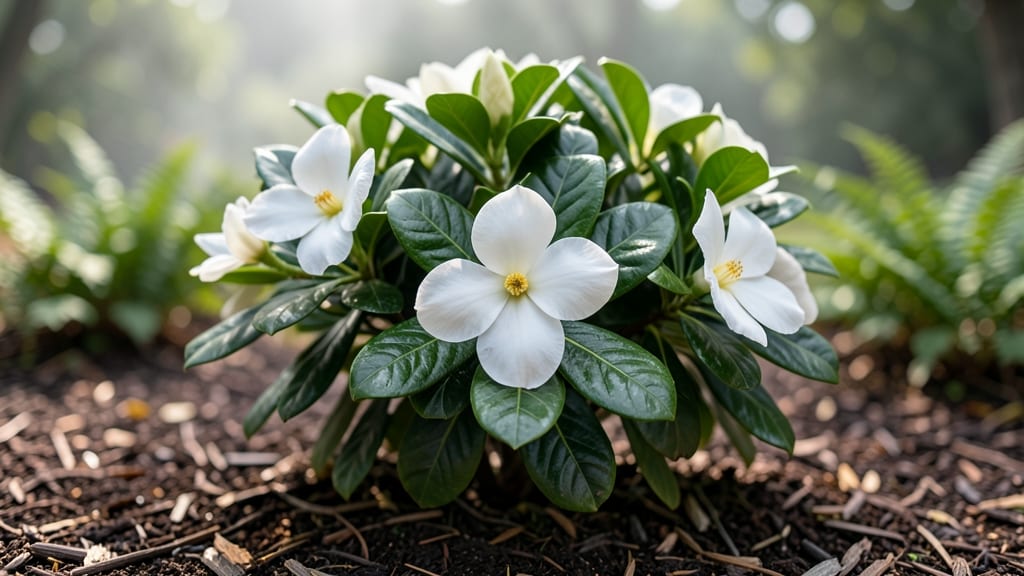
A gardenia bush height can reach anywhere from 3 to 8 feet, depending on the variety and care you provide—making it a versatile choice for both small gardens and bold landscapes.
Struggling to control your gardenia bush’s wild, sprawling growth—or wishing it could reach new heights? The secret lies in strategic pruning, which can transform a rambling shrub into a perfectly shaped, disease-resistant masterpiece—whether you want it compact or towering.
Some gardenias, like the ‘Kleim’s Hardy’, stay under 4 feet tall, while others, such as the ‘Augusta Sue’, can soar to 8 feet or more. The difference often comes down to genetics, sunlight exposure, and how you prune.
In this guide, I’ll break down how to manage your gardenia’s height naturally, when to prune for the best results, and how to pick the right variety for your space—so you can enjoy those fragrant 🌸 blooms year after year.

Natural gardenia bush height: how genetics and varieties determine size
If you’ve ever wondered why your gardenia bush seems to grow like a wild beast or stays stubbornly small, the answer lies in its genetics and variety.
Unlike some plants that respond uniformly to care, gardenias—especially Gardenia jasminoides and Gardenia augusta—come in sizes ranging from 3-foot dwarfs to towering 10-foot shrubs. Your gardenia’s height isn’t just luck; it’s hardwired into its DNA, with sunlight, soil acidity, and climate acting as environmental tweaks.
Before you reach for the pruners, know this: overpruning can stunt growth and reduce blooms. The key to managing height starts with understanding your gardenia’s natural growth potential.
Some varieties, like ‘Kleim’s Hardy,’ max out at 3–4 feet, while others, like ‘Radicans,’ can stretch to 10 feet or more. Even within the same species, a gardenia grown in bright, indirect light may stay compact, while one basking in full morning sun could shoot up faster.
🌱 Did You Know? Gardenias grow 1–2 feet per year under ideal conditions, but their final height depends entirely on their genetic blueprint. For example, Gardenia augusta typically stays between 5–8 feet, while dwarf varieties like ‘Veitchii’ rarely exceed 3 feet. Your goal shouldn’t be to force a change in height but to work with nature—and a little strategic pruning—to shape it to your space.
Your gardenia’s height isn’t just about genetics—it’s also about environmental factors.
For instance, a gardenia in full sun may grow taller but produce fewer blooms, while one in partial shade stays bushier and flowers more profusely. Soil acidity plays a critical role too: gardenias thrive in pH 5.0–6.5, and alkaline soil can stunt growth or cause yellowing leaves.
If your gardenia is struggling to reach its potential height, test your soil and amend it with peat moss or sulfur to lower the pH.
Climate also shapes height. In warmer zones (7–10), gardenias grow faster and taller, while in cooler zones (6a–6b), they may stay smaller unless protected from frost. If you’re in a transition zone, consider planting near a south-facing wall to extend the growing season and encourage vertical growth.
Just remember: hard pruning in cold climates can shock the plant, so always prune after the last frost date.
One of the biggest mistakes gardeners make is pruning too aggressively to control height. While light pruning can shape your gardenia, cutting back more than 1/3 of the plant’s height in one season can stress it and reduce blooms.
Instead, focus on selective pruning to encourage bushier growth or maintain a specific shape. For example, if you want a compact gardenia, trim back the tallest stems by 1/4 their length in early spring, and for a taller gardenia
Pruning techniques to control gardenia bush height: step-by-step guide
Controlling your gardenia bush height starts with understanding the right timing and pruning techniques. Most gardeners make the mistake of pruning at the wrong time, which can stress the plant or even kill it.
The best time to prune is late winter or early spring, just as new growth begins. This ensures your gardenia has plenty of time to recover before summer heat sets in.
Before grabbing your pruners, gather the right tools: sterilized bypass pruners for clean cuts and a pair of sharp hand pruners for finer work. Sterilizing your tools with rubbing alcohol prevents the spread of fungal diseases, which gardenias are particularly susceptible to.
Avoid using dull tools, as they can tear the branches and invite infections.
Step-by-Step Pruning Guide for Gardenia Height Control
-
Step 1: Identify the Goal
Decide whether you want a bushier gardenia (prune top growth) or a taller gardenia (prune lower branches). For compact growth, focus on cutting back 1/3 of old wood from the top. -
Step 2: Locate the Growth Points
Find the buds or nodes where new growth emerges. These are typically at the junctions where leaves meet the stem. Prune just above these points to encourage new shoots. -
Step 3: Make Clean Cuts
Use your bypass pruners to make a 45-degree angle cut about 1/4 inch above a bud. Avoid leaving stubs, as they can rot and attract pests. -
Step 4: Remove Dead or Weak Branches
Cut out any dead wood, crossing branches, or those growing inward. This improves airflow and reduces disease risk. Aim to maintain an open, airy shape. -
Step 5: Encourage Bushier Growth
To promote a fuller bush, prune the tips of the upper branches to encourage lateral growth. This technique is perfect for gardenias in containers or small gardens. -
Step 6: Fertilize After Pruning
Apply a balanced, acid-loving fertilizer (like 10-10-10) to support new growth. Water deeply to help the plant recover and establish roots in the pruned areas.
One of the most common pruning mistakes is cutting too much at once. Never remove more than 1/3 of the gardenia’s foliage in a single session, or you risk shocking the plant.
Another mistake is pruning too late in the season, which can leave your gardenia vulnerable to frost damage or winter stress.
For vertical height control, focus on pruning the lower branches to redirect energy upward. If you want a bushier shape, prune the top growth to encourage outward branching. Always step back and assess the shape after each cut—gardenia bushes respond well to gradual adjustments over time.
After pruning, monitor your gardenia closely for signs of stress, like wilting or yellowing leaves. If you notice these symptoms, reduce watering slightly and ensure the plant gets enough morning sunlight to recover.
With the right approach, your gardenia will thrive at your desired height—whether that’s a compact hedge or a towering centerpiece.
🌿