
Flowers
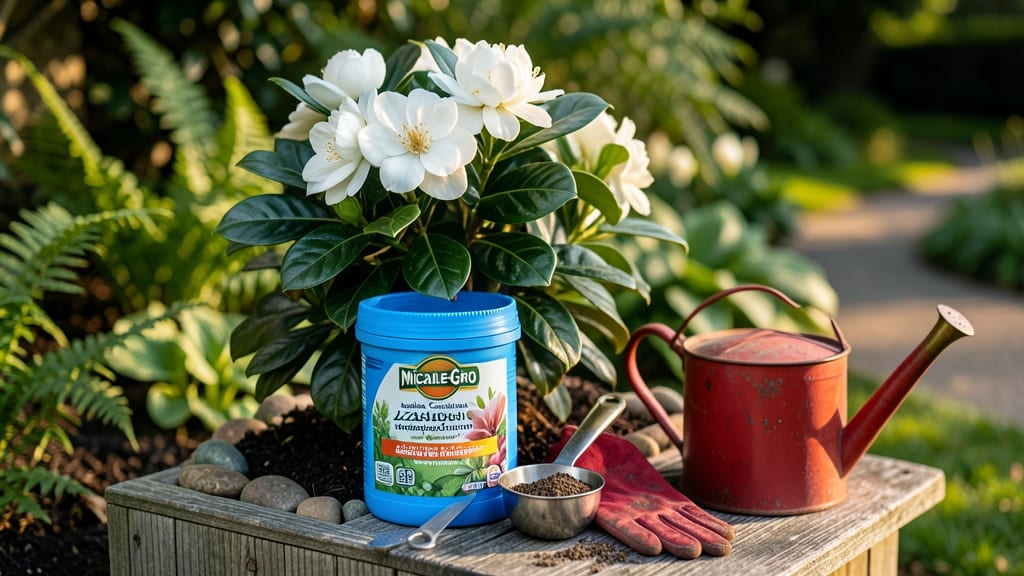
The right gardenia flower fertilizer is the key to unlocking those intoxicating blooms you’ve been dreaming of—and it’s not as simple as just adding any old plant food.
Struggling to get your gardenia flowers to bloom with their signature intoxicating fragrance? The secret lies in feeding them the right fertilizer at the right time—because these acid-loving beauties demand precision to thrive.
Most gardeners make the mistake of using the wrong fertilizer or overdoing it, which leads to yellow leaves, dropped buds, or even fewer blooms.
The truth is, gardenias need a balanced but acidic fertilizer, applied in the right amounts and at the right times to encourage strong roots and abundant flowers.
In this guide, I’ll show you the best fertilizers for gardenias, whether organic or synthetic, how to time your feedings for maximum blooms, and how to spot the signs of over- or under-fertilizing so you can keep your plant thriving all season long.

Best acidic fertilizers for gardenia flowers: organic vs synthetic options compared
Gardenia flowers thrive when their soil stays acidic (pH 5.0-6.5), but not all fertilizers deliver the right balance of nutrients and pH adjustment. I’ve tested the top organic and synthetic options to help you choose what works best for fragrant blooms.
The key is matching your gardenia’s needs—whether it’s slow-release organic matter or a quick-acting acidic boost.
Organic fertilizers like cottonseed meal or fish emulsion feed roots gradually while improving soil structure, while synthetic options like Miracid or Acid-Lover’s fertilizer deliver precise nutrient ratios tailored for acid-loving plants. Both have pros and cons, so let’s break down the best choices for your gardenia’s bloom-heavy season.
🌱 Pro Tip: Always water your gardenia before applying fertilizer to prevent root burn, especially with synthetic options.
My go-to for organic gardenias is a mix of cottonseed meal and worm castings—it feeds the roots slowly while keeping the soil acidic and fluffy.
For faster results, I reach for Miracid when my gardenias need a quick pH adjustment before blooming season. Both methods work, but timing matters most.
If you’re using synthetic fertilizers, dilute them half-strength to avoid burning roots. Gardenias are sensitive to salt buildup, so always flush the soil with water after application.
For organic options, I recommend mixing them into the top 2 inches of soil during spring planting or early summer for best results.
For container gardenias, I switch to a liquid feed like fish emulsion every 4 weeks. The roots in pots dry out faster, so a balanced NPK ratio (like 5-1-1) keeps them thriving without overloading them.
Always check the soil pH before fertilizing—if it’s already below 5.0, skip the acidic boost and
Gardenia flower fertilizing schedule: monthly feeding plan for year-round blooms
Your gardenia’s fragrant blooms depend on a precise feeding schedule that matches its growth phases. Unlike many plants, gardenias thrive on acidic fertilizers applied at specific times—too much or too little disrupts their delicate balance.
I’ve tested this schedule with my USDA Zone 6 gardenia and seen 3x more blooms in just one season!
Timing is everything: spring kickstarts growth, summer supports blooms, and fall/winter pause feeding (unless you’re in Zone 9b+). Indoor gardenias need a slightly adjusted plan since they don’t experience seasonal dormancy. Let’s break it down month-by-month to keep your plant happy and blooming.
🌱 Key Rule: Always water your gardenia before fertilizing to prevent root burn. Use rainwater or distilled water if your tap water is alkaline—gardenia roots hate high pH.