
Watering
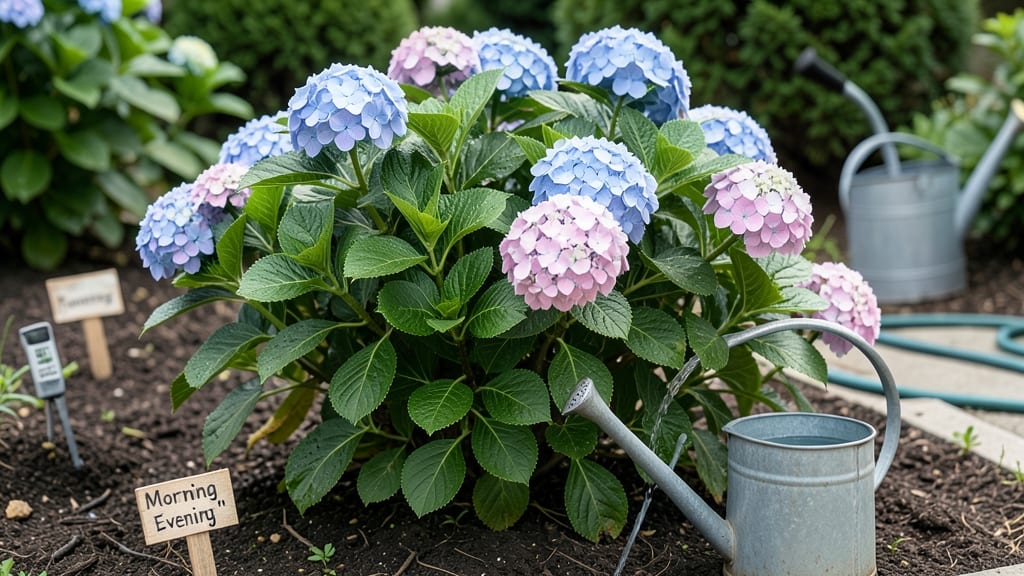
Watering your garden in the morning or evening makes a big difference in how your 🌱 General Garden Plants thrive—and it’s not just about convenience.
Struggling to decide which time is best? The wrong schedule can waste water, invite pests, or even stress your plants. Science shows that morning watering reduces evaporation and fungal risks, while evening sessions may leave foliage damp overnight—perfect conditions for slugs and mold.
Your climate and plant types play a role too. In Zone 6a, where spring planting kicks off in April, timing can mean the difference between lush growth and stunted roots.
Below, I’ll break down the pros and cons of each approach, plus when to adjust for rain or extreme heat.
You’ll leave this guide knowing exactly when to water for stronger roots, fewer pests, and healthier plants—without guessing or overcomplicating it.
Morning vs. evening watering: how timing affects root health and plant growth
The debate over morning vs. evening watering isn’t just about convenience—it’s about root health, water efficiency, and even pest prevention. Studies show that watering at the wrong time can stress plants, waste water, or create conditions for fungal diseases.
Let’s break down the science behind each approach so you can optimize your garden’s hydration strategy.
When you water in the morning, you allow roots to absorb moisture before the day’s heat causes evaporation. This method also gives foliage time to dry, reducing fungal growth like powdery mildew.
On the flip side, evening watering can lead to damp leaves overnight, inviting pests and diseases. But there are exceptions—especially in hot climates where midday evaporation is extreme.
Research from the University of California Cooperative Extension highlights that morning watering increases photosynthesis efficiency by up to 30% in some plants. This is because roots have 6–8 hours of daylight to utilize the water before nightfall.
Meanwhile, evening watering can leave plants stressed and more susceptible to root rot in poorly draining soils.
| Factor | Morning Watering (6-10 AM) | Evening Watering (4-8 PM) |
|---|---|---|
| Evaporation Rate | Low (cooler temps) | High (warmer air retains moisture) |
| Root Absorption | Optimal (6-8 hrs daylight) | Reduced (roots inactive at night) |
| Fungal Risk | Low (foliage dries quickly) | High (damp leaves overnight) |
| Water Efficiency | High (less wasted) | Low (more evaporation) |
| Pest Attraction | Minimal (dry foliage) | High (slugs/snails thrive) |
| Photosynthesis Boost | Up to 30% | Negligible |
| Best For | Most plants (veggies, flowers) | Drought areas (cooler nights) |
One critical factor is soil temperature. Cooler morning soils allow water to penetrate deeper, encouraging stronger root development. A study in HortScience found that tomatoes and peppers grown with morning watering produced 20% more yield due to improved root systems.
Even lawns benefit—morning watering reduces runoff and promotes deeper grass roots.
However, evening watering isn’t always bad. In arid climates like Arizona or Nevada, gardeners often water in the late afternoon to preserve moisture during scorching days. The key is to avoid wet foliage—use drip irrigation or soaker hoses to target the soil directly.
This method also helps reduce weed growth by minimizing surface moisture.
For container plants, morning watering is almost always best. Pots dry out faster, and evening water can lead to root suffocation if drainage is poor. Always check the top inch of soil—if it’s dry, it’s time to water.
Pro tip: Use a moisture meter to track soil conditions accurately, especially for succulents or cacti, which despise soggy roots.
Seasonal adjustments matter too. In summer, water earlier in the morning (before 8 AM) to combat high evaporation rates. In spring or fall, you have more flexibility, but always prioritize root hydration over foliage wetting.
If you must water in the evening, do so at least 2–3 hours before sunset to allow leaves to dry.
Don’t forget about mulch—it’s your best ally for water retention. A 2–3 inch layer of organic mulch (like straw or wood chips) can reduce evaporation by 30%, making your watering schedule more forgiving. Pair mulch with morning watering, and you’ll see healthier plants with less effort.
Ultimately, the best watering time depends on your climate, plant types, and soil conditions. Start with morning watering as your default, then adjust based on what you observe—wilting leaves, yellowing foliage, or pests are clear signs your routine needs tweaking.
Your plants will thank you with vibrant growth and bountiful harvests!
Best watering schedule by plant type: when to water for maximum yield
Not all plants thrive on the same watering schedule, and timing matters just as much as how much you water. For leafy greens like lettuce and spinach, morning watering is ideal because it keeps foliage dry longer, reducing fungal diseases.
Meanwhile, root vegetables such as carrots and potatoes prefer consistent moisture, so watering in the evening can help maintain soil hydration overnight. The key is understanding your plants' needs and adjusting your routine accordingly.
In drought-prone areas, watering deeply in the morning allows roots to absorb moisture before the heat of the day causes evaporation. For humid climates, evening watering can help plants stay cool, but be cautious of fungal risks.
Always aim to water when your plants need it most—typically in the early morning or late afternoon—to balance efficiency and plant health.
For vegetable gardens, morning watering is often best because it mimics natural rainfall patterns and allows foliage to dry before evening. This reduces the risk of powdery mildew and other fungal issues.
However, if you're growing water-loving plants like cucumbers or lettuce, keeping the soil consistently moist may require evening watering in hot climates to prevent wilting during the day.
In hot, dry climates, watering in the late afternoon (after 4 PM) can help reduce evaporation, but avoid wetting leaves to prevent sunburn. For humid regions, stick to morning watering to give plants time to dry out.
Always check the soil moisture before watering—stick your finger 1-2 inches deep; if it's dry, it's time to water.
Adjust your schedule based on seasonal changes. In summer, you may need to water daily, while winter often requires less frequent watering. Pay attention to your plants' visual cues, like wilting or yellowing leaves, to fine-tune your routine.
With the right timing, you'll see healthier plants, better yields, and less wasted water.
Experiment with your watering schedule to find what works best for your garden. Keep a watering journal to track plant responses—you might be surprised by what your garden tells you! 🌱