
Aphids
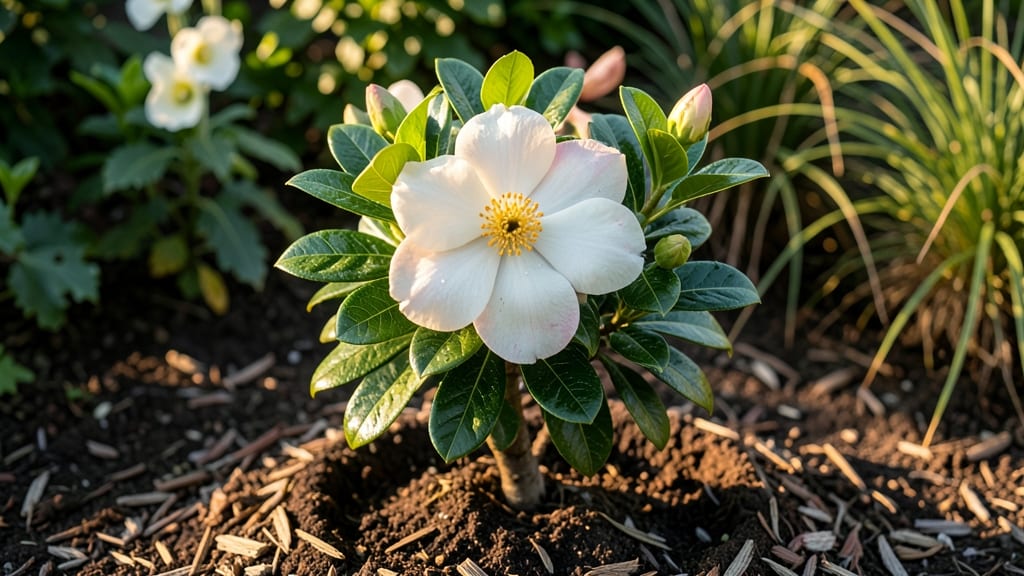
Understanding gardenia height and width is the first step to growing one that thrives 🌸—whether you’re planning a fragrant hedge or a container centerpiece.
Picture this: a 6-foot-tall gardenia towering over your patio, its glossy leaves just within arm’s reach, or a compact ‘Kleim’s Hardy’ barely brushing your knees. The difference isn’t just aesthetics—it’s about pruning, spacing, and even where you place it in your garden.
Some varieties stretch toward the sky, while others stay neatly contained. Below, we’ll break down the mature sizes of popular gardenias, how to prune for their ideal shape, and the spacing tricks that keep them blooming like clockwork.
Ready to turn your gardenia from a wild shrub into a well-behaved star? Let’s dive into the numbers—and how they change everything from container choices to border designs.

Gardenia height and width by variety: growth charts for common cultivars
If you’ve ever wondered how tall your gardenia will grow—or how wide its fragrant blooms will spread—you’re not alone. Gardenias are stunning but can vary dramatically in size depending on the variety.
Understanding these differences helps you plan your garden layout, prune effectively, and even choose the right pot for container gardening. Each cultivar has its own mature height and spread, which directly impacts its placement in your landscape or patio.
For example, the classic Gardenia jasminoides can reach heights of 6 feet or more, while dwarf varieties like ‘Radicans’ stay compact at just 2-3 feet. These differences aren’t just about aesthetics—they influence how you prune, stake, and even fertilize your plant.
Let’s break down the most popular gardenia varieties, their expected growth patterns, and how to use this info to shape your garden’s design.
🌱
The Gardenia jasminoides is the most common type you’ll find, and its size makes it perfect for creating a natural privacy screen or adding height to mixed shrub borders.
If you’re growing it in a container, choose a variety like ‘Radicans’ or ‘Mystery’, which stay under 3 feet tall and wide. These compact varieties are ideal for balconies, patios, or even as bushy accent plants in small gardens.
For those in cooler climates, ‘Kleim’s Hardy’ is a game-changer. It tolerates temperatures down to 0°F and reaches 3-5 feet, making it a versatile choice for foundation plantings or as a specimen shrub.
Its slower growth rate means you won’t need to prune it as aggressively as tropical varieties, which is a plus for busy gardeners.
On the other end of the spectrum, ‘Fortuniana’ is a powerhouse. This hybrid can grow 5-7 feet tall and wide, making it ideal for screening or adding tropical flair to larger landscapes.
If you’re using it in a landscape design, plan for its rapid growth—it can add 2 feet or more per year under ideal conditions.
Seasonal growth patterns also play a role in how you manage your gardenia’s size. Most varieties experience a spring growth spurt
How to prune gardenias based on height and spread for optimal blooms
Pruning your gardenia isn’t just about keeping it neat—it’s about encouraging bushier growth and maximizing those fragrant blooms. Since gardenias vary in height and width (from compact 2-foot dwarf varieties to towering 6-foot shrubs), your pruning approach should match your plant’s mature size.
For example, a 4-foot gardenia jasminoides needs lighter pruning than a sprawling 5-foot 'Radicans' type. The key is timing, technique, and knowing when to stop cutting to avoid stunting flowering.
Most gardeners make the mistake of pruning at the wrong time of year or cutting too aggressively, which can lead to fewer blooms or leggy growth. Instead, focus on spring or early summer pruning when new growth is just starting.
This is when your gardenia is ready to respond best to shaping.
For varieties like 'Kleim’s Hardy' (which stays under 3 feet tall), you’ll want to prune more frequently to maintain a compact, bushy shape, while larger types can handle selective trimming to open up the center for airflow.
Before you grab your shears, gather the right tools: bypass pruners for clean cuts, sterilized alcohol wipes to prevent disease, and sharp gardening gloves (gardenia leaves can be prickly!). Avoid dull tools—they tear plant tissue, slowing recovery.
Pro tip: Disinfect your tools with rubbing alcohol between cuts to prevent fungal spread, especially if your gardenia is in humid conditions.
Step-by-Step Pruning Guide for Gardenias
- 1 Wait for the right time: Prune in early spring (just as buds swell) or late summer (after blooming). Avoid fall—this is when gardenias prepare for dormancy.
- 2 Assess your gardenia’s shape: For tall varieties (4-6 ft), focus on removing 1/3 of the oldest growth to encourage new blooms. For compact types (2-3 ft), trim just the tips to promote bushiness.
- 3 Cut at the right angle: Make cuts just above a leaf node (the bump where leaves attach) at a 45-degree angle. This prevents water from pooling and reduces disease risk.
- 4 Thin out crowded branches: Remove crossing or inward-growing branches to improve airflow. Aim to open the center of the shrub—this reduces humidity buildup and prevents fungal issues.
- 5 Fertilize after pruning: Use an acidic, bloom-boosting fertilizer (like 8-3-9) to support new growth. Water deeply to help recovery, especially if you’ve trimmed more than 25% of the plant.
One of the biggest mistakes gardeners make is pruning too late in the season, which can delay next year’s blooms. For example, if you trim your 5-foot 'Fortuniana' in September, it may not have enough time to harden off before winter, leading to weak growth in spring.
Instead, plan your pruning to finish by mid-August for summer-blooming varieties or early March for spring blooms. This gives your gardenia 6-8 weeks to recover before the next growing season.
To encourage bushier growth in compact varieties (like 'Radicans'), try the "pinch and prune" method: In spring, pinch off the top 1-2 inches of new growth to stimulate side shoots.
For larger gardenias, selective heading back (cutting the tips of branches) will promote fuller foliage and more blooms. Remember, gardenias bloom on old wood, so avoid heavy pruning—stick to light shaping to preserve next year’s flower buds.
After pruning, monitor your gardenia for new growth signs like fresh leaves or buds. If you notice yellowing leaves or slow recovery, it may be due to over-pruning or poor soil conditions.
Adjust your approach next time—less is often more with gardenias. With the right pruning, your gardenia will reward you with lush foliage and abundant blooms