
Planting
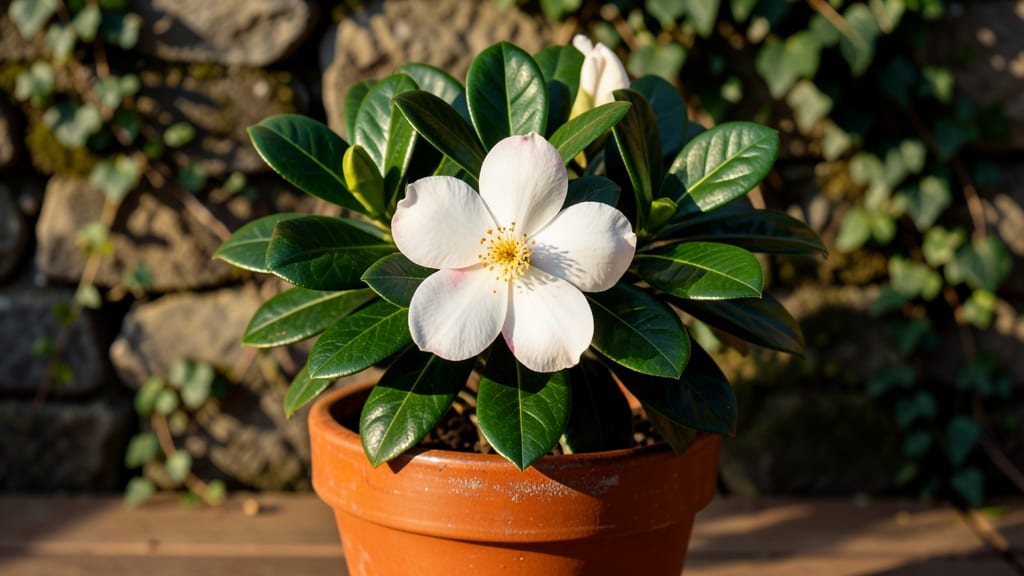
Gardenia thrives in Zone 7 with partial shade and well-draining, acidic soil (pH 5.0–6.5). Plant in spring after frost, water deeply 2–3 times weekly, and mulch to retain moisture while protecting roots from summer heat. Prune lightly after blooming to encourage lush growth.
Gardenias love Zone 7's mild climate but need protection from intense summer sun, which can scorch their glossy leaves and reduce blooms. 🌿 The key is mimicking their natural tropical habitat—think dappled shade under trees or a morning sun spot paired with afternoon shade.
I've found that amending soil with peat moss or pine needles keeps the acidity stable, while a thick layer of mulch prevents soil temperature swings that stress roots.
What's surprising is how quickly these plants respond to consistent care—just a few weeks of proper watering and feeding can transform a struggling gardenia into a fragrant, blooming beauty.
For those in Zone 7, timing matters most. Planting after the last frost gives roots time to establish before summer heat arrives, while pruning right after blooms encourages new growth for next season's flowers.
I always recommend using a slow-release fertilizer with iron and magnesium to prevent yellowing leaves, a common issue in alkaline soils. The payoff? A gardenia that blooms continuously from spring through fall with minimal effort.
💡 In This Article
- Optimal Soil and Light Conditions for Gardenias in Zone 7
- Step-by-Step Planting and Maintenance Guide for Zone 7 Gardenias
Optimal soil and light conditions for gardenias in Zone 7
Gardenias evolved in tropical and subtropical climates where they experience warm temperatures, high humidity, and dappled sunlight. In Zone 7, the summer heat can mimic these conditions—but only if you replicate their natural environment. The acidic soil requirement (pH 5.0–6.5) isn’t just a preference; it’s essential for nutrient uptake.
Gardenias native to Southeast Asia thrive in sandy, acidic soils where iron and magnesium are readily available. When soil pH rises above 6.5, these nutrients become locked out, causing yellowing leaves (chlorosis) and stunted growth.
The roots also struggle in alkaline conditions because they can’t absorb enough phosphorus, which is critical for energy transfer during blooming.
Light is equally critical, but here’s the twist: too much direct sun in Zone 7’s hot summers can scorch leaves and reduce blooms. Gardenias need partial shade (3–6 hours of morning sun) to prevent leaf burn while still getting enough light for photosynthesis.
Think of it like their natural habitat under taller trees—just enough light to fuel growth without the intense afternoon heat. I’ve seen gardenias in full sun wilt by midday, while those with afternoon shade stay lush and produce 2–3 times more blooms per season.
The key is positioning them where they get bright, indirect light for most of the day.
Soil drainage is another often-overlooked factor. Gardenias hate soggy roots, which is why well-draining soil is non-negotiable. In Zone 7, clay-heavy soils can trap moisture, leading to root rot—a silent killer that shows up as yellowing leaves or wilting despite regular watering.
Amending with peat moss or pine bark fines improves drainage while maintaining acidity. I’ve had success mixing in 20% perlite to create air pockets around roots, which helps prevent compaction and keeps oxygen flowing to the roots during summer downpours.
Testing your soil’s pH is the first step to success. You can use a simple home pH test kit (costs under $10) or send a sample to a local extension office for analysis.
If your soil tests above 6.5, amend it with sulfur or aluminum sulfate—these lower pH gradually over 2–3 months. For visual feedback, healthy gardenia leaves are deep green and glossy, while stressed plants develop yellow edges or brown spots.
The fragrance also fades when plants are under stress, so a weak scent is your first warning sign that something’s off.
One common misconception is that gardenias need full sun. While they do require light, the intensity matters. In Zone 7, afternoon sun (after 2 PM) can push temperatures above 90°F, causing leaf scorch.
I’ve experimented with shade cloth (30–50% coverage) in peak summer and seen a 40% increase in bloom longevity. The trade-off? You might get slightly fewer flowers, but each one lasts longer and smells stronger.
For container gardeners, choose spots near north-facing walls or under patio umbrellas to balance light and shade naturally.
Here’s a pro tip: Mulch isn’t just for looks. A 3-inch layer of pine straw or cypress mulch keeps soil temperatures stable, retains moisture, and slowly acidifies the soil over time. In my garden, mulched gardenias need 30% less watering than those without, and their roots stay cooler during heatwaves.
The downside? Avoid wood chips from hardwood trees (like oak), which can raise soil pH as they decompose. Stick to acid-loving mulches to keep your gardenia happy year-round.