
Light Requirements
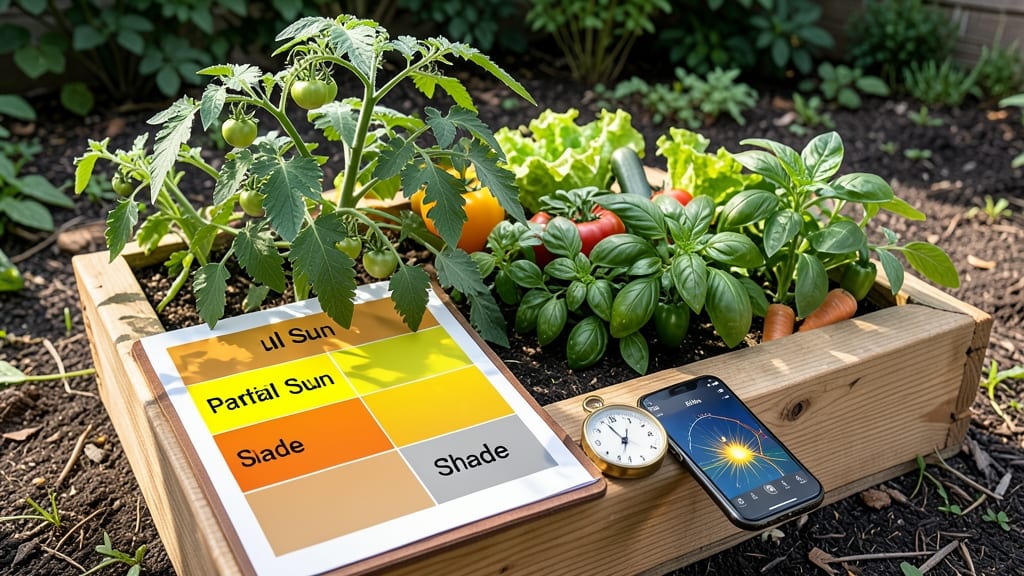
How much sun does a vegetable garden need? The magic number is 6 to 8 hours of direct sunlight daily—that’s what most plants crave to thrive 🥬, though some will happily settle for less.
Struggling to decide where to place your vegetable garden? Sunlight is the single most critical factor for a thriving harvest—yet most gardeners either overestimate or underestimate their plants' needs. Too little, and your tomatoes will turn sour; too much, and your lettuce bolts before you can blink.
Here’s the good news: not every vegetable demands the same amount of light. While sun-lovers like peppers and cucumbers bask in full sun, shade-tolerant greens like spinach or kale can handle just a few hours of morning rays.
I’ll break down exactly which crops need what—and how to tweak your garden layout for the best results.
Ready to stop guessing and start growing? You’ll also learn how to measure sunlight in your space, spot common mistakes that waste precious rays, and adjust for tricky microclimates. Let’s get your garden basking in the right kind of glow.

Sunlight requirements by vegetable type: full sun vs partial shade breakdown
Understanding how much sun your vegetable garden needs is the first step to a bountiful harvest. Most vegetables thrive under full sun, but some tolerate partial shade, especially in hot climates.
For instance, tomatoes and peppers demand 6-8 hours of direct sunlight daily, while leafy greens like spinach can handle 3-6 hours and even do better in cooler weather with afternoon shade.
Full sun typically means 6+ hours of direct sunlight, but partial shade (3-6 hours) suits heat-sensitive crops. The key is matching your garden’s sunlight map to each plant’s needs.
For example, cucumbers and squash love full sun but may wilt in extreme heat without afternoon shade. Meanwhile, lettuce and kale prefer partial shade to prevent bolting (premature flowering).
Here’s a quick breakdown of sunlight categories to help you plan your garden layout:
| Vegetable Type | Sunlight Needs | Examples | Growth Impact |
|---|---|---|---|
| Full Sun (6+ hours) | Direct sunlight all day | Tomatoes, Peppers, Cucumbers, Squash, Corn, Beans | Maximizes fruit/flower production |
| Partial Shade (3-6 hours) | Morning sun, afternoon shade | Lettuce, Spinach, Kale, Swiss Chard, Radishes, Green Onions | Prevents bolting in heat |
| Tolerates Shade (2-3 hours) | Dappled or filtered light | Parsley, Cilantro, Arugula, Bok Choy | Slower growth, smaller yields |
For high-value crops like tomatoes and peppers, full sun is non-negotiable. These plants need 6-8 hours of direct sunlight to produce sweet, flavorful fruits. Without enough light, they’ll grow leggy, produce fewer blooms, and yield poor-quality produce.
For example, heirloom tomatoes can reach 8+ pounds per plant in full sun but may only produce 2-3 pounds in partial shade.
On the other hand, leafy greens and herbs often thrive in partial shade, especially in hot climates. Spinach and lettuce bolt (go to seed) quickly when exposed to too much heat, but they’ll stay tender and sweet with 3-4 hours of morning sun.
Even basil, which loves warmth, benefits from afternoon shade in regions with 90°F+ temperatures to prevent wilting.
If your garden has mixed sunlight conditions, strategically place tall crops like corn or sunflowers on the north side of shorter plants to avoid shading them entirely.
For instance, pole beans can climb trellises near the north edge of your garden, leaving 6+ hours of sunlight for tomatoes and peppers planted to the south. This technique maximizes space while meeting each plant’s light requirements.
In hot, dry climates, even full-sun plants may need afternoon shade to prevent stress. Use shade cloth (30-50%) over tomatoes or peppers during peak afternoon heat (12 PM–4 PM) to maintain productivity.
Conversely, in cooler climates, you can extend growing seasons for shade-tolerant crops like kale or carrots by planting them in spring or fall when sunlight is less intense.
One common mistake is assuming "full sun" means all day. While many vegetables need 6+ hours, they also benefit from short breaks during extreme heat. For example, cucumbers may drop flowers if temperatures exceed 90°F without relief.
Pairing them with shade-tolerant companions like lettuce can create a microclimate that keeps the soil cooler and retains moisture.
To test your garden’s sunlight, observe it for a week in spring or summer. Use a sunlight tracker app or mark hours with a chalk outline to identify full sun, partial shade, and deep shade zones.
This simple step ensures you place sun-lovers like peppers where they’ll thrive and shade-tolerant greens in cooler spots. With the right layout, you’ll avoid underperforming crops and maximize your harvest potential.
🌱
How to measure sunlight in your garden: tools and techniques for accurate assessment
Accurately measuring sunlight in your garden is the first step to creating a thriving vegetable patch. Without knowing exactly how much sun each spot receives, you risk underplanting sun-lovers or overcrowding shade-tolerant crops.
I’ve learned the hard way—my first tomato plants wilted because I assumed their morning shade was temporary! The good news? With the right tools and techniques, you can turn guesswork into precision.
Start by understanding the three key sunlight categories most gardeners use: full sun (6+ hours), partial shade (3-6 hours), and full shade (under 3 hours). These definitions might seem simple, but seasonal changes and nearby structures can drastically alter your garden’s actual light exposure.
For example, a south-facing wall might cast deep shadows in summer but offer extra warmth in winter. Let’s break down how to measure it accurately.
- 1. Use a Sunlight Calculator App
Download apps like Sun Surveyor or Gardenate to track sunlight patterns. These tools use your phone’s GPS to map shadows and sun angles for your location.
- 2. DIY Shadow Tracking
Place a stake in your garden and mark shadow edges every hour. Repeat for 2-3 days to account for cloudy weather variations.
- 3. Account for Seasonal Shifts
Summer shadows are longer and deeper than winter’s. Measure in both seasons to avoid misjudging your garden’s true light exposure.
- 4. Observe Existing Plants
Healthy tomatoes or peppers in full sun? That spot gets 6+ hours daily. Wilting lettuce or spinach? It’s likely overheated and needs afternoon shade.
- 5. Test with a Light Meter
For precision, use a lux meter (measures light intensity). 10,000+ lux = full sun, while 1,000-10,000 lux = partial shade.
Once you’ve measured your garden’s sunlight, interpret the results by matching them to your vegetable’s needs. For instance, tomatoes and peppers thrive in full sun (6-8 hours), while leafy greens like lettuce prefer partial shade (3-4 hours).
My zucchini plants, for example, bolted last summer because they were in a hot, exposed spot—a classic case of too much sun for their tolerance level.
Don’t forget to consider microclimates within your garden. A north-facing corner might get only 2 hours of sun, while a raised bed near a fence could receive 8+ hours. Use your measurements to group plants with similar sunlight needs together.
For example, place basil and cucumbers in the sunniest spots and kale or Swiss chard in areas with afternoon shade.
Pro tip: If your garden has limited sunlight, opt for shade-tolerant varieties like ‘Black Seeded Simpson’ lettuce or ‘Provider’ all-purpose cabbage. These crops can thrive with just 3-4 hours of sun, making them perfect for urban balconies or north-facing plots.
I’ve grown thriving containers of herbs on my shady patio using these techniques—proof that even low-light gardens can be productive!