
Tools
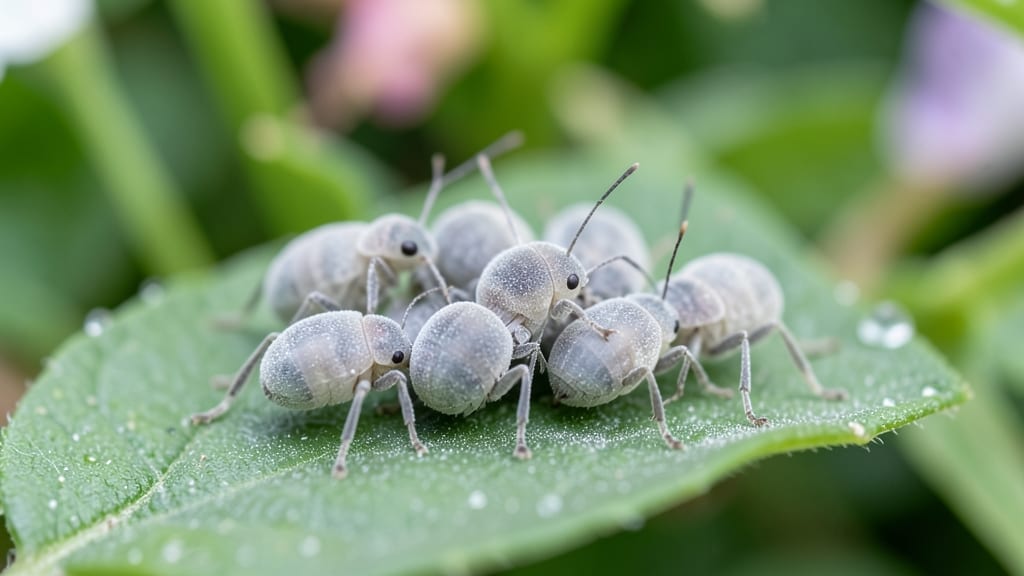
Gray bugs in your garden are more than just an annoyance—they can quickly turn your hard work into a leaf-munching disaster if you don’t act fast.
Picture this: You step outside after a rainstorm, and suddenly, your once-vibrant plants are covered in tiny gray invaders 🐜—aphids, mealybugs, or scale insects—sucking the life out of your greens. The worst part? Many gardeners don’t even realize they’ve arrived until the damage is done.
But here’s the good news: Identifying these pests fast is the first step to stopping them. In this guide, I’ll show you 5 quick tricks to spot them instantly, what damage to watch for, and the best organic solutions to kick them out for good.
No more guessing games—just clear, actionable tips to reclaim your garden before the bugs win.
5 Fast ways to identify gray bugs in your garden instantly
Spotting gray bugs in your garden is the first step toward protecting your plants—but not all gray pests look the same. Some are fuzzy, others waxy, and a few hide under leaves.
Using a magnifying glass or even your smartphone’s camera can reveal key details in seconds. The faster you identify them, the faster you can act before they destroy your hard work.
Gray bugs often include aphids, mealybugs, scale insects, fungus gnats, and even earwigs. Each has unique traits that help you choose the right treatment. Let’s break down the fastest ways to spot them without wasting time.
🔍 5 Instant ID Tricks for Gray Bugs
- 1. Check the Body Shape: Oval and flat? Likely scale insects. Round and fuzzy? Probably mealybugs.
- 2. Look for Wings: Tiny wings or wing buds? Aphids or whiteflies are likely culprits.
- 3. Inspect the Leaves: Sticky residue? Aphids or scale insects are feeding. Yellow spots? Spider mites may be present.
- 4. Use a Magnifying Glass: Zoom in on leg patterns—long legs mean earwigs, while short legs suggest mealybugs.
- 5. Check the Soil: Fungal gnats? Look for gray larvae wriggling in damp soil near plant bases.
Start by examining the underside of leaves, where many gray bugs hide. Aphids and mealybugs often cluster in groups, while scale insects attach themselves to stems. If you see white webbing, spider mites are likely the issue—though they’re usually grayish when young.
Your smartphone can be a game-changer. Take close-up photos of the bugs and compare them to online guides. Apps like iNaturalist or PictureThis can instantly identify pests based on visual traits. This method saves time and ensures you’re targeting the right treatment.
Another quick trick is to gently tap leaves over a white sheet of paper. Gray bugs will drop off, revealing their movement patterns. Mealybugs move slowly, while aphids scurry quickly. This simple test helps narrow down the pest in under a minute.
Don’t overlook the plant’s overall health. Gray bugs often leave behind clues like yellowing leaves, stunted growth, or black sooty mold (a fungus that grows on their honeydew). These signs confirm their presence even if you can’t see them yet.
If you’re still unsure, focus on the bug’s size. Tiny, almost invisible? Likely fungus gnat larvae or thrips. Larger and segmented? Earwigs or millipedes might be the culprits. Size is a crucial clue for faster identification.
Once you’ve identified the gray bugs, act fast. Some, like mealybugs, multiply rapidly, while others, like scale insects, can suffocate plants by blocking nutrients. Knowing which pest you’re dealing with ensures you use the most effective control method.
Remember, the key to stopping gray bugs is speed and accuracy. The sooner you identify them, the sooner you can protect your garden. Grab your magnifying glass, snap a few photos, and put those fast ID tricks to work!
Gray bug damage patterns: how to spot what’s eating your plants
Gray bugs may seem harmless at first glance, but they leave unmistakable signs of destruction on your plants. The key to saving your garden lies in recognizing these damage patterns early.
Whether it’s sticky residue, curled leaves, or white webbing, each type of gray bug leaves a unique fingerprint on your foliage.
If you’ve noticed yellowing leaves or honeydew buildup, you’re likely dealing with sap-sucking pests like aphids or mealybugs. These bugs thrive in clusters and can weaken plants quickly. Meanwhile, scale insects often hide under leaves, leaving behind a waxy, grayish shell that’s hard to spot without close inspection.
🔍 Comparison Table: Gray Bug Damage Patterns
| Bug Type | Damage Signs | Affected Plant Parts | Quick Fix |
|---|---|---|---|
| Aphids | Sticky residue, curled leaves, black sooty mold | New growth, undersides of leaves | Spray with soapy water |
| Mealybugs | White cottony masses, yellowing leaves | Leaf axils, stems, buds | Wipe off with alcohol-soaked cotton |
| Scale Insects | Waxy shells, stunted growth, wilting | Stems, branches, leaves | Scrape off with a knife |
| Spider Mites | Fine webbing, speckled leaves, yellowing | Undersides of leaves, entire plant | Blast with water, use neem oil |
One of the most tell-tale signs of gray bug infestation is white webbing, often a sign of spider mites or whiteflies. These pests create intricate webs between leaves, trapping moisture and encouraging fungal growth.
If you see tiny specks moving across your plants, it’s time to act fast—these bugs multiply quickly in warm, dry conditions.
Wilting or crispy leaves can also indicate an infestation, especially if the damage appears suddenly. Fungus gnats, for instance, lay eggs in moist soil, and their larvae feed on plant roots, causing stunted growth and yellowing foliage.
Always check the soil surface and roots if your plants seem unhealthy.
Don’t wait until the damage spreads! Early detection is your best defense. Inspect plants regularly, especially the undersides of leaves and leaf axils, where pests love to hide. A simple magnifying glass or even your smartphone’s camera can help you spot these tiny invaders before they take over.
Once you’ve identified the culprit, take action with targeted treatments. For example, aphids respond well to a spray of soapy water, while scale insects may need manual removal. The sooner you act, the healthier your plants—and your garden—will stay.