
Planting
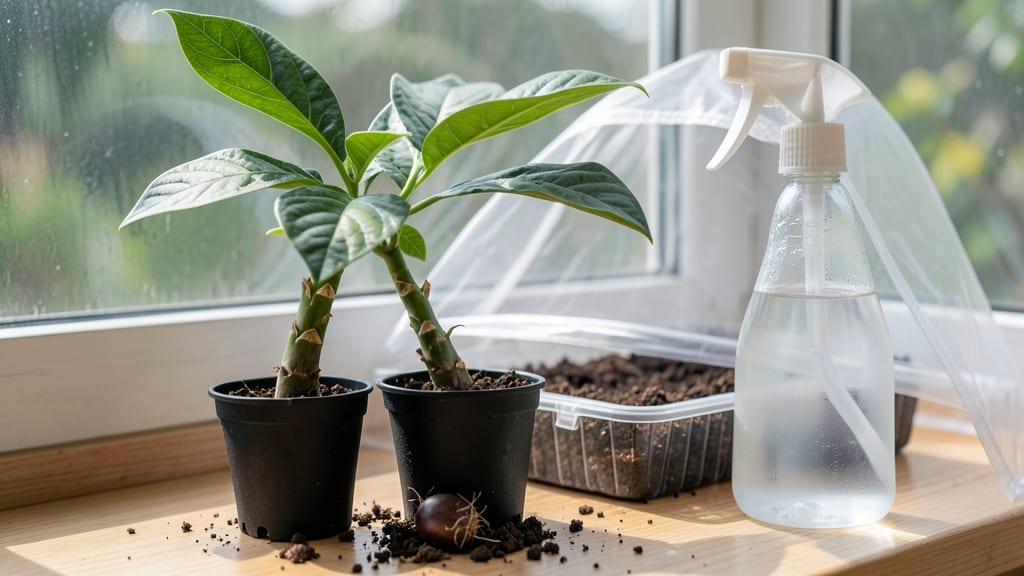
Growing a garden banana from seed 🍌 is a rewarding long-term project that turns your backyard into a mini tropical paradise.
Picture this: you plant a single seed in spring, nurture it through the seasons, and—with patience—watch it grow into a towering tree bearing sweet, homegrown bananas. But here’s the catch: banana seeds take years to fruit, and early growth can be slow.
The key is starting right with the right soil, warmth, and care.
Many gardeners rush the process, overwatering or moving seedlings too soon, only to see them struggle. I’ve learned the hard way that banana plants need consistent warmth, high humidity, and plenty of sunlight to thrive.
Skip these steps, and you might end up with a leggy, weak plant that never matures.
In this guide, I’ll walk you through every stage—from germinating those tiny seeds indoors to transplanting seedlings outdoors and keeping them healthy until they’re ready to produce fruit. By the end, you’ll know exactly how to set your banana tree up for success, even if you’re a beginner.


How to successfully germinate garden banana seeds indoors
Growing a garden banana from seed is one of the most rewarding tropical gardening projects you can take on. The key to success starts with proper indoor germination, where warm, humid conditions mimic the banana's native habitat.
Unlike many plants, banana seeds require patience—it can take 3-6 months to see your first sprouts—but the journey is worth it for that first glimpse of a banana seedling pushing through the soil.
Before you begin, gather your supplies: banana seeds (saved from organic bananas), a shallow container with drainage holes, a well-draining potting mix, and a heat mat or warm location. The right setup prevents common issues like rot or mold, which can kill seeds before they even sprout.
Let’s break down the process into clear, actionable steps to maximize your chances of success.
Step-by-Step Guide to Germinating Banana Seeds
- 1 Prepare Your Seeds: Remove seeds from a ripe, organic banana. Rinse them gently to remove pulp, then soak in lukewarm water for 24 hours to soften the outer shell. This step speeds up germination by breaking down natural barriers.
- 2 Choose the Right Container: Use a shallow tray or small pots with drainage holes. Fill with a mix of 50% peat moss and 50% perlite to ensure aeration and prevent waterlogging. Sterilize the mix by baking it at 200°F for 30 minutes to kill pathogens.
- 3 Plant the Seeds: Place 1-2 seeds per pot, ½ inch deep, with the pointed end facing up. Space them 2 inches apart to avoid overcrowding. Gently press the soil around them to ensure good contact.
- 4 Create a Humid Environment: Cover the container with plastic wrap or a humidity dome to retain moisture. Place it in a warm location (75-85°F), like on top of a refrigerator or near a heat mat. Use a spray bottle to mist the soil lightly every 2-3 days, keeping it consistently moist but not soggy.
- 5 Monitor for Sprouts: Check daily for signs of germination, which can take 4-12 weeks. You’ll see a small white root emerge first, followed by a shoot. Once sprouts appear, remove the plastic wrap to prevent mold and place the container under grow lights for 12-14 hours daily.
- 6 Thin Seedlings: If multiple seeds sprout in one pot, thin to the strongest seedling to avoid competition. Use sterilized scissors to snip weaker sprouts at soil level, leaving the healthiest one to grow.
Patience is critical during germination. If you don’t see sprouts within 3 months, the seeds may need to be replaced or replanted. Some gardeners swear by scarifying the seeds—lightly sanding the outer shell with fine-grit sandpaper—to help break dormancy. Just be gentle to avoid damaging the seed.
Once your banana seedlings reach 6 inches tall, they’ll need more space and stronger light. Transition them to a larger pot with nutrient-rich soil and gradually introduce them to outdoor conditions.
Harden off seedlings by placing them outside for a few hours daily, increasing exposure over 1-2 weeks to prevent shock.
Troubleshooting is part of the process. If your seeds rot or develop mold, reduce watering and improve airflow. Yellowing leaves? Your seedling may need more light or nutrients. Adjust care based on what you observe, and don’t hesitate to ask for advice in gardening forums—we’ve all been there!
With the right conditions, your banana seedling will grow into a robust plant ready for outdoor planting in 6-12 months. The journey from seed to sapling is just the beginning—soon, you’ll be dreaming of harvesting your own tropical fruit! 🌱
Tropical care requirements for garden banana seedlings
Once your garden banana seeds sprout indoors, transitioning them to outdoor conditions requires careful attention to their tropical care needs. These seedlings thrive in warm, humid environments that mimic their native habitats.
Without the right balance of sunlight, moisture, and soil conditions, your young plants may struggle or even perish before reaching maturity.
I’ve learned from experience that banana seedlings need consistent warmth and high humidity to grow strong roots and lush foliage. Even a slight drop in temperature or dry air can stunt their growth, so creating the ideal microclimate is key.
Let’s break down the essentials to keep your seedlings thriving as they prepare for permanent outdoor planting.
For sunlight exposure, I recommend gradually introducing seedlings to direct sunlight over 1-2 weeks to prevent leaf burn. Start with 3-4 hours of morning sun and slowly increase their exposure as they acclimate. A south-facing window or a shaded outdoor spot works well during the transition phase.
Maintaining high humidity levels is crucial, especially if you’re in a dry climate. I’ve had great success using a simple pebble tray filled with water and placed under the seedling tray.
Alternatively, group seedlings together to create a microclimate that retains moisture. A daily misting in the morning also helps mimic tropical conditions.
When it comes to watering schedules, banana seedlings prefer consistently moist soil but hate soggy roots. I water mine when the top inch of soil feels dry, typically every 2-3 days depending on your climate.
Always water at the base to keep foliage dry, reducing the risk of fungal diseases like leaf spot.
Your soil mix should be lightweight yet nutrient-rich. I blend equal parts potting soil, coconut coir, and perlite for optimal drainage and aeration. Avoid heavy clay soils that can suffocate young roots. Adding a handful of worm castings provides essential nutrients without overwhelming tender seedlings.
Finally, monitor your seedlings for signs of stress like yellowing leaves or slow growth—these often indicate incorrect care. With the right balance of sunlight, humidity, and moisture, your garden banana seedlings will grow into robust plants ready for permanent outdoor planting in just a few months. 🌱