
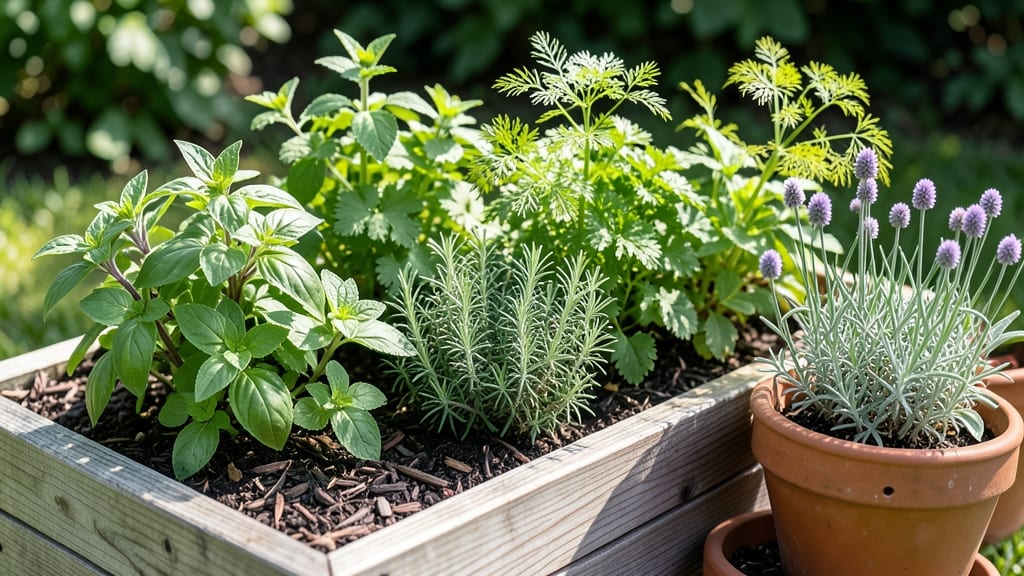
How to plant and maintain herbs for maximum harvests
Growing herbs isn't just about tossing seeds into the dirt—it's about creating the perfect conditions for them to thrive. Whether you're growing basil for pesto or mint to repel pests, these plants need specific care to reward you with abundant harvests.
Start with well-draining soil enriched with compost, as herbs hate soggy roots. Most herbs prefer slightly acidic to neutral soil (pH 6.0-7.0), so test your soil before planting. This small step makes a big difference in growth speed and flavor intensity.
Next, choose a sunny spot—6-8 hours of direct sunlight is ideal for most herbs. If your garden lacks full sun, consider container gardening near a south-facing window. Herbs like rosemary and thyme are more drought-tolerant, while cilantro and parsley may bolt in intense heat.
Understanding these needs helps you select the best location for each variety. Even a small balcony can become a herb haven with the right setup.
⚠️ Common Mistake: Overcrowding Herbs
Herbs need proper spacing to grow strong and avoid disease. Basil and cilantro should be spaced 10-12 inches apart, while thyme and oregano can handle 6-8 inches. Crowding leads to poor airflow, inviting fungal infections like powdery mildew. Always check seed packets for spacing guidelines—this small detail prevents future headaches.
Watering herbs is an art, not a science. Most herbs prefer consistent moisture but despise soggy soil. Water in the morning to reduce evaporation and fungal risks. Aim for 1 inch of water per week, adjusting for rain.
Drip irrigation or soaker hoses work best, delivering water directly to the roots. Avoid overhead sprinklers, which can damage leaves and spread disease. Rosemary and lavender are exceptions—they thrive with less water, so don't drown them!
Pruning is the secret to keeping herbs productive. Regularly trim woody stems to encourage bushier growth, and harvest leaves from the top of the plant to stimulate new growth. For basil, pinch off flowers to prevent bolting. Use clean, sharp scissors to avoid damaging the plant.
Prune in the morning when the oils in the leaves are at their peak, ensuring the best flavor and aroma. This simple habit extends your harvest season and keeps plants looking tidy.
Fertilizing herbs is optional but can boost growth. Use a balanced, organic fertilizer (like 5-10-10) every 4-6 weeks during the growing season. Over-fertilizing leads to lush foliage but weak flavor. Herbs like parsley and cilantro don't need much, while heavy feeders like mint appreciate a little extra.
Always water before fertilizing to prevent root burn. Mulch around the base with straw or wood chips to retain moisture and suppress weeds.
Seasonal care keeps herbs thriving year-round. In spring, remove dead foliage and add compost. In summer, watch for pests like aphids and spider mites—spray with neem oil if needed. As fall approaches, harvest herbs before the first frost, and bring tender varieties like basil indoors for winter growing.
With these tips, your herb garden will stay vibrant and productive, giving you fresh flavors for months to come. 🌿
★★★★★4.6(13 reviews)
|