
How To
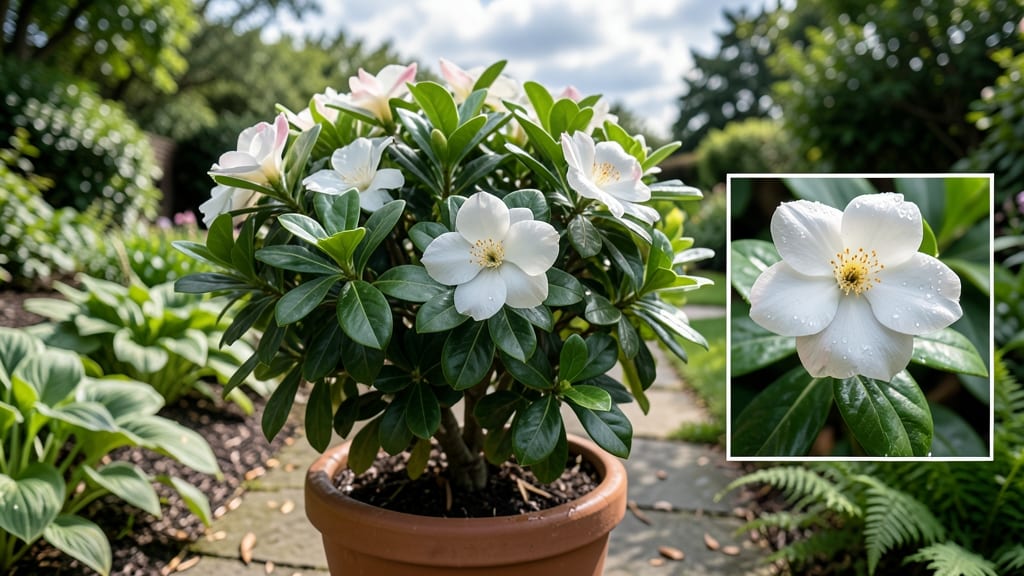
Gardenia plants grow to a mature height of 3 to 6 feet and spread 3 to 5 feet wide, depending on the variety and growing conditions.
If you’re dreaming of fragrant blooms but wondering whether gardenias will overwhelm your yard—or fit perfectly in a container—knowing their mature size is key.
Most gardenias, like the classic Gardenia jasminoides 🌸, grow as medium-sized shrubs, making them ideal for borders, foundation plantings, or large containers. Dwarf varieties, however, stay compact at just 2 to 3 feet, perfect for small gardens or patio pots.
Below, I’ll break down exact height ranges by variety, how to control growth for smaller spaces, and the best pruning tips to keep your gardenia thriving without taking over.
Gardenia size by variety: height and spread at maturity
Choosing the right gardenia variety starts with understanding their mature size. Whether you’re planning a backyard garden, a container arrangement, or a fragrant hedge, knowing how big gardenias get helps you pick the perfect fit.
Some varieties stay compact, while others grow into small trees—each with its own charm and care needs.
Gardenias generally fall into three growth categories: dwarf shrubs (1–3 feet), medium shrubs (3–6 feet), and climbing or sprawling types (up to 15 feet). Their spread can range from 2 feet for compact varieties to 10+ feet for vigorous growers.
Let’s break down the most popular types and their mature dimensions.
| Variety | Mature Height | Mature Spread | Growth Habit | Best For |
|---|---|---|---|---|
| Gardenia jasminoides | 3–6 ft | 3–5 ft | Upright shrub | Borders, hedges, containers |
| Gardenia augusta ‘Radicans’ | 1–3 ft | 2–4 ft | Trailing or climbing | Containers, trellises, small gardens |
| Gardenia augusta | 6–12 ft | 5–10 ft | Small tree or shrub | Specimen plant, large gardens |
| Gardenia radicans | 1–5 ft | 3–6 ft | Trailing or sprawling | Ground cover, containers, slopes |
| Gardenia ‘Kleim’s Hardy’ | 4–6 ft | 4–5 ft | Bushy shrub | Cold-hardy gardens, hedges |
The Gardenia jasminoides, often called the common gardenia, is the most popular choice for home gardens. Its 3–6 foot height and 3–5 foot spread make it versatile for borders, hedges, or even large containers.
If you love its fragrance but need something smaller, the ‘Radicans’ variety is a game-changer—it thrives as a trailing plant in hanging baskets or along trellises.
For dramatic impact, Gardenia augusta grows into a small tree, reaching 6–12 feet tall with a 5–10 foot spread. This variety is perfect for tropical landscapes or as a focal point in large yards.
Its glossy leaves and massive blooms add a luxurious touch, but it requires ample space to flourish without becoming overcrowded.
If you’re working with limited space, Gardenia radicans is a fantastic option. Its trailing habit lets it spread 3–6 feet wide while staying low—ideal for ground covers, slopes, or cascading over container edges. Pruning it lightly encourages denser growth and more blooms, making it a low-maintenance choice.
When planning your garden, consider not just the height but also the spread of each variety. A 6-foot-tall gardenia with a 5-foot spread will need at least 10 feet of space to avoid overcrowding nearby plants.
For containers, opt for dwarf varieties like ‘Radicans’ and use a 15–20 gallon pot to accommodate their root systems.
One common misconception is that all gardenias grow into large shrubs. In reality, many varieties—like ‘Radicans’ or ‘Kleim’s Hardy’—stay compact if pruned regularly. I’ve seen ‘Radicans’ thrive in 5-gallon containers for years, producing fragrant blooms without ever needing to be transplanted.
The key is choosing the right variety for your space and giving it the care it needs to stay proportional.
For cold-hardy gardeners, Gardenia ‘Kleim’s Hardy’ is a standout. It reaches 4–6 feet tall and handles temperatures down to 15°F, making it ideal for USDA zones 7–10. Its bushy growth habit and abundant blooms make it a favorite for northern climates where other gardenias might struggle.
No matter which variety you choose, remember that proper pruning and spacious planting
How to control Gardenia growth for small spaces or containers
Even though gardenias can reach 6 feet tall in ideal conditions, you can absolutely keep them compact—especially in containers or small yards. The secret lies in choosing the right dwarf varieties and mastering pruning techniques that encourage bushier, controlled growth.
I’ve learned that Gardenia augusta ‘Radicans’ stays under 3 feet tall while still producing those iconic fragrant blooms, making it perfect for patios or balconies.
For larger varieties like Gardenia jasminoides, regular pruning after blooming helps maintain a manageable size. The key is to trim back one-third of the oldest growth each year while shaping the plant to avoid leggy stems.
This approach keeps your gardenia 3–4 feet tall instead of letting it sprawl uncontrollably. I’ve also found that container gardening forces gardenias to stay compact—just choose a pot at least 18 inches wide with drainage holes.
- Start with dwarf varieties: Gardenia augusta ‘Radicans’ (2–3 ft) or Gardenia jasminoides ‘Kleim’s Hardy’ (3–4 ft).
- Prune immediately after blooming: Cut back 1/3 of oldest stems to encourage new growth and a fuller shape.
- Use containers with depth: 18–24 inch pots with well-draining soil and acidic pH (5.0–6.0).
- Fertilize lightly: Balanced 10-10-10 every 6 weeks during spring/summer to avoid leggy growth.
- Pinch back new growth: In early summer, trim tips of soft new shoots to promote bushiness.
- Repot every 2–3 years: Refresh soil and upgrade pot size by 2 inches to prevent root-bound stress.
Seasonal care makes all the difference in keeping gardenias small and healthy. In spring, I focus on light fertilization and pruning to shape the plant before new growth starts. During summer, I monitor watering closely—overwatering causes root rot, which stunts growth.
In fall, I reduce watering and fertilizing to prepare for dormancy, while winter care involves keeping the plant in a cool, shaded spot if temperatures drop below 40°F.
One of my biggest mistakes was letting a gardenia grow unchecked in a 5-gallon pot—it quickly became root-bound and leggy. The fix? I repotted it into a 15-gallon container with fresh peat-based soil and pruned back half the height.
Within a month, it had new compact growth and bloomed just as heavily. This taught me that container size matters—always leave room for roots to spread without crowding.
For balcony or patio gardening, I recommend hanging baskets for trailing varieties like Gardenia radicans, which can spill beautifully over edges while staying under 3 feet tall. Just ensure the basket has good drainage and you water consistently—gardenias in containers dry out faster.
I also add a slow-release fertilizer at planting time to give them a steady nutrient supply without the risk of overfeeding.
With these techniques, you can enjoy fragrant gardenias in even the smallest spaces—whether it’s a windowsill planter or a courtyard container. The key is consistent care, smart pruning, and choosing the right variety for your space. Happy gardening! 🌿