
How To
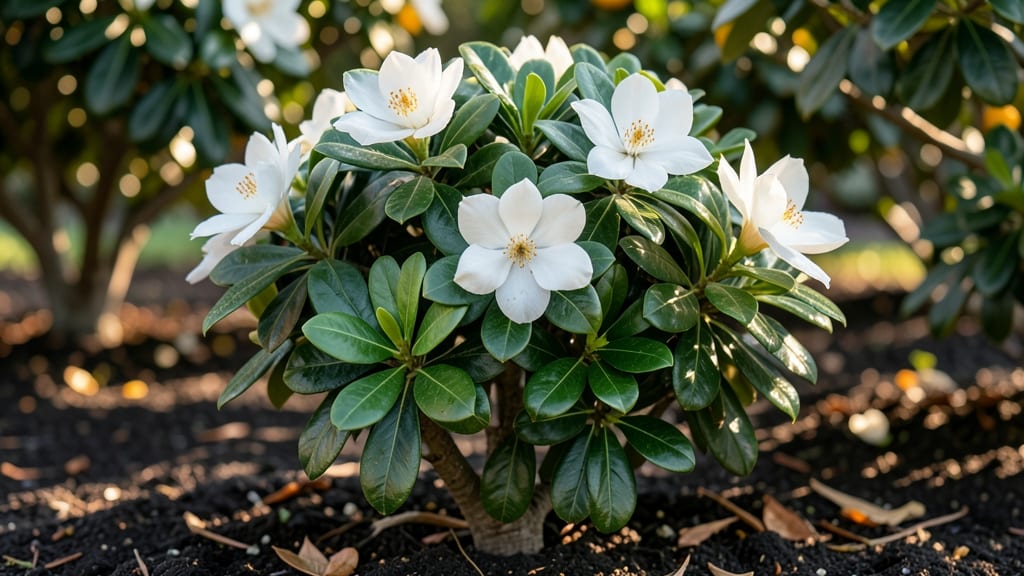
How tall gardenia grow at maturity can vary dramatically, with most reaching heights between 3 and 6 feet, though some stay compact while others grow into small trees.
If you’re dreaming of fragrant blooms and lush foliage, gardenias are a top choice—but their growth habits can vary wildly depending on the variety.
From dwarf shrubs under 3 feet to towering specimens over 6 feet, knowing how tall gardenia grow helps you plan your garden layout and care routine perfectly.
The key to controlling their height lies in pruning, sunlight, and soil conditions. Too much shade or over-pruning can stunt growth, while poor drainage or harsh afternoon sun may stress the plant, slowing its upward progress.
With the right balance, you can encourage healthy growth while keeping your gardenia at your desired height.
In this guide, I’ll break down the height ranges of popular gardenia varieties, share pruning tips to maintain compact growth, and explain how sunlight and soil affect their size.
Whether you’re working with a dwarf variety or a standard shrub, you’ll learn how to keep your gardenia thriving at the perfect height for your space.


Gardenia height by variety: from dwarf to giant species
If you love the intoxicating scent of gardenias but worry about their size, don’t fret—these beauties come in every shape and stature! The height of gardenia plants varies dramatically by variety, from dwarf shrubs under 3 feet to tree-like giants reaching 10+ feet.
Knowing these differences helps you choose the perfect plant for your space, whether it’s a cozy patio or a sprawling backyard.
Most gardenias grow at a steady 12–24 inches per year, but their mature height depends entirely on the cultivar. For example, the 'Radicans' variety stays compact, while 'Veitchii' can soar like a small tree.
Let’s explore the full range so you can pick the perfect fit for your garden design and care routine.
Dwarf gardenias like 'Radicans' and 'Mystery' are perfect for containers or small gardens. Their slow growth makes them ideal for balconies and window boxes, where space is limited but fragrance is prized.
Plant these 18–24 inches apart to avoid overcrowding, and they’ll thrive in pots for years with minimal pruning.
Standard varieties such as 'Kleimschmidtiana' and 'Fortuniana' strike a balance, reaching 3–6 feet tall. These are my go-to choices for foundation plantings or mixed borders, where they add height and structure without overwhelming the space. Space them 3–5 feet apart to allow airflow and prevent disease.
If you’re dreaming of a tropical garden focal point, 'Veitchii' is the queen of gardenias. This variety can grow 10+ feet tall and needs ample room to spread its branches.
Plant it 8–10 feet away from other plants and near a support stake or trellis if needed to handle its weight.
One key factor influencing height is pruning frequency. Regular pruning can keep even tall varieties like 'Veitchii' more manageable, while neglect can lead to leggy, unruly growth. I recommend pruning after flowering to shape the plant and encourage bushiness, especially for varieties prone to tall, sparse growth.
For optimal height control, pay attention to sunlight and soil. Gardenias thrive in partial shade (4–6 hours of morning sun), which slows rapid vertical growth. If you notice your plant stretching toward light, it’s a sign it needs more shade or less direct sun.
Well-draining, acidic soil (pH 5.0–6.5) also supports healthy, compact growth.
Pro tip: If you’re growing gardenias in containers, choose dwarf varieties or prune regularly to prevent root-bound stress. Container gardenias often grow 1–2 feet shorter than their in-ground counterparts due to limited root space. Use a large pot (15+ gallons) and refresh the soil annually for best results.
Ready to pick your perfect gardenia? Consider your space, sunlight, and how much maintenance you’re willing to invest. Whether you crave a tiny patio shrub or a towering tropical statement, there’s a gardenia variety
How to control gardenia height: pruning & training tips
Gardenias are stunning plants with heavily fragrant blooms, but their height can become unruly if left unchecked. Whether you're dealing with a 3-foot dwarf variety or a 6-foot standard shrub, learning how to control gardenia height will keep your plants looking polished and intentional.
The key lies in strategic pruning techniques and proper training methods to encourage compact, bushy growth.
Many gardeners struggle with leggy gardenias that stretch toward the light, losing their dense, shrubby form. This often happens when plants receive too much shade or inconsistent sunlight.
By mastering the right timing for pruning and providing the right support, you can maintain your gardenia's ideal height while maximizing its blooming potential. Let’s explore the best ways to keep your gardenia at your desired height.
Watch Out for Over-Pruning! Gardenias grow best when pruned after flowering (late summer/early fall). Pruning too early or too late can stimulate weak growth or reduce blooms next season. Avoid cutting back more than 1/3 of the plant in a single session to prevent stress.
Start by pruning for shape rather than just height. Use clean, sharp bypass pruners to make cuts just above a leaf node or bud. This encourages new growth in the right direction. For compact gardenias, focus on trimming the outermost branches to promote bushier growth from the center.
If your gardenia is too tall, gradually reduce its height by 1-2 feet per year to avoid shocking the plant.
Staking is another effective way to control gardenia height, especially for young plants or those in windy locations. Use 3-foot bamboo stakes or metal plant supports inserted gently into the soil near the plant.
Secure the main stem with soft plant ties or fabric strips, guiding it upward while allowing natural flexibility. This method helps train gardenias to grow vertically without becoming top-heavy or flopping over.
Seasonal care plays a crucial role in managing gardenia height. In spring, apply a balanced fertilizer (like 10-10-10) to encourage healthy foliage growth. During summer, reduce fertilization slightly to prevent excessive leafy growth at the expense of blooms.
In fall, prune lightly to remove dead or overgrown branches, and in winter, avoid pruning entirely—let the plant rest.
One common mistake is pruning at the wrong time, such as cutting back gardenias in early spring before they’ve finished blooming. This can lead to a delayed or sparse flowering season. Another pitfall is overwatering, which causes leggy growth as the plant stretches for light.
Always water deeply but allow the top inch of soil to dry between waterings to maintain a healthy root system.
With consistent pruning and training, your gardenia will stay at an ideal height while producing abundant, fragrant blooms. Whether you prefer a low-growing hedge or a taller specimen plant, these techniques will help you achieve the perfect gardenia size for your space. Happy gardening! 🌿✂️