
How To
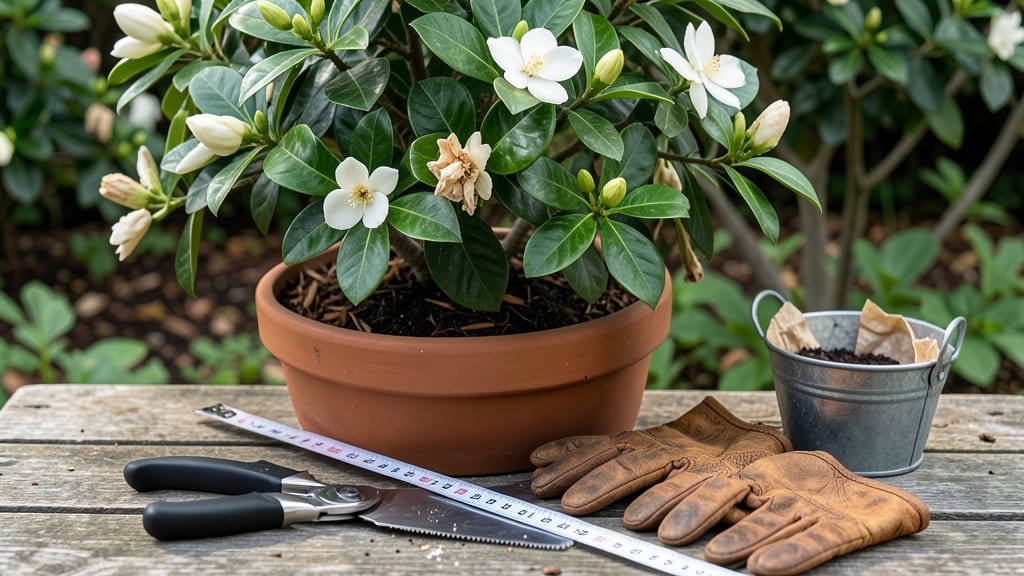
You can safely cut back gardenias by up to one-third of their height each year—any more risks stunting next season’s fragrant blooms and weakening the plant’s structure.
Struggling to keep your gardenias blooming year after year? The secret often lies in proper pruning—but cutting too much (or too little) can stifle next season’s flowers. Learn the exact pruning rules to revive your gardenias without sacrificing their health or future blooms.
Most gardenia owners make one of two mistakes: either they prune too late in the season, missing the ideal window, or they cut back too aggressively, leaving the plant stressed and bare.
The key is timing—wait until after the first frost or right after flowering to shape your 🌸 gardenias without harming new growth.
In this guide, I’ll walk you through the exact pruning limits, the best tools to use, and how to spot over-pruned damage. You’ll also discover how to encourage bushier growth for more blooms next season—and avoid the common pitfalls that leave gardenias looking ragged.
Safe pruning limits for gardenias: how far you can trim without harm
When it comes to pruning gardenias, most gardeners know they need to trim—but many don’t realize there’s a strict one-third rule.
Cutting back more than 1/3 of the plant’s foliage at once can shock your gardenia, reducing next year’s bloom production or even stressing the shrub to the point of decline. The key is balancing rejuvenation with plant health, and timing matters just as much as technique.
Gardenias bloom on new wood, meaning their flowers develop on current season’s growth. If you prune too aggressively, you risk removing next year’s buds and flowers before they form. Even healthy gardenias can’t recover from drastic cuts—so think of pruning as a gradual reshaping rather than a drastic overhaul.
The goal is to encourage denser growth and more blooms, not to strip the plant bare.
Seasonal timing is critical. The best time to prune gardenias is right after they finish blooming in late spring or early summer. This allows the plant to recover and set new buds for next year.
Avoid pruning in fall or winter, as this can leave the plant vulnerable to cold damage or fungal infections. Even light pruning during dormancy can disrupt the plant’s natural cycle.
| Pruning Scenario | Safe Cut Percentage | Branch Thickness Limit | Season to Prune |
|---|---|---|---|
| Light Maintenance | Up to 10% | Thin stems only | Year-round (avoid winter) |
| Rejuvenation Pruning | Up to 25% | Medium stems (¼ inch) | Late spring/early summer |
| Aggressive Pruning (Risky) | Up to 33% (max) | Thick stems (½ inch) | Early spring (only if necessary) |
| ⚠️ Never Exceed | 33% of foliage | Any stem thicker than ½ inch | Fall or winter |
Branch thickness plays a surprising role in pruning safety. Thicker branches contain more vascular tissue, meaning cutting them back releases more plant stress hormones. For gardenias, never prune stems thicker than ½ inch unless absolutely necessary.
Instead, focus on thinner, overcrowded branches to improve airflow and reduce disease risk. If you must prune thicker stems, do so in early spring when the plant is just waking up from dormancy.
Over-pruned gardenias show clear warning signs. Look for yellowing leaves, stunted growth, or a sudden drop in bloom production. If you’ve cut too much, the plant may also produce smaller, weaker flowers or fail to bloom at all.
To revive an over-pruned gardenia, reduce watering slightly, apply a balanced fertilizer (like 10-10-10), and avoid any further pruning for at least 6 months to let it recover.
Another critical factor is bud node location. Gardenias bloom on new growth that emerges from leaf nodes. When pruning, always cut just above a bud node at a 45-degree angle. This ensures the plant has a strong starting point for new growth.
Avoid cutting too close to a node, as this can leave a weak stub that invites disease. Use sharp, sterilized pruners to make clean cuts that heal faster.
For young gardenias (under 3 years old), pruning should be minimal—focus on removing only dead or crossing branches. Mature gardenias (3+ years) can handle slightly more aggressive shaping, but still never exceed 33% of foliage.
If your gardenia is woody and overgrown, consider gradual renewal pruning over 2-3 years, cutting back 10-15% per year to avoid shocking the plant.
Proper pruning isn’t just about cutting—it’s about encouraging future blooms. After pruning, apply a layer of mulch around the base to retain moisture and protect roots. Water deeply but avoid soaking the foliage, which can lead to fungal issues.
With the right approach, your gardenia will reward you with lush, fragrant blooms for years to come.
Remember, gardenias are delicate bloomers, and their health depends on your pruning choices. When in doubt, prune less—you can always do more next year, but you can’t undo damage from over-pruning. Happy trimming!
Step-by-step guide to pruning gardenias for maximum blooms next season
Pruning your gardenias isn’t just about shaping—it’s about encouraging healthier blooms and preventing disease. The key is timing and technique. Start by pruning right after the spring blooming season (typically late May to early June in most climates). This gives your plant time to recover before summer heat sets in.
Use sharp, sterilized pruners to make clean cuts at a 45-degree angle, just above a leaf node. Avoid cutting into old wood, as gardenias struggle to regrow from these areas. Always sterilize your tools with rubbing alcohol between cuts to prevent bacterial spread.
Step-by-Step Pruning Guide for Gardenias
- 1
- 2
- 3
- 4
- 5
Cut back any brown, brittle branches or those with black spots (fungal signs) all the way to the base. This improves airflow and reduces disease risk.
Look for crossing or rubbing branches. Remove 1/3 of the oldest growth to open the center. Never trim more than 30% of the plant in one season.
Trim overly long branches to create an open, rounded shape. Aim for 6-8 inches between branches to prevent humidity buildup (a fungal magnet).
Cut back last year’s bloom stems to just above the first set of leaves. This encourages new growth and next season’s flowers from lower buds.
Apply a balanced fertilizer (10-10-10) 2 weeks post-pruning. Water deeply to help roots recover and support new growth for next year’s blooms.
After pruning, monitor your gardenia for new shoots emerging from the base or along branches. These are signs of healthy regrowth. If you notice yellowing leaves or stunted growth, you may have pruned too aggressively—reduce cuts next time.
For overgrown gardenias, spread pruning over 2-3 years to avoid shock. Never prune in winter (dormant season) or during summer blooming, as this stresses the plant. With the right cuts, your gardenia will reward you with even more fragrant blooms next season!
Pro tip: Take before-and-after photos to track your pruning progress. Over time, you’ll learn which cuts promote the most vigorous blooming for your specific gardenia variety.