
Landscaping
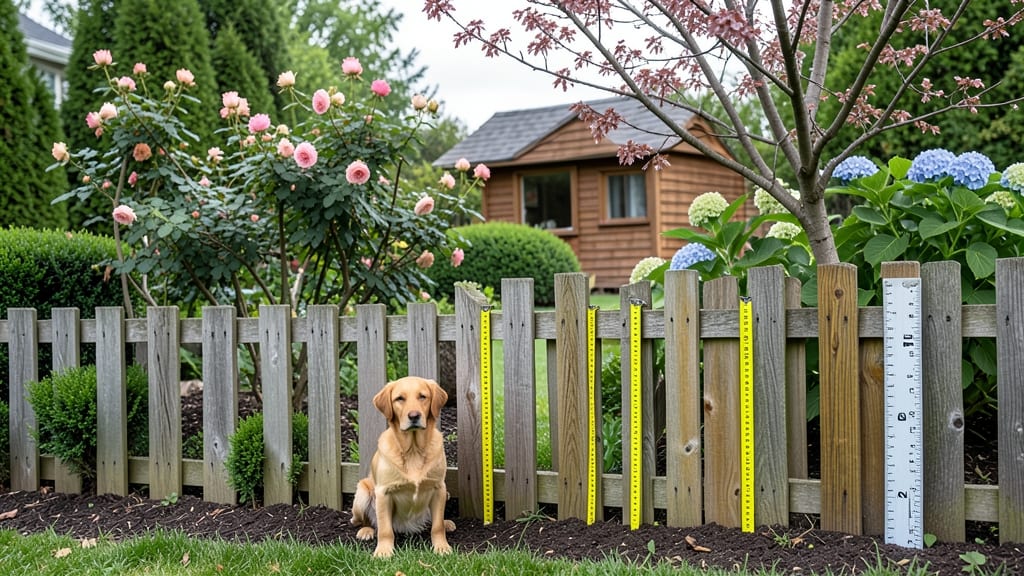
Determining how high a garden fence should be depends on balancing 4 to 6 feet for privacy, local codes, and wind resistance while keeping costs reasonable. Always verify zoning laws, as some areas cap heights for safety or neighborhood aesthetics.
Most homeowners aim for 5 to 6 feet when privacy is the priority, especially for backyard spaces or pet enclosures. 🌳 The extra height blocks line-of-sight better while still complying with many suburban regulations.
However, if your property faces strong winds, a 4-foot fence might be safer—it reduces sway and structural stress without sacrificing too much coverage.
I’ve seen wood fences perform best in windy areas due to their natural flexibility, while vinyl holds up well in extreme heat but can crack if bent too far.
Local rules often dictate the minimum height—some rural areas allow just 3 to 4 feet for decorative purposes, while urban zones might require 6 feet for noise reduction. Always check with your city’s planning department before installing, as permits can be denied if you exceed the limit.
For example, Los Angeles typically allows 6 feet for privacy fences, but Houston may restrict you to 4 feet in certain districts.
💡 In This Article
- Local Fence Height Regulations by Region
- Best Garden Fence Heights for Privacy and Wind Resistance
Best garden fence heights for privacy and wind resistance
When selecting a fence height, the primary goal is balancing privacy with structural integrity. A 6-foot fence offers maximum coverage, blocking views from neighbors while creating a defined boundary for gardens or pet areas.
However, this height can become a wind load issue in exposed locations—studies show that wind pressure increases exponentially with height, meaning a 6-foot fence in a 30 mph wind zone experiences nearly 50% more force than a 4-foot fence. 🌬️ For coastal or open areas, I recommend 4 to 5 feet with solid panels (like cedar or composite) to maintain privacy without excessive sway.
The material choice directly impacts how well a fence handles wind and weather. Wood fences, especially cedar or redwood, flex naturally and can withstand 60-70 mph gusts if properly installed with 4x4 posts every 6-8 feet.
Vinyl fences, while rigid, may crack under extreme bending, so they’re better suited for 4-foot heights in windy climates. Metal fences offer superior strength but can create wind tunnels—adding lattice or slats reduces airflow while maintaining visibility.
For vegetable gardens, a 4-foot height is often ideal, as it deters rabbits and deer without obstructing sunlight for plants.
Privacy needs also dictate height—if your goal is to block line-of-sight from adjacent properties, 5 to 6 feet is ideal, but this requires deeper post holes (30-36 inches deep) for stability.
A 4-foot fence works well for pet enclosures or decorative borders, but it leaves more exposure to prying eyes. Pro tip: Adding privacy slats or lattice panels to a shorter fence can create the same visual barrier without the height restrictions.
For example, a 4-foot wood fence with 2 feet of lattice achieves 6 feet of effective privacy while staying compliant in many areas.
Wind resistance isn’t just about height—it’s about design. Fences with vertical slats spaced more than 1 inch apart create drag, increasing wind load by up to 30%. Solid panels or horizontal slats perform better in windy conditions. In high-wind zones, consider angled braces or diagonal supports to reduce torque.
For example, a 5-foot fence in Florida’s coastal areas should have diagonal braces every 4 feet to prevent leaning. Always check your local building code’s wind load ratings—some areas require engineered wood or metal posts for heights over 5 feet.
Another factor is the fence’s purpose. A 6-foot fence around a pool must comply with safety codes (often requiring 4-foot minimum with self-closing gates), while a 4-foot fence may suffice for a flower bed.
For mixed-use spaces, like a garden with a seating area, a 5-foot fence with alternating solid and lattice sections offers flexibility. This design keeps costs lower than a full-height solid fence while maintaining privacy and wind resistance.
Always measure your property’s wind exposure—trees and buildings can create microclimates where wind speeds vary by 20% or more.
Finally, consider long-term maintenance. Taller fences require more frequent staining or sealing (every 2-3 years for wood) to prevent rot or warping. Vinyl fences, while low-maintenance, may need annual cleaning to remove mildew in humid climates.
If you’re unsure about height, start with a 5-foot fence—it’s a sweet spot for privacy, wind resistance, and compliance in most suburban areas. For rural properties, 4 feet is often sufficient, while urban backyards may benefit from 6 feet for noise reduction and security.