
Light Requirements
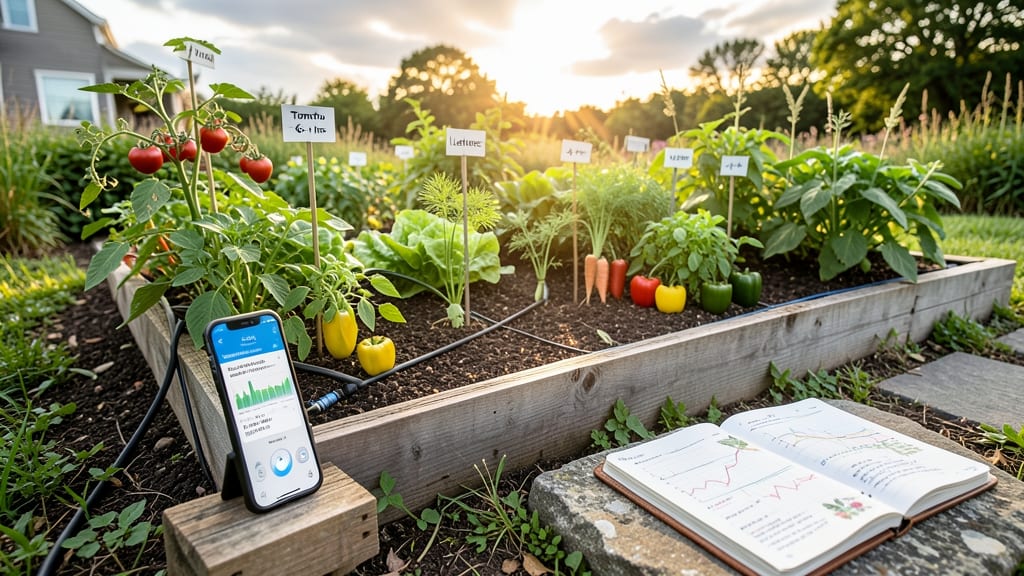
A vegetable garden needs 6 to 8 hours of sunlight daily to thrive, but the exact amount depends on what you're growing—tomatoes demand full sun, while leafy greens can handle partial shade.
Struggling to decide where to plant your tomatoes or lettuce?
The wrong amount of sunlight can mean the difference between a thriving harvest and wasted effort. 🥕 Whether you're working with a sunny backyard in USDA Zone 6a or a small balcony garden, understanding these needs is the first step to a productive spring garden.
Most vegetables crave full sun, but some—like spinach or kale—can tolerate 3 to 6 hours of light. The key is matching your crops to their ideal exposure, whether you're planting in spring after the last frost or extending the season into fall.
In this guide, I’ll break down the exact sunlight hours for your favorite crops, share tips for maximizing light in tight spaces, and help you troubleshoot common mistakes that leave plants struggling.


Sunlight requirements for vegetable gardens: full sun vs partial shade explained
Understanding sunlight requirements is the foundation of a successful vegetable garden. Too little sun and your plants struggle to grow, while too much can scorch delicate leaves. The key lies in matching each plant to its ideal sunlight exposure, measured in daily hours of direct sunlight.
For most vegetables, this means navigating between full sun, partial shade, and full shade categories—each with distinct impacts on plant health and productivity.
Scientifically, sunlight drives photosynthesis, the process where plants convert light energy into sugars for growth. Vegetables like tomatoes and peppers require 6+ hours of full sun daily to produce abundant fruit, while leafy greens often thrive in 3-6 hours of partial shade.
Even root vegetables have preferences—carrots and beets prefer full sun, but their greens tolerate partial shade. Let’s break down these categories to help you optimize your garden layout.
| Sunlight Category | Hours of Sunlight | Ideal Vegetables | Growth Impact |
|---|---|---|---|
| Full Sun | 6+ hours | Tomatoes, Peppers, Corn, Cucumbers, Eggplants | Maximizes fruit production, strong stems, vibrant foliage |
| Partial Shade | 3-6 hours | Lettuce, Spinach, Kale, Swiss Chard, Radishes, Green Onions | Prevents bolting, retains moisture, tender leaves |
| Full Shade | <3 hours | Parsley, Cilantro, Some Herbs (e.g., Mint), Microgreens | Slows growth, may reduce yield, best for cool climates |
Full sun (6+ hours) is non-negotiable for heat-loving vegetables like tomatoes and peppers. These plants rely on intense sunlight to develop flavorful fruits and robust structures. Without enough light, their growth stalls, and yields drop dramatically. For example, tomatoes exposed to less than 6 hours of sun may produce smaller, less flavorful fruit. Meanwhile, partial shade (3-6 hours) suits leafy greens, which prioritize tender leaves over heavy fruiting.
Partial shade isn’t just about limiting sunlight—it’s about temperature control. Leafy greens like lettuce and spinach bolt (prematurely flower) when exposed to too much heat, even if sunlight is adequate. By providing 3-6 hours of morning sun and afternoon shade, you can extend their harvest window.
This is especially useful in hot climates where afternoon temperatures exceed 85°F (29°C). A simple trick? Use dappled shade cloth or plant taller crops like corn to filter sunlight naturally.
On the opposite end, full shade (<3 hours) is rare in vegetable gardens but essential for certain herbs and microgreens. These plants thrive in low-light conditions, often found under fruit trees or on north-facing walls. However, growth may be slower, and yields could be 30-50% lower compared to sun-loving varieties. If you’re working with limited sunlight, focus on shade-tolerant crops like parsley or cilantro, which can still produce edible harvests in these conditions.
Seasonal adjustments are critical. In spring and fall, when days are shorter, 6 hours of sun might feel like full sun for many vegetables. But in summer, the same spot could provide 8+ hours of intense sunlight, requiring shade adjustments.
Use a sunlight tracker or observe your garden for 2-3 weeks to map sunlight patterns accurately. This helps you avoid overcrowding sun-hungry plants or wasting space on shade-loving crops in bright areas.
Another key factor is reflective surfaces. Light-colored mulch or gravel can bounce extra sunlight onto plants, effectively increasing their exposure. This is particularly helpful for container gardens or urban plots where space is limited.
Pair reflective surfaces with south-facing orientations to maximize sunlight absorption. For example, a white gravel path near your garden can reflect 10-20% more light onto nearby plants, boosting their growth.
Mistakes in sunlight exposure often lead to common garden problems. Overcrowding sun-loving plants can create shade competition, stunting growth and increasing disease risk. Conversely, planting shade-tolerant crops in full sun can cause leaf scorch or wilting.
To troubleshoot, monitor plant health weekly. Yellowing leaves on sun-loving plants may indicate insufficient light, while crispy edges on shade-loving plants suggest too much exposure. Adjust your layout as needed to balance these factors.
Finally, consider your climate zone. In cooler regions like USDA Zone 4, vegetables may need full sun to compensate for shorter growing seasons. Meanwhile, in tropical zones like Zone 10, afternoon shade becomes crucial to prevent heat stress.
Always tailor your garden to local conditions, and don’t hesitate to experiment with seasonal crop rotations to optimize sunlight use throughout the year.
By mastering these sunlight categories, you’ll create a balanced, high-yielding vegetable garden that thrives year-round. Start by assessing your space, then match each plant to its ideal light conditions.
With the right approach, you’ll enjoy healthier plants, bigger harvests, and fewer gardening frustrations—all thanks to the power of sunlight. 🌱☀️
Exact sunlight hours needed for top vegetable crops: a crop-by-crop guide
Not all vegetables thrive under the same sunlight conditions. While tomatoes and peppers crave full sun, leafy greens like spinach can handle partial shade. Understanding these differences ensures your garden flourishes. Let’s break down the sunlight requirements for 15+ popular vegetables, including adjustments for high-altitude or tropical climates.
For example, tomatoes and cucumbers need at least 6-8 hours of direct sunlight daily, while lettuce and kale can tolerate 3-6 hours.
Regional factors also play a role—plants in tropical climates may need afternoon shade to prevent wilting, whereas high-altitude gardens often require more sunlight due to cooler temperatures.
Comparison Table: Sunlight Requirements for Popular Vegetables
| Vegetable | Sunlight Needs (Hours/Day) | Regional Adjustments | Best For |
|---|---|---|---|
| Tomatoes | 6-8+ | Tropical: Afternoon shade; High-altitude: Extend daylight | Containers, trellises |
| Peppers | 6-8 | All climates: Protect from wind | Raised beds, warm climates |
| Lettuce | 3-6 | Tropical: Morning sun only; High-altitude: Full sun | Partial shade, containers |
| Spinach | 3-5 | Cool climates: Full sun; Warm climates: Shade | Early spring/fall |
| Carrots | 5-6 | All climates: Loose soil preferred | Deep beds, cool weather |
| Cucumbers | 6-8+ | Tropical: Trellis for airflow; High-altitude: Extend season | Trellises, warm soil |
| Beans (Bush) | 6-8 | All climates: Avoid waterlogging | Raised beds, warm soil |
| Broccoli | 5-6 | Cool climates: Full sun; Warm climates: Partial shade | Early planting |
| Radishes | 3-5 | All climates: Quick harvest | Succession planting |
For high-altitude gardens, where sunlight is more intense, consider using shade cloth during peak hours to protect delicate plants like lettuce or spinach. In tropical climates, afternoon shade helps prevent bolting in leafy greens while still providing enough morning light for fruit-bearing plants.
If you’re growing in containers, prioritize full-sun vegetables like peppers or tomatoes in the sunniest spots. For partial-shade crops, like kale or chard, place containers near reflective surfaces (like white walls) to amplify light. Always rotate containers weekly to ensure even growth.
Pro tip: Use a sunlight