
Light Requirements
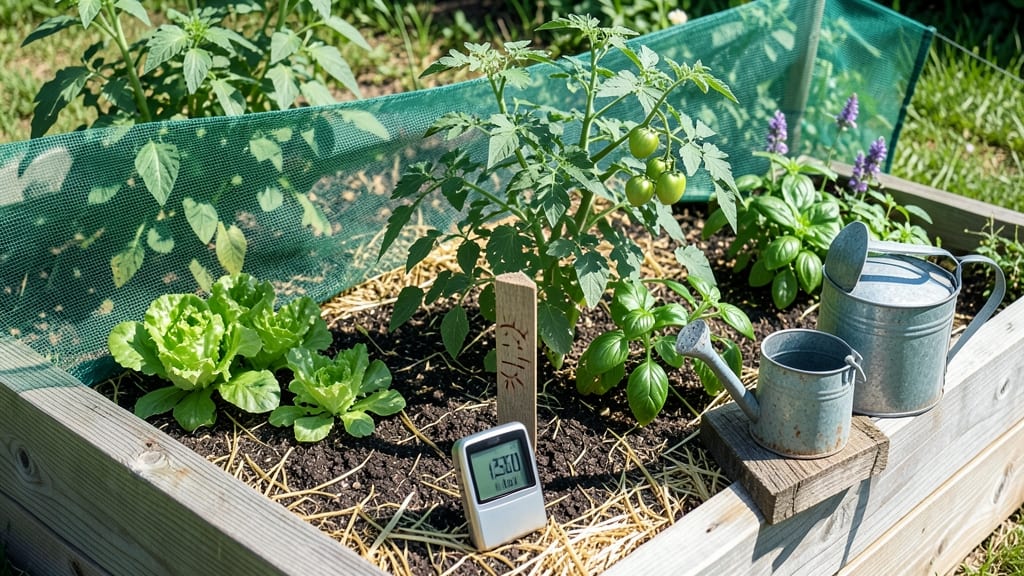
Your vegetable garden needs how much sun for vegetable garden to thrive—or at least that’s what most guides say, but getting it right means more than just counting hours.
Picture this: your tomatoes are wilting by noon, your lettuce bolts before you harvest, and your carrots grow leggy instead of sweet. That’s not just bad luck—it’s a sunlight mismatch, and the fix is simpler than you think.
Not all vegetables demand the same light, and your garden’s microclimates (like morning shade or afternoon heat) can make or break yields. Below, I break down the exact hours each crop needs, how to measure sunlight in your space, and the one mistake that’s secretly starving your plants.
By the end, you’ll know which crops to pair for shared shade, when to move plants as the sun shifts, and how to turn even a partially sunny spot into a high-yielding harvest.

Sunlight requirements for vegetable gardens by crop type
Sunlight isn't just important—it's the secret weapon in your vegetable garden. Too little, and your crops struggle to grow; too much, and you risk scorched leaves or stunted fruit. Every vegetable has unique sunlight requirements, and understanding them can double your yields.
For example, tomatoes and peppers crave full sun, while leafy greens like spinach thrive with just partial shade. Let’s break down the exact sunlight needs for 20+ common vegetables so you can plan your garden like a pro.
First, let’s clarify the terms: full sun means 6–8+ hours of direct sunlight daily, partial shade is 3–6 hours, and low light refers to less than 3 hours. Most vegetables fall into the first two categories, but a few—like arugula or radishes—can handle surprisingly little light.
The key is matching your garden’s sunlight map to your crops’ needs. Below, you’ll find a detailed breakdown of sun exposure requirements, including how inadequate sunlight impacts yields and what to watch for.
| Vegetable | Sunlight Needs | Yield Impact of Low Sun | Best Placement |
|---|---|---|---|
| Tomatoes | Full sun (8+ hours) | Fewer fruits, smaller size, blossom drop | South-facing beds, trellises |
| Peppers | Full sun (6–8 hours) | Pale, bland peppers; poor fruit set | Open, sunny spots; avoid shade from taller plants |
| Cucumbers | Full sun (6–8 hours) | Bitter taste, fewer cucumbers | Trellises near south wall |
| Lettuce | Partial shade (3–6 hours) | Bitter taste, bolt early | Morning sun, afternoon shade |
| Spinach | Partial shade (3–4 hours) | Slow growth, leggy leaves | North side of garden or under tall plants |
| Carrots | Full sun to partial shade (4–6 hours) | Stunted roots, poor flavor | Well-drained soil, morning sun |
| Green Beans | Full sun (6–8 hours) | Fewer pods, weak vines | Trellis in sunny corner |
| Radishes | Partial shade (3–4 hours) | Pithy, tough roots | Shady spots in summer |
| Squash | Full sun (8+ hours) | Poor fruit development, powdery mildew risk | Open, airy space |
| Onions | Full sun (6–8 hours) | Small bulbs, weak growth | Well-drained soil, full exposure |
| Basil | Full sun (6+ hours) |
How to measure sunlight in your garden and adjust plant placementUnderstanding your garden’s sunlight patterns is like having a secret map to success. Every inch of your yard receives different amounts of light throughout the day, and even small differences can drastically affect which vegetables thrive and which struggle. For example, my tomato plants need 6-8 hours of full sun, but my lettuce bolts in the same spot. The key is learning how to measure sunlight accurately and then using that data to place plants strategically. Start by observing your garden from sunrise to sunset, noting where shadows fall and how they shift. Use a sunlight calculator or a simple method like placing a white board in different spots for a week to track hours of direct light. This helps you identify microclimates—areas with unique light conditions—like the sunny side of a fence or the shaded corner under a tree. These microclimates are where you’ll decide whether to grow sun-loving peppers or shade-tolerant spinach. ⚠️ callout warning
⚠️ Sunlight Misjudgment = Wasted Plants!
A common mistake is assuming all 6 hours of sun are equal—but morning sun (cooler) and afternoon sun (hotter) affect plants differently. Tomatoes need afternoon sun for sweet fruit, while leafy greens prefer morning light to avoid bolting. Overestimating shade can lead to stunted growth, while too much sun can scorch delicate herbs like basil. Pro Tip:
Once you’ve mapped your garden’s light zones, group plants by their sunlight needs. Tall, sun-hungry crops like corn or sunflowers should go in the brightest spots, while partial-shade lovers such as kale or Swiss chard can thrive in 3-6 hours of light. I often use dwarf varieties of sun-loving plants (like bush beans) in partial shade to maximize space without sacrificing yield. Adjusting plant placement isn’t just about sunlight—it’s also about seasonal shifts. In summer, your garden might get 10+ hours of sun, but in winter, the same spot could drop to just 3 hours. Plan for this by choosing perennial herbs (like thyme) in sunny spots and cool-season crops (like carrots) in areas that get morning light. Use reflective surfaces, like white gravel or light-colored mulch, to bounce extra light into shaded beds during shorter days. For containers or small spaces, consider vertical gardening to maximize sunlight exposure. Trellises for pole beans or cucumbers lift plants into the light, while hanging baskets can be moved to follow the sun. I’ve even used adjustable plant stands to rotate pots between sunny and shady spots as needed. This flexibility is especially helpful for container gardens where space is limited. Finally, don’t forget to monitor and adapt throughout the growing season. If your peppers start looking pale, they might need more light—try moving them to a sunnier spot or adding a grow light for a few hours a day. Conversely, if your basil is wilting in the afternoon heat, provide afternoon shade with a lightweight shade cloth. The more you pay attention to these details, the more your garden will reward you with bountiful, healthy harvests. |