
Watering
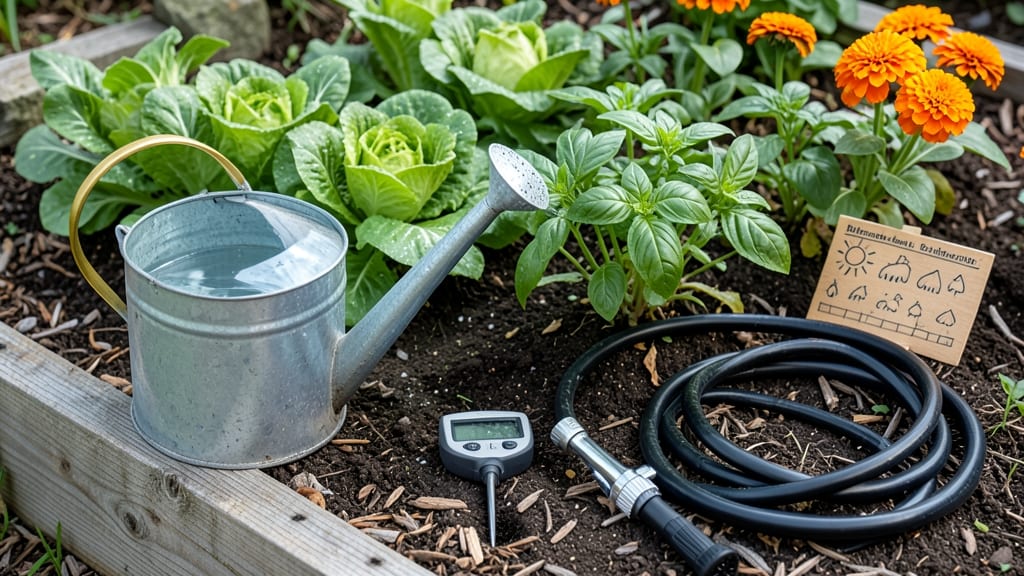
To water your garden properly, you need 1-2 inches of water per week—but the real trick is knowing how your soil type changes that rule.
Overwatering or underwatering your garden can turn your lush green dreams into wilted disappointment—soil type plays a bigger role in hydration than most gardeners realize. That heavy clay in your yard?
It holds moisture like a sponge, while sandy soil drains faster than you can pour. Without adjusting, you’ll either drown your 🌱 General Garden or leave roots thirsty.
This isn’t just about guessing—it’s about science. Clay soils might need watering just once a week, while sandy beds could dry out in 24 hours. I’ll break down the exact amounts for each soil type, plus how to spot when you’re overdoing (or underdoing) it.
By the end, you’ll have a foolproof system to keep your garden perfectly hydrated, no more wasted water or sad plants. Let’s get your soil working for you, not against you.
Watering needs by soil type: a science-backed breakdown
Your garden's soil type is the hidden hero of healthy plants—it determines how often and how deeply you should water. Clay soil holds moisture like a sponge, while sandy soil drains faster than a sieve.
Understanding these differences means the difference between thriving tomatoes and sad, wilted leaves. Let’s break down the science so you can water with confidence.
Most gardeners guess their watering needs, but soil composition changes everything. Loamy soil (the gold standard) balances drainage and retention, while rocky soil forces water to race through like a river.
Without knowing your soil’s quirks, you’re either drowning roots or leaving them parched. I’ll show you how to test your soil at home and match your watering schedule to its type.
| Soil Type | Water Retention | Watering Frequency | Depth per Session | Best Time to Water |
|---|---|---|---|---|
| Clay | Very High (like a sponge) | 1–2x per week | 6–8 inches deep | Morning (prevents fungal growth) |
| Sandy | Very Low (drains fast) | Daily (light but frequent) | 2–4 inches deep | Evening (reduces evaporation) |
| Loamy | Moderate (ideal balance) | 2–3x per week | 4–6 inches deep | Early morning |
| Rocky | Low (water runs off) | Daily (short bursts) | 1–2 inches deep | Morning or evening |
If you’re unsure about your soil type, grab a handful and squeeze it. Clay will form a tight ball that cracks when dry, while sandy soil crumbles instantly. Loamy soil holds shape loosely and feels rich—like a gardener’s dream.
For a DIY test, mix equal parts soil, water, and vinegar in a jar. Shake it, let it settle, and observe the layers: clay sinks slowest, sand fastest, and loam sits in the middle.
Your watering depth matters just as much as frequency. Clay soil needs deep soaks to penetrate its dense layers, while sandy soil benefits from shallow, frequent watering to prevent runoff. Use a screwdriver to check moisture: if it’s dry at 2 inches, it’s time to water.
For loamy soil, aim for 4–6 inches deep—this mimics natural rainfall and encourages deep root growth.
Seasonal shifts demand adjustments too. In summer, sandy soil may need watering twice daily, while clay soil might only need extra water every 10 days.
Always water in the morning for most soils to reduce evaporation and fungal risks. Rocky soil is the exception—water lightly in the evening to help moisture seep into crevices before the sun evaporates it.
Overwatering is just as damaging as underwatering. Clay soil suffocates roots if soggy, while sandy soil leaches nutrients when overwatered. Look for yellowing leaves (a red flag) or soil that smells like wet socks—both mean you’re drowning your plants.
A simple fix? Let the top inch dry out between waterings, and always use a well-draining pot if growing in containers.
Mulch is your secret weapon for water retention. Spread 2–3 inches of organic mulch (straw, wood chips) around plants to slow evaporation and keep roots cool. This is especially critical for sandy soil, where mulch can double the time between waterings.
For clay soil, mulch prevents crusting and helps water penetrate evenly.
Tools like a moisture meter or soil probe take the guesswork out of watering. Insert the probe 2–4 inches deep; if it’s dry, water until moisture reaches that depth.
For loamy soil, a finger test works too: press your finger into the soil—if it feels dry at 1 inch, it’s time to water. Adjust based on rainfall: skip watering if you’ve had 1 inch of rain in the past week.
Remember, plant type also plays a role. Succulents and native plants thrive in sandy soil with minimal water, while leafy greens and root vegetables love loamy soil kept consistently moist.
Group plants with similar water needs together to simplify your routine. With these science-backed tips, your garden will finally get the hydration it deserves—no more guesswork, just green thumbs.
Signs your garden is overwatered or underwatered (and how to fix it)
Your garden whispers clues through its leaves and soil—if you know what to listen for. Yellowing leaves or mushy stems scream "too much water," while crispy edges and drooping foliage beg for hydration.
The key? Understanding your soil type and plant needs. For example, clay soil holds moisture longer than sandy soil, so adjustments are crucial to avoid root rot or thirsty plants.
Start by checking the soil surface—a crusty, hard layer means overwatering, while dry, cracked earth signals underwatering. Fungal growth like mold or mildew on leaves or soil is another red flag. Even pests like aphids or spider mites thrive in stressed plants, often due to inconsistent watering.
The good news? Fixing these issues is simpler than you think with the right tools and techniques.
📌 PROS-CONS BOX: Watering Fixes for Overwatered vs. Underwatered Gardens
✅ DO:
- Test soil moisture with a moisture meter or finger test (1-2 inches deep).
- Improve drainage by adding organic matter (compost or perlite).
- Water only when top inch of soil feels dry to the touch.
- Use raised beds or containers for heavy clay soil.
❌ DON'T:
- Avoid watering on a schedule—adjust based on weather and soil.
- Skip mulch—it traps moisture and worsens root rot.
- Use heavy-handed fertilizers that encourage leafy growth over roots.
- Ignore yellow leaves—they may signal nutrient deficiency from poor drainage.
✅ DO:
- Water deeply 1-2 times per week (early morning).
- Add moisture-retentive amendments like coco coir or peat moss.
- Use drip irrigation for slow, consistent hydration.
- Group plants by water needs to simplify care.
❌ DON'T:
- Avoid shallow watering—it encourages surface roots and drought stress.
- Water at night—increases fungal diseases in dry soil.
- Overlook wilting—some plants (like succulents) prefer dry conditions.
- Use sprinklers on sandy soil—water evaporates too quickly.
For clay soil, let the top 2-3 inches dry out before watering again. In sandy soil, water daily but in short bursts to prevent runoff. Loamy soil (the gold standard) balances moisture well—aim for 1 inch per week, adjusting for rain.
Tools like a moisture meter ($20) or a simple finger test take the guesswork out of hydration.
If your plants show brown leaf tips or stunted growth, they might be underwatered. For overwatered plants, trim damaged leaves to redirect energy to roots. Aerate compacted soil with a fork to help water penetrate deeper. Remember, most garden problems stem from watering—master this, and your plants will thrive.
Pro tip: Keep a watering journal to track soil moisture, weather, and plant responses. Over time, you’ll spot patterns—like how your tomatoes wilt every 90-degree day—and adjust proactively. Your garden’s health is in your hands, one deep watering at a time.