
Watering
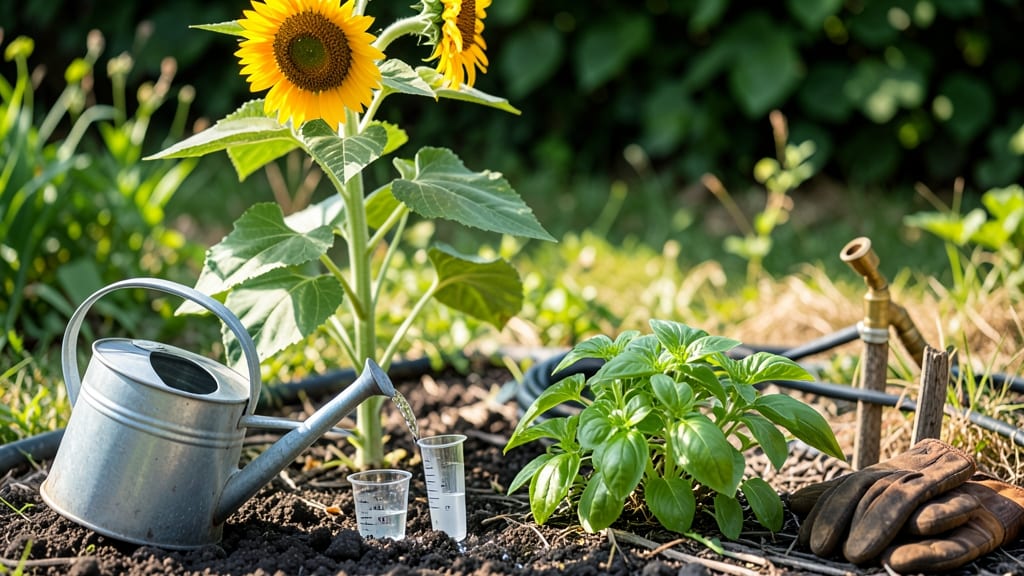
A garden needs 1 to 2 inches of water per week—but guessing this amount can mean the difference between thriving 🌱 and struggling plants.
Overwatering or underwatering your garden can ruin months of hard work—yet most gardeners guess how much water their plants truly need. The truth? Soil type, climate, and plant species determine hydration needs far more than intuition.
Sandy soil drains quickly, while clay holds moisture for days. A deep watering schedule keeps roots strong, but surface watering wastes resources and invites disease. Below, I’ll break down how to calculate your garden’s exact needs without a degree in botany.
You’ll learn how to read your soil, adjust for heatwaves or rain, and spot the early signs of over- or under-watering—so you can keep your garden perfectly hydrated all season long.
Water requirements by soil type: the science behind garden hydration
Understanding your soil type is the first step to mastering garden hydration. Sandy soil drains water quickly, while clay soil holds moisture like a sponge, and loam soil—the gardener's gold—balances both.
Each type demands a unique watering approach to keep roots happy without drowning or dehydrating your plants. Let's break down the science so you can water with confidence, not guesswork.
Your garden's thirst isn't one-size-fits-all. Sandy soil needs frequent, shallow watering because it can't retain moisture, while clay soil might need less water but risks suffocating roots if overdone. Even loam soil, the ideal mix, requires adjustments based on what you're growing.
The key? Matching your watering schedule to your soil's natural behavior and your plants' specific needs.
Here’s how different soil types behave—and how to water them right:
For sandy soil, think of watering like a quick drink for your plants—frequent but not deep. A tomato plant in sandy soil might need watering twice daily in summer, while the same plant in clay soil could go a week without a drop.
The secret? Deep watering encourages roots to grow downward, making plants more resilient. Use a trowel to check moisture 2-3 inches down—if it's dry, it's time to water.
Clay soil gardeners often struggle with waterlogging, where roots suffocate from too much moisture. If your soil feels slick when squeezed and holds its shape, it’s retaining too much water. Amend clay soil with organic matter like compost or peat moss to improve drainage.
For loam soil, which is already balanced, focus on consistency—water when the top inch feels dry to the touch, but avoid puddles.
Seasonal shifts change the game. In summer heat, sandy soil may need daily watering, while clay soil might only require a deep soak every 5 days. Winter slows everything down, so cut back to every 10-14 days unless you're growing cold-hardy crops like kale or carrots.
Always water in the early morning to reduce evaporation and fungal risks from evening moisture.
Pro tip: Mulch is your best friend. A 2-3 inch layer of mulch (straw, wood chips, or leaves) helps retain moisture in sandy soil and prevents clay soil from drying out too quickly.
It also keeps roots cool in summer and insulated in winter. For container gardens, which dry out faster, water daily in summer and every other day in cooler months, regardless of soil type.
Signs of underwatering include wilting leaves, crispy edges, and soil pulling away from pot sides. Overwatering shows up as yellowing leaves, mold, or a foul smell. Adjust your schedule based on these cues—your plants will thank you with lush growth and vibrant blooms.
The right watering routine turns guesswork into a thriving garden.
Remember, every garden is unique. Test your soil’s moisture level with a simple finger check or a moisture meter for precision. By tuning into your soil’s personality, you’ll create a hydration schedule that keeps your garden flourishing year-round. Happy watering!
How to calculate your garden’s water needs without a degree in botany
Figuring out how much water your garden truly needs doesn’t require a science degree—just the right tools and a little know-how. Many gardeners overwater or underwater simply because they don’t measure soil moisture accurately.
The key is understanding soil type, plant needs, and weather conditions to create a watering schedule that keeps roots happy without drowning them.
Start by identifying your soil type. Sandy soil drains quickly and needs frequent, shallow watering, while clay holds moisture for days and may only need deep watering once a week.
Loam—ideal for most gardens—strikes a balance. Once you know your soil, you can adjust watering based on plant species and seasonal changes, like droughts or heatwaves.
Here’s a simple step-by-step method to calculate your garden’s water needs without guesswork:
For DIY tools, repurpose a plastic bottle as a soil moisture sensor. Bury it neck-down in the soil, leaving the cap off. When the bottle feels light, it’s dry and ready for water.
This trick works for both in-ground and container gardens. Pair it with a watering schedule app (like PlantNet) to track habits and adjust as your plants grow.
Remember, overwatering kills just as surely as underwatering. Yellowing leaves? Check for root rot. Wilting despite damp soil? It might be fungal disease from poor drainage. The goal is consistency—not perfection. With these steps, you’ll water like a pro in no time. 🌱