
Fertilization
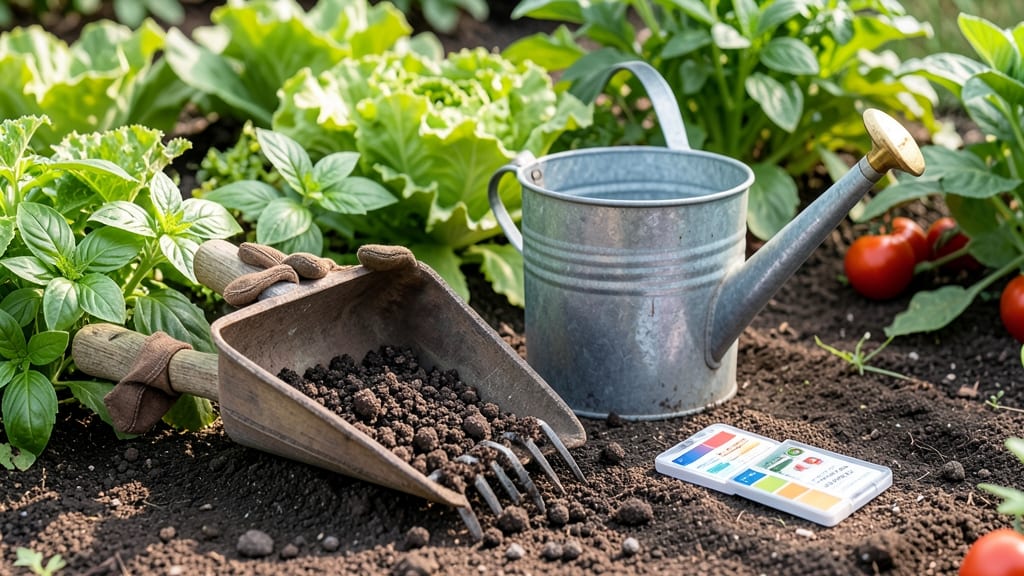
Should you fertilize your garden every other week, or is that overkill? The right timing makes all the difference between lush plants and struggling ones.
If your tomatoes are leafy but fruitless or your roses refuse to bloom, your fertilization schedule might be the culprit. Too much fertilizer burns roots, while too little starves plants of the nutrients they need to thrive.
Here’s the breakdown: vegetables need feeding every 4-6 weeks during the growing season, while flowers and lawns prefer a lighter touch—think monthly or seasonal applications. The key is matching your fertilizer type to your soil and plant needs.
Discover how to read your soil’s signals, choose the best fertilizer for your General Garden 🌱, and adjust your schedule by season—without wasting a drop.

Seasonal fertilization schedule by plant type: when to feed for maximum growth
Fertilizing your garden isn’t just about throwing down some granules—it’s about timing and plant-specific needs. Too much too soon can burn roots, while too little leaves your plants starving. The key is a seasonal schedule that matches your plants’ growth cycles.
I’ve grown everything from tomatoes to roses, and I’ve learned that annuals, perennials, and vegetables all crave different feeding routines.
Spring is the time to kickstart growth with a balanced fertilizer (like 10-10-10), while summer calls for light, frequent feeds to sustain blooms and harvests. Fall? Most plants need a break to prepare for dormancy. Let’s break down exactly when to feed each type for maximum growth without waste.
For vegetables, I swear by a high-nitrogen kick in spring to jumpstart leafy growth, but switch to potassium-rich fertilizers in summer to boost fruit production. My tomatoes go from soggy blight to beefsteak beauties when I follow this schedule—no more wasted fertilizer!
Flowering plants like roses and petunias need a phosphorus push in spring to encourage root and bloom development. I’ve seen deadheading paired with a light summer feed extend bloom time by 3-4 weeks. Pro tip: Water deeply after feeding to prevent root burn.
Perennials are the low-maintenance stars of my garden. A single spring feeding and occasional organic top-ups in summer keep them thriving. I’ve noticed hostas and lavender grow 20% larger when I stick to this routine—no guesswork!
Lawns deserve their own love, too. Cool-season grasses like fescue need two spring feedings and a fall boost
Signs your garden needs fertilizer: how to diagnose nutrient deficiencies
Your garden might be silently screaming for help, but you're missing the clues. Yellowing leaves, stunted growth, or sparse blooms often signal nutrient deficiencies—not just lack of water or sunlight.
Before reaching for fertilizer, learn to read your plants' symptoms to avoid over- or under-feeding. Leaf discoloration and weak stems are common red flags that your soil may lack essential nitrogen, phosphorus, or potassium.
Start by examining your plants' leaf color. Pale yellow leaves often mean nitrogen deficiency, while purple stems or undersides of leaves suggest phosphorus shortages. Brown leaf tips or crispy edges can indicate over-fertilization or too much salt in the soil.
Pay attention to new growth patterns—if your plants are growing slowly or producing fewer flowers/fruits, they may need a nutrient boost.
Don't guess—test your soil! A simple soil test kit (available at garden centers) reveals pH levels and nutrient deficiencies. Most plants thrive in slightly acidic to neutral soil (pH 6.0-7.0).
If your test shows low levels of nitrogen (N), phosphorus (P), or potassium (K), choose a fertilizer with the corresponding numbers (e.g., 10-20-10 for phosphorus-heavy needs).
🌱 Key Takeaway: How Often Should You Fertilize?
- Vegetables/Herbs: Every 3-4 weeks during growing season (spring-fall)
- Flowers/Shrubs: Every 6-8 weeks or as new growth starts
- Lawns: 4 times/year (spring, summer, early fall, late fall)
- Newly Planted: Light feed after 4-6 weeks, then monthly
- Avoid fertilizing: Dormant seasons (winter) or extreme heat
💡 Pro Tip: Always water before and after applying fertilizer to prevent root burn.
Watch for physical signs of over-fertilization, too. Burnt leaf edges, wilting despite moist soil, or excessive leafy growth with few flowers mean you're overdoing it. If you see white crust on soil surface, it's a sign of salt buildup from synthetic fertilizers.
In these cases, flush the soil with water and reduce fertilizer amounts by half.
Season matters! Spring is prime time for nitrogen-rich fertilizers to kickstart growth, while fall applications focus on potassium to strengthen roots before winter. Slow-release fertilizers (like organic compost or granules) are ideal for steady nutrient delivery without risk of overfeeding.
For container plants, fertilize every 2-3 weeks during active growth since nutrients leach out faster.
Remember, healthy soil = healthy plants. Amend your soil annually with compost or aged manure to improve texture and nutrient retention. If your garden shows multiple deficiency signs, a balanced 10-10-10 fertilizer (equal parts NPK) is a safe starting point.
Always follow package instructions, and adjust based on your plants' responses over time.
Your garden’s health is a balancing act—observe, test, and adjust. With practice, you’ll learn to read your plants’ needs like a pro, ensuring lush growth without waste. Happy gardening! 🌿