
How To
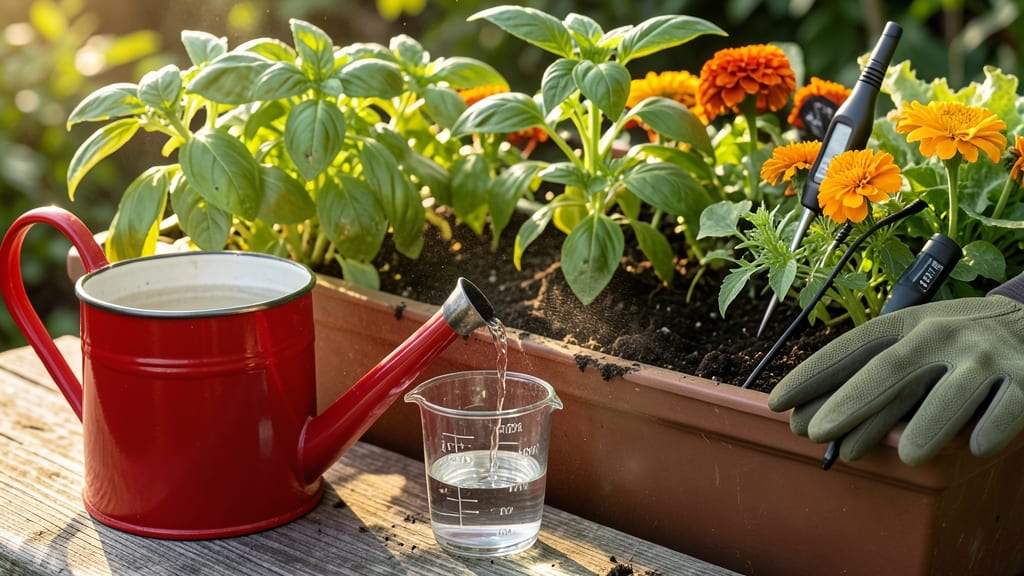
To water your garden properly, check soil type and weather first—because how often you water is the difference between thriving 🌱 plants and wasted effort.
Struggling to keep your garden thriving? Overwatering or underwatering can silently kill your plants—yet most gardeners don’t know the exact watering schedule based on soil type. Here’s the science-backed guide to watering your garden just right for maximum growth.
Clay soil holds moisture for days, while sandy soil dries out in hours—so your watering routine must adapt. I’ll break down the ideal frequency for each soil type, plus how to spot when you’re overdoing (or underdoing) it.
By the end, you’ll know exactly when to reach for the hose, how deep to water, and which plants need special care. No more guessing—just healthier, happier gardens.
Soil-type watering schedule: how often to water different garden soils
Your garden’s soil type is the single biggest factor in determining how often you should water. Clay soil holds moisture like a sponge, while sandy soil drains faster than a sieve. Even loamy soil—the gardener’s gold—requires precision.
Without knowing your soil’s behavior, you might drown your tomatoes or leave your roses parched. Let’s break down the science so you can water with confidence, no guesswork needed.
First, test your soil’s drainage with this simple trick: Dig a hole 6 inches deep, fill it with water, and time how long it takes to drain. If it drains in 1 hour, you likely have sandy soil.
If it takes 4+ hours, you’re dealing with clay soil. Loamy soil falls somewhere in between, draining in 2-4 hours. This test reveals whether your plants need frequent shallow watering or deep infrequent soaks.
Rocky soil is the wildcard—it drains like sand but holds little moisture. Plants in rocky areas often need drip irrigation or mulch to prevent rapid drying. Meanwhile, organic-rich soil (like compost-amended loam) can hold moisture longer, reducing your watering frequency by up to 30%. The key? Adjust your schedule based on what your soil actually does, not what you think it should do.
Seasonal shifts complicate things further. In summer, sandy soil may need watering daily, while clay soil can go 5-7 days between deep waterings. Winter slows drainage, so even sandy gardens might only need water every 10-14 days. Use a moisture meter or the finger test (stick your finger 1 inch deep—if dry, water) to avoid over- or under-watering.
For vegetables like tomatoes and peppers, sandy soil demands daily watering in summer, while clay soil can handle deep watering every 5 days. Flowers such as petunias wilt quickly in sandy soil but thrive in clay if given enough water. Shrubs like hydrangeas prefer loamy soil, where they can go 4-5 days between waterings.
Always adjust for rainfall—skip watering if you’ve had 1 inch of rain in the past week.
Pro tip: Mulch changes the game. A 2-3 inch layer of wood chips or straw can reduce watering needs by 30-50% by slowing evaporation. In sandy soil, mulch helps retain moisture longer, while in clay soil, it prevents the surface from drying out too fast.
For rocky soil, mulch is non-negotiable—it’s the only way to keep roots hydrated between waterings.
Watch your plants for stress signals: Wilting leaves in the morning mean underwatering, while yellowing leaves or mushy stems signal overwatering. Succulents in sandy soil might need water every 10-14 days, but the same plant in clay could rot in 3 days if overwatered.
Pay attention to the soil’s texture—if it crumbles when dry, it’s sandy; if it sticks to your fingers, it’s clay.
Adjust your
Signs your garden plants are overwatered or underwatered (and how to fix it)
Even with the best intentions, overwatering or underwatering can silently sabotage your garden. Yellow leaves, limp stems, or moldy soil might seem like separate issues—but they’re often linked to watering mistakes. The key is learning to read your plants’ visual and tactile cues before damage becomes irreversible.
I’ve seen tomato plants drown in soggy soil while succulents shrivel from thirst—both because gardeners misjudged their needs. The good news? Fixing these issues is easier than you think once you know what to look for. Let’s start with the most common red flags in your garden.
🚨 Watering Warning Signs
Overwatered plants: Yellowing leaves (starting at the bottom), mushy stems, foul-smelling soil, and mold or fungus on soil surface.
Underwatered plants: Crispy, brown leaf edges, wilting that doesn’t recover after watering, and soil pulling away from pot edges.
Fix it fast: For overwatered plants, let soil dry completely before watering again. For underwatered plants, water deeply until it drains from the bottom.
Let’s tackle overwatering first, since it’s the sneakiest culprit. When roots sit in waterlogged soil, they suffocate and develop root rot. Look for leaves turning yellow (especially the oldest ones) while the plant feels heavy and soggy.
If you poke the soil and it smells like rotten eggs, that’s your answer—your plants are drowning.
For herbs like basil or parsley, overwatering causes the leaves to curl inward and develop brown spots. The fix? Stop watering immediately and repot in fresh, well-draining soil. Add perlite or sand to improve drainage, and water only when the top inch of soil feels dry.
Mulch around the base to prevent moisture loss but avoid piling it against stems.
Now, let’s talk underwatering, which often shows up as wilting that doesn’t bounce back after a drink. Unlike overwatered wilting (which feels limp and heavy), underwatered plants feel dry and crispy. Check the soil—if it’s bone-dry 2 inches down, your plants need a deep watering.
For vegetables like peppers or eggplants, water at the base in the morning to prevent fungal issues.
Create a quick-reference checklist for your garden: ☑️ Tomatoes: Water when soil is 1-2 inches dry (avoid wetting leaves) ☑️ Succulents: Water every 2-3 weeks (let soil dry completely) ☑️ Herbs: Keep soil lightly moist (not soggy) ☑️ Flowers: Water deeply 2-3 times per week in summer Adjust based on your climate and soil type—sandy soil drains faster than clay.
Remember, the goal is consistent moisture, not a rigid schedule. Stick your finger in the soil—if it’s dry up to your first knuckle, it’s time to water. With these signs and fixes, your garden will thrive without guesswork. Happy growing! 🌱