
How To
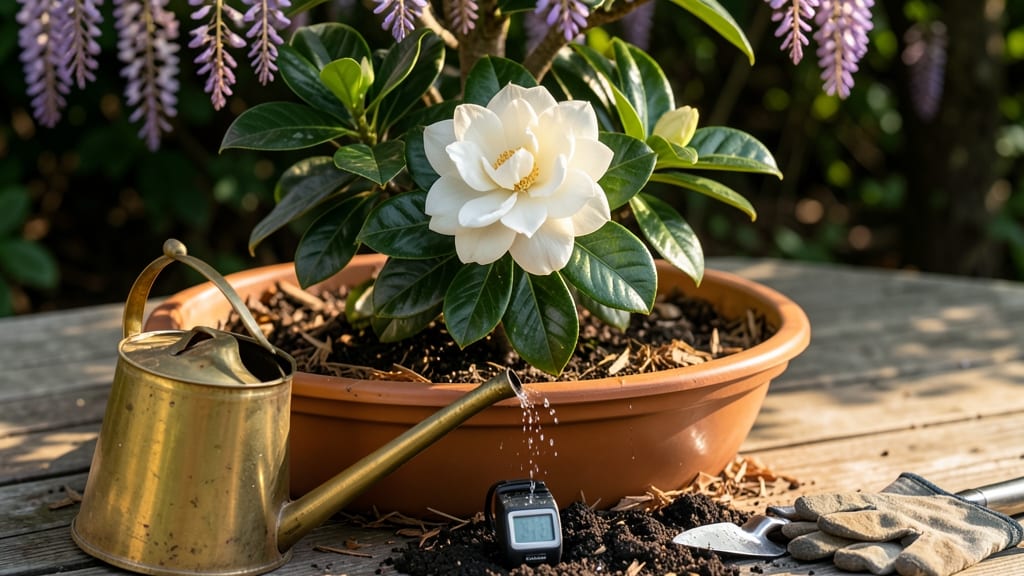
To water gardenias properly, aim for consistent moisture—about every 2-3 days—but the real trick is checking soil dryness before you water. 🌸
Struggling to keep your gardenia blooming? The secret isn’t just how much you water—it’s when you water based on soil moisture. Overwatering or underwatering can kill this fragrant favorite faster than you think.
Gardenia roots thrive when the top 1-2 inches of soil feel dry to the touch, but they hate soggy conditions. In hot summers, you might water daily, while cooler months can stretch that to every 3-4 days. Potted plants dry out faster, so adjust accordingly.
Here’s what you’ll learn: how to read your gardenia’s thirst cues, the best times to water, and how to avoid common mistakes that stunt blooms or invite pests.
Gardenias’ ideal watering schedule by season: a soil-moisture guide
Mastering your gardenia’s watering schedule means paying close attention to soil moisture and seasonal changes. These tropical beauties thrive when their roots stay consistently moist but never soggy. The key is checking the top 1-2 inches of soil—if it feels dry, it’s time to water.
Climate zones also play a role, with humid regions needing less frequent watering than arid areas. Let’s break down the perfect watering rhythm for each season to keep your gardenia blooming year-round.
Spring is when gardenias wake up from dormancy, so they’ll need more frequent watering as new growth appears. Aim to water every 2-3 days, ensuring the soil stays moist but not waterlogged.
In USDA Zone 6a, where gardenias thrive, spring rains can complicate things—always check soil moisture before watering. Overwatering in spring can lead to root rot, while underwatering stresses the plant as it prepares for blooming season.
| Season | Watering Frequency | Soil Moisture Trigger | Climate Adjustments |
|---|---|---|---|
| Spring | Every 2-3 days | Top 1-2 inches dry | Humid areas: every 3-4 days |
| Summer | Daily or every 2 days | Top 1 inch dry | Drought: daily; humid: every 2 days |
| Fall | Every 3-4 days | Top 2 inches dry | Adjust for early frost |
| Winter | Bi-weekly | Top 3 inches dry | Dormant: reduce watering |
Summer is the most critical time for gardenia watering, especially in USDA Zone 6a where temperatures can soar. Water your gardenia daily or every 2 days, depending on your climate. In drought conditions, daily watering may be necessary, while humid regions can stretch it to every 2 days.
Always water deeply to encourage strong root growth. A good rule of thumb is to water when the top 1 inch of soil feels dry. Avoid shallow watering, which only wets the surface and leaves roots thirsty.
Fall marks the transition as gardenias prepare for dormancy. Reduce watering to every 3-4 days, checking for top 2 inches of dry soil before watering. This slower pace helps the plant harden off for winter.
If you’re in a cooler climate, like Zone 6a, you might notice early signs of frost—adjust your schedule to avoid overwatering as growth slows. Mulching around the base can help retain moisture and regulate soil temperature during this transition.
Winter care for gardenias focuses on minimal watering. Since the plant is dormant, water only when the top 3 inches of soil are dry, typically every 2 weeks. Overwatering in winter can lead to root rot or fungal issues.
If you’re in a warmer microclimate, you might need to water slightly more often, but always let the soil dry out between waterings. This is also a great time to prune dead branches and prepare for spring growth.
Potted gardenias have different needs than in-ground plants. Since containers dry out faster, you’ll need to water every 1-2 days in summer and every 3-4 days in spring/fall.
Always check the soil moisture—potted plants are more prone to overwatering because excess water drains quickly, but the roots can dry out just as fast. Use a well-draining pot and avoid saucers that trap water.
In winter, reduce watering to every 3-4 weeks, only when the soil is completely dry.
Adjusting your gardenia’s watering schedule based on local climate and seasonal changes is the secret to keeping it healthy. In humid climates, like the southeastern U.S., water less frequently because high moisture in the air reduces evaporation.
Conversely, in arid regions, like the Southwest, you’ll need to water more often to compensate for rapid soil drying. Always observe your plant—wilting leaves or yellowing foliage are clear signs you need to adjust your watering routine.
One common mistake gardeners make is watering on a strict schedule without checking soil moisture. Gardenias hate consistent wet soil, which leads to root rot, but they also suffer from drought stress. The solution? Use your finger to test soil moisture daily during peak growing seasons.
If the soil feels dry 1-2 inches down, it’s time to water. This simple check saves gardenias from both overwatering and underwatering, keeping them lush and blooming.
For gardeners in USDA Zone 6a, where gardenias are at the edge of their hardiness, winter care is especially important. Mulch heavily around the base of the plant to insulate roots and retain moisture.
In early spring, as temperatures rise, gradually increase watering to every 2-3 days to encourage new growth. Avoid fertilizing until you see fresh shoots—this ensures your gardenia has the energy to bloom beautifully all season.
5 Signs your gardenia needs water (and 3 signs you’re overdoing it)
Your gardenia thrives on consistency, but telling when it’s thirsty—or drowning—can be tricky. Unlike succulents that shrivel dramatically, gardenias show subtle signs of water stress. I’ve learned the hard way that ignoring these cues leads to drooping blooms or worse, root rot.
The key is checking both leaf condition and soil moisture before reaching for the hose.
Start by examining the leaves. Healthy gardenia leaves are glossy and deep green. If you notice crispy edges or leaves curling inward, your plant is begging for water. But here’s the catch: wilting can also signal overwatering if the soil feels soggy.
That’s why I always pair visual checks with a simple soil test—stick your finger 1-2 inches deep. If it’s bone-dry, water immediately.
How Often to Water Gardenia: Quick Checks
- 1 Test soil moisture daily in summer by inserting a finger 1-2 inches deep. If dry, water thoroughly until it drains from the bottom.
- 2 Water in the morning (before 10 AM) to prevent fungal growth from evening dampness. Avoid overhead watering to keep leaves dry.
- 3 Adjust for containers: Potted gardenias need water every 1-2 days in summer, while in-ground plants tolerate every 2-3 days. Containers dry out faster!
- 4 Check for yellowing between veins—a classic sign of overwatering. If leaves also feel mushy, your gardenia may have root rot.
- 5 Mulch heavily (3-4 inches) to retain moisture and regulate soil temperature. Use organic mulch like pine bark or shredded leaves.
One of my gardenias nearly died last summer when I ignored the drooping buds before they opened. The blooms were heavy and pulled the stems downward, but the real giveaway was the soil pull test.
I tugged gently on the plant—if it resists, roots are happy; if it slides out easily, it’s thirsty. For potted gardenias, lift the pot: a dry weight means it’s time to water, while a soggy bottom signals overwatering.
Overwatering is sneaky. I once thought my gardenia loved the daily drink I gave it, until I spotted yellow leaves with brown spots. That’s root rot talking. If you see this, stop watering immediately and let the soil dry out.
Repot in fresh, well-draining soil and trim any mushy roots. Pro tip: If your gardenia’s leaves feel slimy or smell foul, it’s a red flag for fungal issues.
Another mistake I made? Watering at night. While it might seem logical to hydrate plants when it’s cooler, evening moisture lingers on leaves, inviting powdery mildew. Always water in the early morning so leaves dry quickly.
And if you’re using tap water, let it sit out overnight—gardenia hates chlorine, which can scorch their delicate roots.
Remember, gardenias are thirsty but not drowning plants. The goal is consistent moisture, not soggy soil. If you’re unsure, err on the side of underwatering—your gardenia will recover faster from thirst than from rot.
And always check the bottom of the pot for drainage holes. No holes? That’s a one-way ticket to root rot city.