
Planting
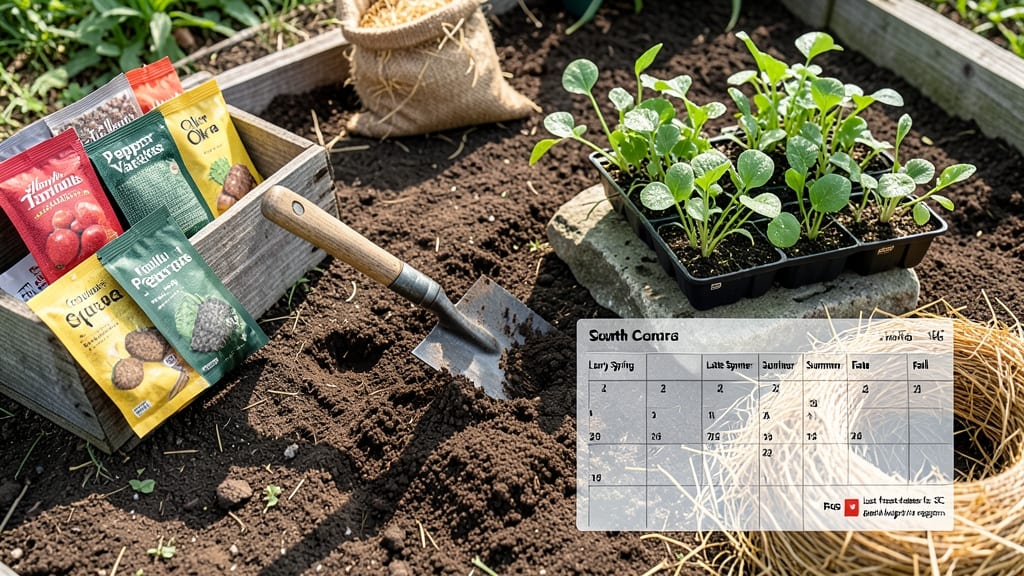
Planting a garden in South Carolina demands precision—get the timing wrong, and your zero-frost crops bolt before harvest or wilt under summer heat.
South Carolina’s long growing season and humid climate make it a gardener’s paradise—but planting at the wrong time can mean wilted dreams instead of thriving crops. Timing is everything, especially when dealing with zero-frost plants that demand precision to avoid heat stress or premature bolting.
Most gardeners in USDA zones 7b-8a can start warm-season crops like tomatoes and peppers as early as late February, but coastal areas often wait until March to avoid frost. The key is tracking soil temperatures—60°F or warmer is the magic number for direct sowing.
In this guide, I’ll break down the month-by-month planting windows, how to extend your season with shade cloth and mulch, and the five biggest timing mistakes that ruin gardens every year.
South Carolina planting zones & heat-tolerant zero-frost crops timing guide
South Carolina spans USDA zones 7b through 9a, giving gardeners a 300+ day growing season—but heat-tolerant crops like okra, sweet potatoes, and peppers need precise timing to thrive.
The key? Planting after your last frost date (typically mid-March to early April in most zones) and avoiding summer heat stress by starting early or using shade strategies.
For zero-frost crops, timing matters even more—these plants won’t survive frost and must be in the ground when soil temperatures hit 60°F+.
Coastal areas (zone 8a) can start 2-3 weeks earlier than Piedmont (zone 7b), so always check your local frost-free date using the SC State Climatology Office or Almanac tools.
🌱 Pro Tip: Use a soil thermometer—tomatoes and peppers need soil at 70°F+ to germinate properly. If your soil is cooler, wait or use black plastic mulch to warm it faster.
In zone 7b, where frost lingers longer, start peppers indoors in February and transplant after April 1. Okra and sweet potatoes can go directly into the ground by mid-April, but cover seedlings with frost cloth if nights dip below 50°F.
Zone 8a gardeners have a 2-week head start—direct sow okra by March 15 and peppers by April 1. The coastal heat means you can also plant a second crop of beans in late July for a fall harvest.
For zone 9a, the longest growing season lets you plant year-round. Sweet potatoes can go in as early as February, and tomatoes thrive with drip irrigation during 90°F+ heat. Succession plant every 2 weeks for continuous harvests.
To calculate your frost-free date, average the last frost dates from the past 5 years in your area. For example, if your local almanac shows March 20 as the average last frost, add 2 weeks for safe planting of heat-lovers.
🌿 Key Adjustments: Urban areas (like Columbia) may be 2°F warmer than rural zones due to heat islands. Use shade cloth (30–50%) to protect seedlings from afternoon sun during May–June.
For fall planting, start collards and kale in late July (zone 7b) or June (zone 9a). These cool-season crops tolerate light frosts and even improve in flavor after a light freeze.
Remember: Soil temperature > air temperature for planting success. Use a moisture meter to check—dry soil heats up faster than damp soil. Mulch with straw to keep roots cool during summer heatwaves.
How to avoid heat stress: 5 pro tips for extending South Carolina’s planting season
South Carolina’s summer heat can turn your garden from lush to limp if you’re not strategic. Even heat-loving crops like okra or sweet potatoes need protection when temperatures soar past 90°F. The key is extending your planting window without sacrificing plant health—here’s how I do it.
First, identify your heat-sensitive varieties. Leafy greens like lettuce or spinach bolt quickly in summer, while tomatoes and peppers can develop sunscald on exposed fruit. Knowing these limits helps you plan transitions to fall crops like collards or kale by late August.
🌡️ 5 Pro Tips to Beat the Heat
- 1 Shade cloth magic: Use 30-50% shade cloth over seedlings to block 20-30% of sunlight. This buys you 2-3 extra weeks before transplanting heat-sensitive plants like cucumbers or squash.
- 2 Mulch like a pro: Apply 3-4 inches of straw or wood chips to retain soil moisture and keep roots 5-10°F cooler. Replenish every 4-6 weeks for best results.
- 3 Drip irrigation schedule: Water early morning (5-7 AM) using drip lines to avoid wetting foliage. Run systems for 15-20 minutes per zone twice daily during heatwaves.