
How To
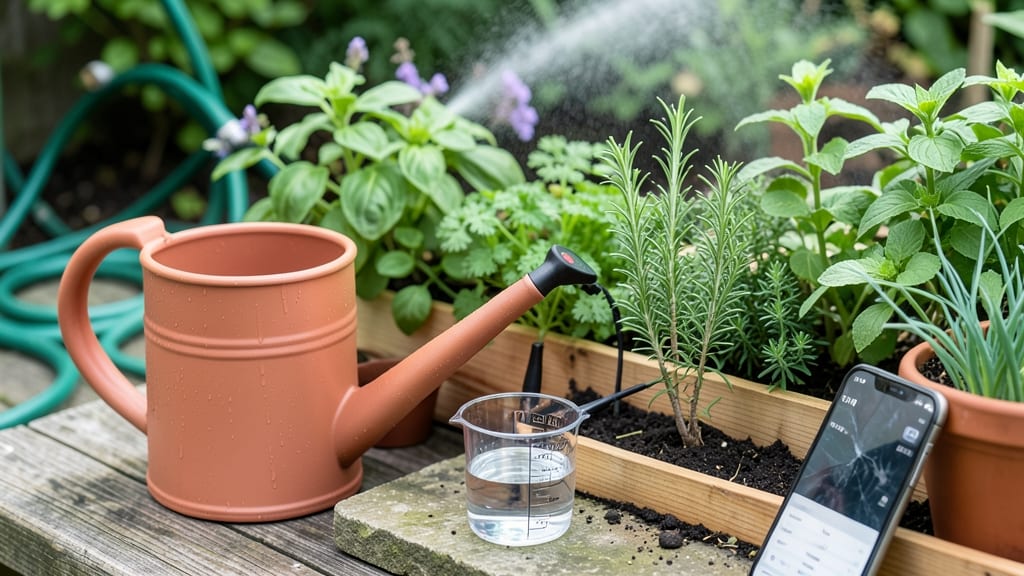
Watering your herb garden the right way keeps those 🌿 fresh leaves thriving instead of turning them into a soggy mess.
Struggling to keep your herb garden thriving? Overwatering or underwatering can turn your fresh basil into a sad, wilted mess—fast. The secret lies in mastering soil-moisture tests and watering schedules tailored to each herb's unique needs.
In USDA Zone 6a, where spring planting kicks off in March, herbs like basil and parsley crave consistent moisture, while rosemary and thyme prefer drier conditions. The key is checking soil moisture before watering—stick your finger an inch deep—and adjusting for heat, rain, or indoor pots.
Below, I’ll break down exact watering schedules by herb type, plus 5 foolproof tests to avoid overwatering and keep your garden lush from May through October.
Optimal watering frequency for common herb gardens by type
Watering your herb garden isn't a one-size-fits-all task—each herb has unique moisture needs based on its root depth, drought tolerance, and growth habits. For example, basil and cilantro love consistent moisture, while rosemary and thyme thrive with less frequent watering.
Even the same herb behaves differently indoors versus outdoors due to humidity levels and container size. Let’s break down the ideal watering schedules for your most common herbs, so you can keep them lush and flavorful without drowning their roots.
Outdoor herb gardens typically need 1 inch of water per week, but this varies by season. In summer heat, you might water daily, while winter dormancy often means bi-weekly watering. Indoor herbs, however, dry out faster due to lower humidity, so check soil moisture every 2-3 days.
The key is understanding each herb’s watering threshold—when to water and when to let the soil dry slightly. Overwatering is the #1 killer of herb gardens, so we’ll focus on preventing soggy soil while keeping roots hydrated.
| Herb | Outdoor Watering Frequency | Indoor Watering Frequency | Root Depth | Drought Tolerance |
|---|---|---|---|---|
| Basil | Every 1-2 days (daily in heat) | Every 2-3 days (check soil daily) | 6-12 inches | Low |
| Mint | Every 2-3 days (soil should stay moist) | Every 1-2 days (containers dry fast) | 12-18 inches | Medium |
| Parsley | Every 2-3 days (keep soil even) | Every 3-4 days (avoid soggy soil) | 10-15 inches | Medium-High |
| Cilantro | Every 1-2 days (hates dry soil) | Every 2 days (use saucers) | 8-12 inches | Low |
| Rosemary | Every 5-7 days (drought-loving) | Every 5-7 days (use terracotta pots) | 24+ inches | High |
| Thyme | Every 7-10 days (let soil dry) | Every 7-10 days (small pots dry fast) | 12-18 inches | High |
| Oregano | Every 7-10 days (drought-tolerant) | Every 7-10 days (well-draining soil) | 18-24 inches |
5 Soil-moisture tests to determine when herbs need waterWatering your herb garden can feel like walking a tightrope—too much and you drown the roots, too little and the leaves crisp up. The key to success lies in understanding your soil's moisture levels, not just guessing based on a schedule. Different herbs have unique needs, and even the same herb behaves differently in sandy soil versus clay-heavy soil. Let's explore five foolproof tests to help you water with confidence, no matter what type of soil you're working with. Before diving into tests, remember that morning watering is always best. It prevents fungal diseases and gives plants time to dry out during the day. Now, let's get your fingers dirty and learn how to read your soil like a pro. 🌱 5 Soil-Moisture Tests for Herb Gardens
Each of these tests works best when adapted to your specific soil type. For example, sandy soil drains quickly, so you'll need to water more frequently than with clay soil, which holds moisture like a sponge. Always adjust based on your local climate—hot, dry summers demand more water, while cool, rainy seasons may require you to hold off. False readings can happen, especially if you're testing right after watering or in partial shade. For instance, a moisture meter might show high readings in clay soil even when the roots are thirsty. To troubleshoot, combine tests: if the meter says moist but your finger test shows dry topsoil, water lightly and check again in an hour. Pro tip: Keep a watering journal! Note which tests work best for your herbs and soil type. Over time, you'll develop an intuition for when your garden is thirsty. And remember, herbs like rosemary and thyme actually prefer slightly drier conditions, while basil and cilantro love consistent moisture. Tailor your approach to each plant's personality! With these tests in your toolkit, you'll never guess again whether your herbs need water. Happy gardening, and may your basil stay perky and your rosemary stay fragrant! 🌿 |