
Plants
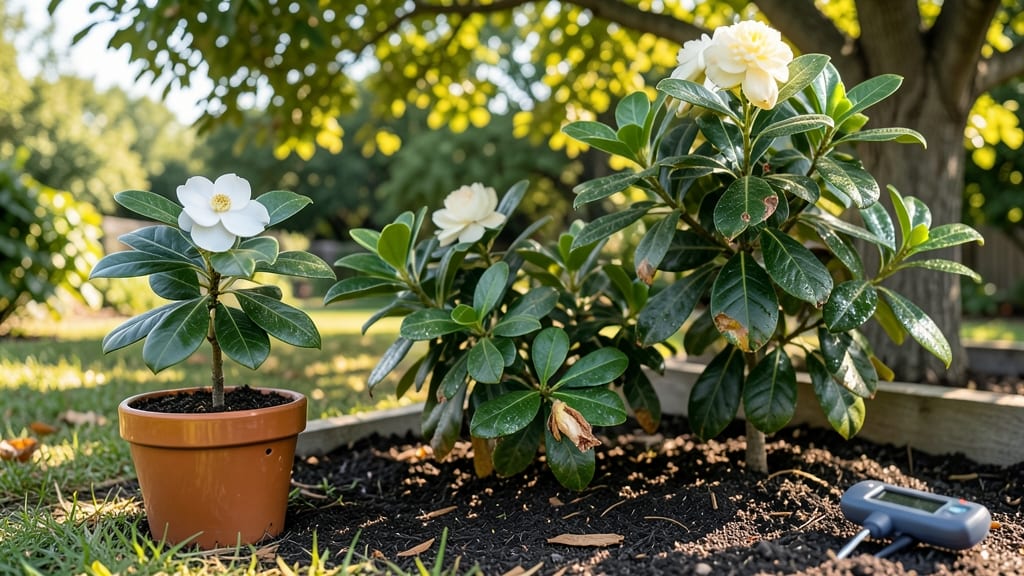
Your gardenia plant thrives in bright light with morning sun and afternoon shade—a balance that keeps its leaves lush and blooms abundant.
Struggling to get your gardenia plant to bloom? The battle often comes down to one critical factor: light. Too much sun scorches the delicate leaves, while too little shade stunts growth—but finding the perfect balance is the key to fragrant, show-stopping flowers.
In USDA Zone 6a, where spring planting is ideal, gardenias need 4-6 hours of filtered light daily. A spot near an east-facing window or under 40% shade mimics their natural tropical habitat, preventing leaf burn while encouraging vibrant blooms.
Below, I’ll show you how to spot signs of improper light—like yellowing leaves or sparse flowers—and adjust your gardenia’s environment for peak performance, whether you’re in a sunny climate or a cooler region.
 Best Window Placement
Optimal sunlight conditions for gardenia blooms: how much light do they need?
Gardenia plants thrive in bright, indirect light with a mix of morning sun and afternoon shade. This delicate balance is crucial for their glossy leaves and fragrant blooms. Unlike sun-loving plants, gardenias can't handle harsh afternoon rays, which often cause leaf burn or wilting.
Understanding their light needs is the first step to growing a healthy, blooming gardenia.
In my experience, gardenias need about 4-6 hours of sunlight daily, but this varies by climate. Tropical regions may require more shade, while cooler northern climates can handle slightly more sun.
The key is observing your plant's response—if leaves yellow or drop, it's a sign of stress from too much light or heat.
| Condition | Specification | Ideal For |
|---|---|---|
| Sunlight Hours | 4-6 hours | Morning sun + afternoon shade |
| Best Window | East-facing | Gentle morning light |
| Tropical Climates | 3-4 hours max | Afternoon shade required |
| Northern Climates | 5-6 hours | Cooler temps tolerate more sun |
| Signs of Too Much Sun | Yellow/brown leaves | Reduce exposure immediately |
For gardeners in hot climates, like Florida or Southern California, I recommend placing gardenias under dappled shade or using sheer curtains to filter light. In these areas, afternoon sun (after 2 PM) can be deadly for gardenias.
Even a few hours of direct afternoon sun can cause leaf scorch and premature leaf drop.
In cooler climates, such as the Pacific Northwest or New England, gardenias can handle slightly more sun—up to 6 hours daily. However, they still prefer morning sun over harsh afternoon rays.
If you're in Zone 5 or colder, consider growing gardenias in containers and moving them indoors during winter to protect them from frost.
One common mistake I see is assuming gardenias need full shade. While they tolerate some shade, too little light leads to stunted growth and fewer blooms. If your gardenia isn't flowering, it might be getting too much shade.
Try moving it to a brighter spot with filtered light—like near a window with a sheer curtain.
If your gardenia shows signs of light stress, such as yellowing leaves or leaf drop, act quickly. Move the plant to a shadier spot immediately and increase humidity around it.
Mist the leaves lightly in the morning to help them recover. Over time, with the right light balance, your gardenia should bounce back and produce those coveted fragrant blooms.
For container gardenias, rotate the pot every few weeks to ensure even light exposure. This prevents one side from getting too much sun while the other stays in shade. A simple trick I use is placing the pot on a turntable or rotating it manually to keep growth balanced.
Remember, gardenias are native to tropical and subtropical regions, so they're used to gentle, filtered light. Mimicking their natural habitat—with morning sun and afternoon shade—is the best way to ensure they thrive.
With the right light conditions, your gardenia will reward you with lush foliage and abundant blooms all season long.
🌸
Shade solutions for gardenias: when and how to protect from harsh sunlight
If your gardenia plant leaves are turning crispy or blooms refuse to open, harsh afternoon sun is likely the culprit. Gardenias thrive in filtered light—think dappled shade under tall trees—but need protection when temperatures soar.
The key is creating a microclimate that mimics their natural tropical habitat without shocking the plant.
Southern climates demand extra shade (up to 50% coverage during peak sun hours), while Northern gardeners can often rely on natural shade from nearby structures. Let’s break down how to transition your gardenia from full sun to shade safely, plus the best artificial solutions when nature falls short.
🌿 Key Shade Solutions for Gardenias
- 1. Dappled Shade: Plant under deciduous trees like oak or maple for natural morning sun + afternoon shade. Avoid evergreens, which block all light year-round.
- 2. Artificial Shade Cloth: Use 30-50% shade cloth (white or silver) to diffuse intense sunlight. Secure 3-4 feet above the plant to prevent heat buildup.
- 3. Temporary Shade: For sudden heatwaves, drape lightweight fabric (like muslin) over a trellis. Remove when temps drop below 85°F.
- 4. Strategic Pruning: Thin out dense foliage to improve airflow and reduce heat stress. Focus on inner branches that get no direct light.
- 5. Mulching: Apply 3 inches of organic mulch (pine bark or shredded leaves) to keep roots cool and moist. Replenish annually.
When transitioning a gardenia from full sun to shade, do it gradually over 2-3 weeks. Start by providing shade for just 2 hours/day and increase by 1 hour weekly.
Sudden shade can cause leaf drop as the plant adjusts its photosynthesis process. Watch for new growth as a sign it’s adapting well.
For container gardenias, move pots to a shadier spot during summer afternoons (2 PM–6 PM). If indoors, place near an east-facing window with sheer curtains to filter light. Avoid west-facing windows, where afternoon sun can bake leaves in minutes.
Regional adaptations matter: In hot, humid climates (Zones 8-10), aim for morning sun only and afternoon shade, while cooler zones (6-7) can tolerate partial sun with minimal protection. Always monitor your plant’s leaf color—dark green means it’s happy; yellow or brown signals stress.
Pro tip: Group gardenias with companion plants like impatiens or ferns, which thrive in similar shade conditions. This creates a natural shade canopy while adding texture to your garden. Pair them with mulch volcanoes to retain moisture during transitions.