
Tools
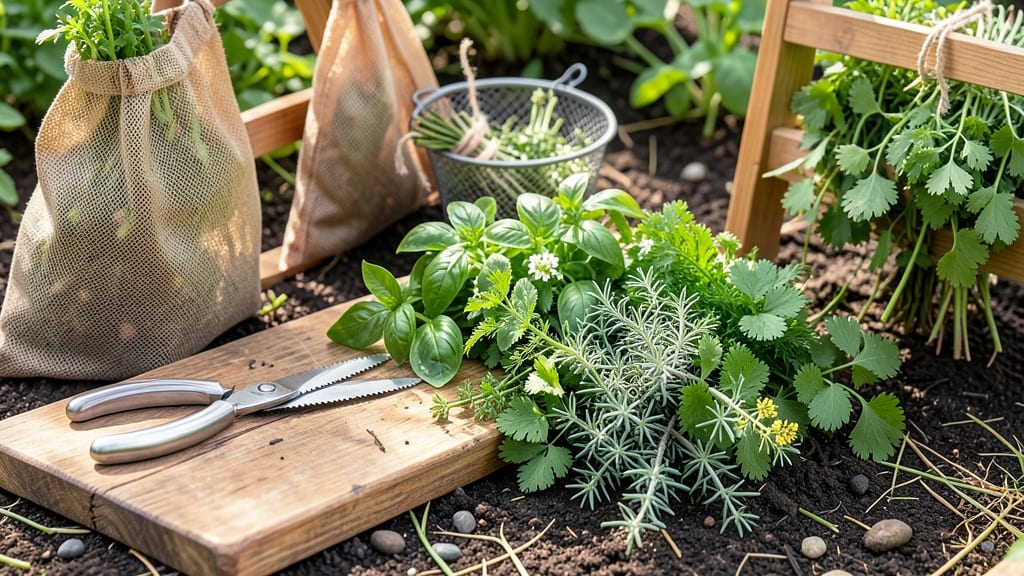
To dry fresh herbs from the garden, preserve their flavor and extend shelf life by hanging bundles upside down in a warm, dry, well-ventilated area for 1-3 weeks or using a dehydrator at 95°F for 1-4 hours. Avoid humidity and direct sunlight to prevent mold or loss of potency.
Drying herbs at home is one of the best ways to keep your garden's bounty year-round. 🌿 The key is removing moisture gradually—too fast can strip essential oils, while too slow risks mold.
I've found that air-drying works best for hearty herbs like rosemary and thyme, while delicate varieties such as basil and cilantro often need the gentle heat of a dehydrator. Proper storage in airtight containers away from light keeps them potent for up to a year.
Before drying, always remove damaged leaves and trim stems to about 4-6 inches for even drying. For dehydrators, spread herbs in a single layer to allow proper airflow—crowding leads to uneven drying and potential spoilage.
Once fully dried, store them whole and crush only when ready to use to preserve maximum flavor.
💡 In This Article
- Best Herb Drying Methods Compared
- Time-Saving Tips for Drying Garden Herbs
Best herb drying methods compared
The science behind drying herbs revolves around moisture evaporation and how quickly it occurs. Air-drying relies on natural airflow to gradually remove moisture—ideal for robust herbs like rosemary and thyme. These herbs contain tougher cell structures that can withstand slower drying (1-3 weeks) without losing their essential oils.
The process works because the plant's natural resins and waxes slow moisture loss, preserving flavor compounds like pinene in rosemary or thymol in thyme.
Dehydrators offer more control by maintaining a consistent 95°F temperature, which is perfect for delicate herbs like basil and cilantro. At this temperature, water evaporates at a steady rate without heat damaging the volatile oils responsible for flavor.
For example, basil's eugenol compound (which gives it its peppery note) remains stable at 95°F but degrades above 110°F. Oven-drying at 175°F or higher risks cooking the herbs, turning them bitter and losing up to 30% of their aromatic compounds.
Humidity is the silent enemy—levels above 60% create the perfect environment for mold spores to thrive. In my kitchen, I use a small fan to circulate air during air-drying, reducing relative humidity near the bundles. For dehydrators, built-in vents automatically maintain 30-40% humidity, preventing spoilage.
The goal is to reduce herb moisture to 10-15% of their original weight, which typically takes 1-4 hours in a dehydrator versus 1-3 weeks for air-drying.
Herb anatomy explains why some dry better than others. Leafy herbs like parsley have thin, porous leaves that dry quickly but can turn brittle. Woody stems like oregano need their leaves stripped before drying to prevent uneven moisture distribution.
The key is matching the method to the herb's structure—delicate leaves benefit from dehydrators, while sturdy stems thrive with air-drying. 🌿
Light exposure also plays a role. Chlorophyll in herbs breaks down under direct sunlight, turning them yellow and dull. That's why I always choose shaded, well-ventilated spots for air-drying—like a pantry with a small window or a covered porch.
For dehydrators, the enclosed environment protects herbs from light while maintaining optimal conditions. This attention to detail preserves both color and potency.
Consider these factors when choosing your method:
- Herb type: Delicate herbs (basil, cilantro) need dehydrators; hardy herbs (rosemary, thyme) work well air-dried
- Time available: Dehydrators take 1-4 hours; air-drying requires 1-3 weeks of patience
- Equipment: Dehydrators cost $30-$80 but offer precision; air-drying requires only space and time
- Storage goals: Whole dried herbs last 6-12 months; crushed herbs lose potency in 3-6 months