
How To
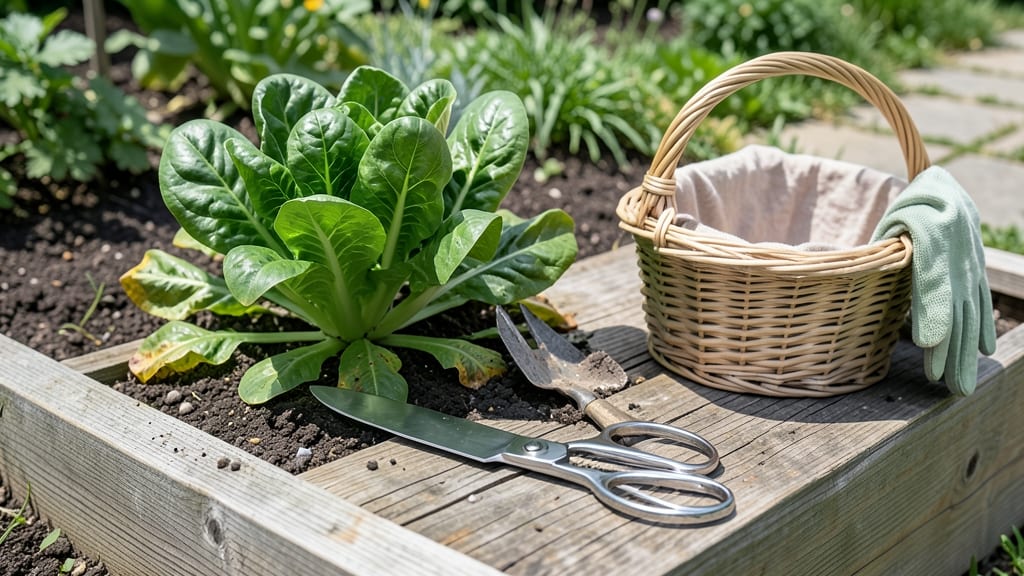
To harvest lettuce from your garden at the perfect time means crisp, flavorful leaves without the bitter punch you get when you wait too long.
There’s nothing like the freshness of homegrown 🥬—unless it’s the disappointment of wilted, tough greens that taste like disappointment itself. The secret? Timing and technique matter just as much as the planting.
You’ll learn when to snip for continuous harvests (cut-and-come-again) versus when to pull the whole head, plus how to spot the ideal signs of readiness—dark green, firm leaves or a tightly formed heart.
By the end, you’ll avoid the most common mistakes, like harvesting too early or damaging roots, and keep your lettuce tasting fresh for weeks after the garden trip.
When and how to harvest lettuce for maximum freshness and flavor
Timing your lettuce harvest is everything—pick too early, and you’ll get small, underdeveloped leaves. Harvest too late, and you risk bitter flavors or bolting (flowering). The key is knowing when your leaf lettuce or head lettuce is at its peak for crispness and sweetness.
For most varieties, this happens when outer leaves reach 2-3 inches long and feel firm to the touch.
Temperature and sunlight play a huge role in flavor. Lettuce grown in cooler weather (50-70°F) develops the most tender, sweet leaves. If your garden hits 75°F or hotter, your lettuce may bolt or turn bitter.
Morning harvests in partial shade (4-6 hours of sun) help preserve that fresh taste. Avoid harvesting after a heatwave—your greens will be tough and less flavorful.
Before you grab your shears, check for these readiness signs: dark green color, crisp texture, and a full, bushy appearance. If your lettuce has a tight heart (for head varieties) or mature outer leaves, it’s ready.
Ignoring these cues can lead to overmature lettuce, which often tastes bitter or develops woody stems.
For leaf lettuce varieties, you can use the cut-and-come-again method—snip the outer leaves when they’re large enough, leaving the inner leaves to grow. This extends your harvest by 2-4 weeks and keeps your plants productive.
Always use clean, sharp shears or scissors to avoid damaging the plant or spreading disease.
When harvesting head lettuce, like Romaine or Iceberg, cut the entire head 1 inch above the soil to prevent regrowth. If you leave the base, the lettuce may regrow, but the quality will be poor.
For loose-leaf varieties, pinch off individual leaves at the base—this encourages new growth and prevents bolting from heat stress.
After harvesting, store your lettuce properly to maintain freshness. Wrap heads loosely in a damp paper towel and place them in a plastic bag in the fridge. For loose leaves, rinse gently, dry thoroughly, and store in an airtight container with a paper towel to absorb moisture.
Proper storage can extend shelf life by 5-7 days for cut-and-come-again leaves and up to 2 weeks for whole heads.
If your lettuce starts to bolt (sending up flower stalks), it’s a sign you waited too long. To salvage the flavor, harvest the outer leaves immediately before they become bitter. For future crops, plant shade-tolerant varieties like Buttercrunch or Oakleaf and use row covers to protect from extreme heat.
Remember, the sooner you harvest, the sweeter and crisper your lettuce will be. Regular harvesting also encourages continuous production, giving you a steady supply of fresh greens all season long. With these techniques, you’ll avoid the common pitfalls of bitter lettuce and wasted crops.
Now grab those shears and enjoy the reward of your hard work—a bowl of homegrown, flavor-packed lettuce straight from your garden! 🥬✂️🌿
Harvesting methods: cut-and-come-again vs. full head removal
Deciding between cut-and-come-again and full head removal can double your lettuce yield. The cut-and-come-again method works best for leaf lettuce varieties like romaine or butterhead, while full head removal suits crisphead lettuce like iceberg.
I’ve found that choosing the right method depends on your lettuce type and how long you want to harvest.
For cut-and-come-again harvesting, you snip the outer leaves when they reach 2-3 inches long, leaving the inner leaves to regrow. This method extends your harvest by 4-6 weeks and works well in warm climates.
However, it requires more frequent checks and isn’t ideal for head lettuce varieties that bolt easily. I’ve used this technique with romaine in my garden, and it’s given me fresh greens for months!
Cut-and-Come-Again Harvesting
- Extends harvest by 4-6 weeks
- Works for leaf lettuce varieties
- Encourages continuous regrowth
- Not ideal for head lettuce
- Requires frequent monitoring
- Risk of bolting in heat
Full Head Removal
- Best for mature head lettuce
- Single harvest yields full, crisp heads
- Prevents bitterness in regrowth
- Limited to one harvest per plant
- Not suitable for regrowth
- Requires timely planting for succession
When using the full head removal method, I always harvest in the early morning when leaves are crisp. Use a sharp knife or pruning shears to cut just above the soil line, leaving the roots intact.
This method is perfect for iceberg or romaine when you want that perfect, compact head. Just remember, once you harvest the full head, the plant won’t regrow significantly.
After harvesting, whether using cut-and-come-again or full head removal, I always water the base thoroughly to help the plant recover. For cut-and-come-again, trim leaves down to 1 inch above the soil to encourage new growth.
Avoid harvesting more than one-third of the plant at once to prevent stress. I’ve also found that adding a light mulch helps retain moisture and keeps the soil cool.
Timing is everything! For cut-and-come-again, harvest every 2-3 weeks during the growing season. For full head removal, plan to harvest when the head feels firm and the leaves are tightly packed.
I’ve learned that late afternoon is also a good time to harvest, as the leaves are slightly cooler and less likely to wilt quickly. Store harvested lettuce in the crisper drawer of your fridge for up to 1 week.
Choose the cut-and-come-again method if you want a continuous supply of greens, especially in warm climates. Opt for full head removal if you’re growing head lettuce varieties and want that classic, crisp texture. Both methods work wonders—it just depends on your goals and the type of lettuce you’re growing! 🥬