
How To
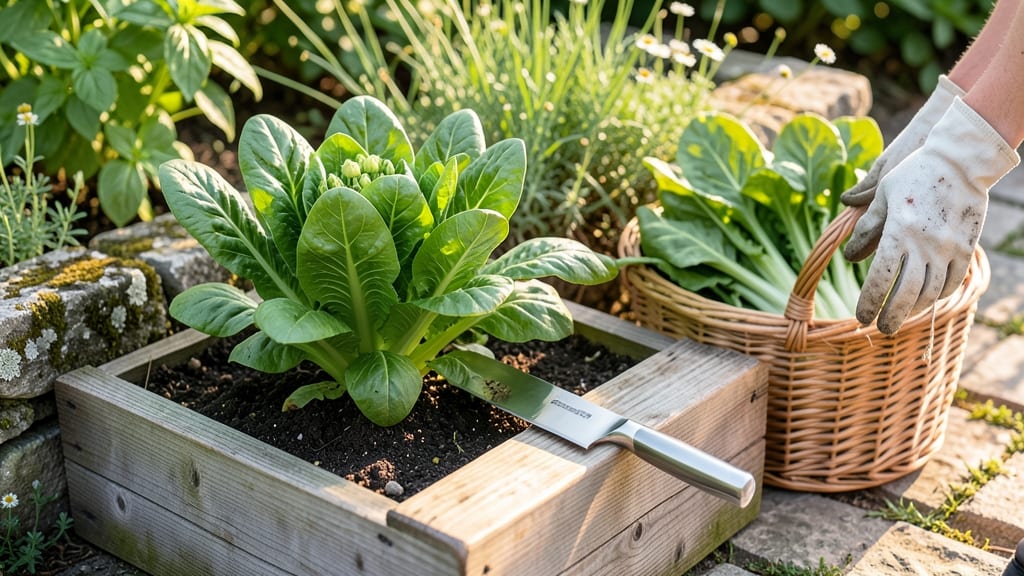
Harvesting romaine lettuce from your garden at the right time ensures crisp, flavorful leaves 🥬 that taste like a restaurant salad—if you know the secrets.
Picture this: you’ve nurtured your romaine for weeks, only to pull a leaf that’s bitter or wilted before you even wash it. That’s the frustration of harvesting too late—or too early. The difference between restaurant-quality crunch and disappointment comes down to timing, technique, and a few simple tools.
In this guide, I’ll walk you through the exact moment to harvest (yes, there’s a window), how to cut leaves without damaging the plant, and storage tricks to keep your bounty fresh for days. No more guesswork—just crisp, bitter-free romaine every time.
You’ll also discover common mistakes that turn your harvest into a floppy mess and how to avoid them. Ready to turn your garden into a salad bar? Let’s get started.
When to harvest romaine lettuce for maximum crispness and flavor
Timing is everything when harvesting romaine lettuce. Picking too early means small, underdeveloped leaves, while waiting too long risks bitter flavor and tough textures. The ideal harvest window falls between 50-70 days after planting, depending on your climate and variety.
Understanding these visual cues and growth stages ensures you enjoy crisp, flavorful lettuce every time.
One of my favorite tricks is checking the leaf length and stem thickness. For perfect romaine, aim for leaves that are 6-12 inches long and stems that are thick and sturdy.
These indicators show the plant has reached its prime eating stage. Additionally, the head shape should be firm and compact, not loose or floppy.
Weather plays a crucial role in harvest timing. Hot temperatures above 80°F (27°C) can cause romaine to bolt, producing bitter-tasting leaves. If your garden is experiencing a heatwave, harvest earlier than usual.
Conversely, cooler weather slows growth, so you might need to wait a few extra days for ideal size and texture.
Here’s a quick comparison to help you decide when to harvest your romaine lettuce:
For leaf-by-leaf harvesting, start by plucking the outer leaves when they reach 6-8 inches. This method encourages the plant to produce more leaves, giving you a longer harvest season.
I’ve found that romaine harvested this way stays crisp for up to 5-7 days in the fridge if stored properly.
If you prefer a full head harvest, wait until the entire head is 10-12 inches tall with a tight, upright shape. The leaves should be a deep green color and free of yellowing or browning.
Cut the head just above the base using a sharp knife or pruning shears to avoid damaging the plant.
One common mistake I see is waiting too long to harvest. Over-mature romaine develops tough, fibrous leaves and a bitter flavor due to the plant’s natural defense mechanisms.
If you notice the base of the lettuce turning yellow or the leaves becoming loose, it’s a clear sign you’ve missed the optimal harvest window.
Pro tip: Harvest in the morning when temperatures are cooler. This helps maintain the crispness and flavor of your lettuce. After harvesting, rinse the leaves gently under cool water and pat them dry with a clean towel to remove excess moisture, which can cause wilting.
By paying attention to these harvest cues and adjusting for your local climate, you’ll consistently enjoy crisp, flavorful romaine straight from your garden. The key is balance—harvest at the right time, and your lettuce will reward you with restaurant-quality taste and texture every time. 🥬
Step-by-step harvesting techniques to preserve lettuce quality
Harvesting romaine lettuce at the right time and with the right technique ensures tender, crisp leaves without triggering bolting or bitterness. The key is patience—wait until leaves reach 6-12 inches in length with vibrant deep green color.
Over-mature lettuce becomes tough and bitter, so timing matters more than you might think.
For continuous harvests, I recommend the cut-and-come-again method, where you snip outer leaves while leaving the inner core intact. This encourages regrowth for 3-4 weeks longer than a single harvest. Avoid pulling entire plants unless you’re ready to replant or the lettuce has fully matured.
Your choice of harvesting tools also impacts quality. Sharp, clean pruning shears or kitchen scissors work best—they create clean cuts that heal faster than torn leaves. Never use dull knives, as they crush stems and invite rot or pests.
- Wear gardening gloves to protect hands from dirt and thorns on older leaves.
- Use sterilized scissors to cut leaves at a 45-degree angle, 1 inch above the base.
- Harvest outer leaves first to avoid shocking the inner core.
- Leave 2-3 inches of growth at the base to encourage regrowth.
- Discard wilted or yellowed leaves immediately to prevent disease spread.
- Store harvested leaves in a plastic bag with a paper towel to absorb moisture.
Post-harvest care is just as critical as the harvest itself. Rinse leaves in cool water and pat dry with a clean towel to remove dirt and bacteria.
Store them in the crispest drawer of your fridge (usually the bottom shelf) wrapped in a paper towel to absorb excess moisture and extend shelf life by 7-10 days.
Avoid common mistakes like harvesting during peak heat (10 AM–4 PM), which causes wilting. Also, never store lettuce in plastic bags without ventilation, as trapped moisture accelerates spoilage.
If your lettuce starts to bolt (sending up a tall flower stalk), it’s past its prime—harvest immediately or compost it to avoid seed spread.
With these techniques, you’ll enjoy crisp, flavorful romaine for weeks, even from a single plant. The secret? Consistency in timing, tools, and post-harvest care makes all the difference. Happy harvesting! 🥬