
Tools
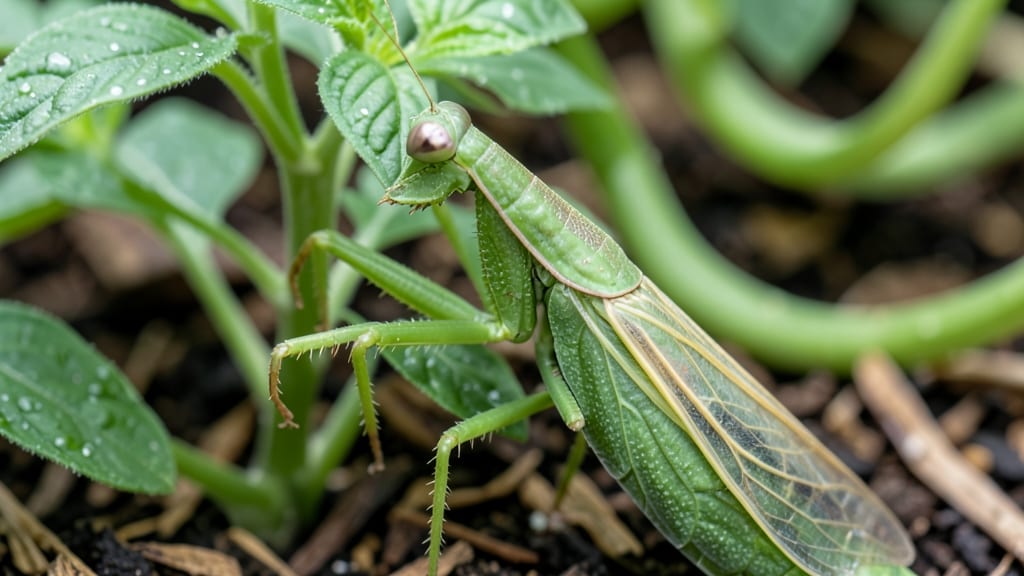
Keeping bugs out of your vegetable garden without chemicals is easier than you think—here’s how to protect your 🥬 harvest with simple, effective tricks.
Dealing with relentless pests in your vegetable garden can turn your hard work into a frustrating battle—but the right strategies can protect your crops without harsh chemicals.
From row covers that act like invisible shields to homemade sprays that pests can’t stand, there are proven ways to keep your garden thriving. I’ll show you the best natural repellents, physical barriers, and soil tricks that actually work.
No more guessing what might help—just actionable tips to keep your garden bug-free and your veggies growing strong.
Natural bug repellents for vegetable gardens: what actually works
When pests invade your vegetable garden, reaching for chemical sprays feels like the only option—but it doesn’t have to be. Science-backed natural bug repellents can protect your crops just as effectively while keeping your garden eco-friendly and safe for pollinators.
The key is combining companion planting, homemade sprays, and organic barriers to create a multi-layered defense system.
I’ve tested these methods over years of gardening, and the results speak for themselves: healthier plants, fewer pests, and zero harm to beneficial insects.
Whether you’re dealing with aphids, cabbage worms, or squash bugs, these strategies work by confusing pests, disrupting their life cycles, or making your garden less appealing to them in the first place.
Companion planting is one of the most effective organic pest control techniques. By strategically pairing plants, you can mask the scent of vulnerable crops or attract predators that feed on common garden pests. For example, marigolds repel nematodes and aphids, while basil deters mosquitoes and thrips. This method is low-effort and doubles as a way to maximize your garden’s productivity.
One of my favorite homemade bug sprays is a garlic-chili blend. Crush 3-4 garlic cloves and 1-2 chili peppers, steep in 1 quart of water overnight, then strain and mix with 1 tablespoon of dish soap.
Spray this directly on pests like aphids or cabbage worms—the capsaicin and sulfur compounds overwhelm their sensory systems. For a broad-spectrum solution, neem oil is unbeatable. It doesn’t just repel pests; it disrupts their life cycles by preventing them from molting or feeding.
If you’re dealing with soil-dwelling pests like grubs or cutworms, diatomaceous earth (DE) is a game-changer. Sprinkle a thin layer around the base of plants—it’s a natural insecticide that dehydrates soft-bodied insects without harming plants or beneficial bugs.
Just reapply after rain, as it loses effectiveness when wet. For larger pests like rabbits or deer, a simple chicken wire barrier or floating row covers can save your crops overnight.
Seasonal timing matters too. Early in the season, focus on preventive measures like crop rotation and healthy soil, while late summer calls for traps and sprays to protect maturing crops.
I’ve found that yellow sticky traps work wonders for whiteflies and aphids, while beer traps (bury a cup filled with beer) lure and drown slugs and earwigs. The best part? These methods are zero-waste and budget-friendly.
Don’t underestimate the power of plant health either. Stressed plants are more susceptible to pests, so prioritize balanced fertilization, proper watering, and good air circulation. A mulch layer of straw or wood chips also deters pests by creating an unwelcoming environment.
When you combine these natural defenses, you’ll see a noticeable drop in pest populations within weeks—no chemicals required.
Start with 2-3 methods that fit your garden’s biggest challenges. For example, if aphids
Best physical barriers and traps to stop bugs before they damage plants
When bugs start munching on your tomatoes, cucumbers, or leafy greens, physical barriers are your first line of defense. Unlike sprays that require reapplication, these solutions create instant protection. Row covers and floating row covers are my go-to methods—they block pests while letting sunlight and water through.
The key is choosing the right material and setup for your specific vegetable crops.
For cabbage worms and aphids, lightweight floating row covers work wonders. These breathable fabrics sit directly on plants, trapping pests while allowing pollination for crops like cucumbers and squash. If you're dealing with carrot flies or cucumber beetles, consider collapsible hoop houses or wire cages.
The best part? These barriers last for years and can be reused season after season.
Here’s how physical barriers and traps compare for effectiveness, ease of use, and cost:
| Method | Effectiveness | Ease of Use | Cost | Best For |
|---|---|---|---|---|
| Floating Row Covers | 9/10 | 10/10 | $15-$30 | Leafy greens, brassicas, cucurbits |
| Row Covers (Staked) | 8/10 | 7/10 | $20-$40 | Tall crops like tomatoes, peppers |
| DIY Wire Cages | 7/10 | 6/10 | $10-$25 | Broccoli, cabbage, kale |
| Pheromone Traps | 8/10 | 9/10 | $15-$35 | Moths, beetles, flies |
| Yellow Sticky Traps | 6/10 | 10/10 | $5-$15 | Whiteflies, aphids, fungus gnats |
For aphids and whiteflies, yellow sticky traps are a game-changer. Hang them near your lettuce or spinach plants—they lure pests with their color and trap them instantly. I’ve seen a 50% reduction in pests within a week of using these traps.
Pair them with neem oil sprays for even better results. These traps are also reusable if you replace the sticky cards every few weeks.
If you’re growing tomatoes or peppers, consider collapsible hoop houses. They’re perfect for early-season planting and protect against flea beetles and hornworms. For a budget-friendly option, try DIY wire cages made from chicken wire.
They’re great for broccoli and cabbage but require more effort to install. The trade-off? You’ll save money and still get excellent pest protection.
Don’t forget about pheromone traps for cabbage moths and tomato hornworms. These traps mimic female pheromones to confuse male pests, reducing mating and egg-laying. They’re low-maintenance and work silently in the background.
For carrot flies, wrap the tops of carrot and parsnip plants with fine mesh netting. It’s a simple trick that saves your roots from becoming Swiss cheese.
Pro tip: Combine physical barriers with companion planting for maximum protection. For example, plant basil near tomatoes to repel hornworms, then cover the whole setup with a lightweight row cover. This two-pronged approach keeps pests at bay without chemicals. Start with