
Tools
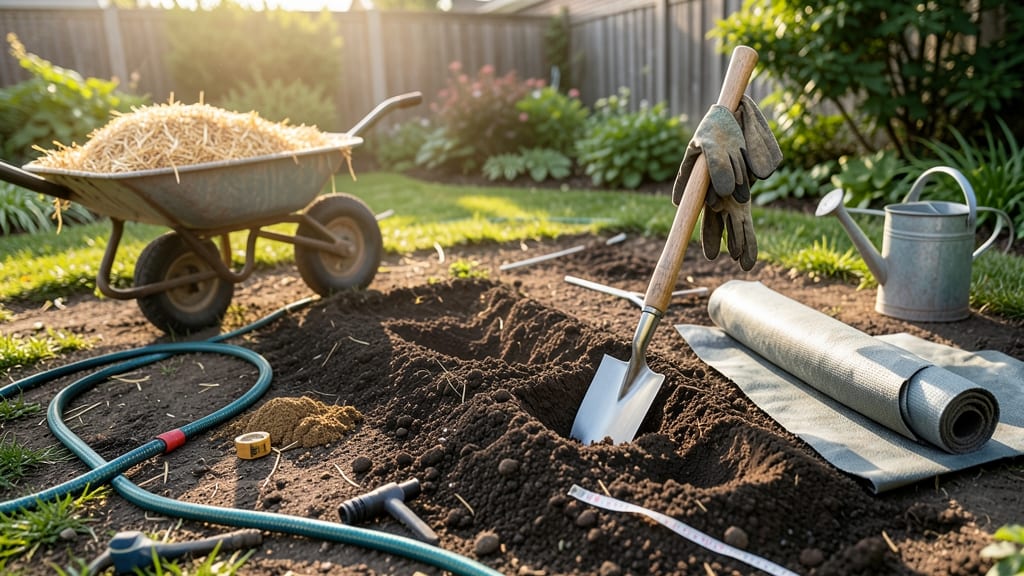
To make a garden bed, select a sunny, flat area, mark the shape with spray paint or string, remove grass/sod, loosen soil to 12 inches deep, and mix in compost for fertility. Avoid tilling if soil is wet to prevent compaction.
Creating a thriving garden bed starts with sunlight exposure and proper soil structure.
Most vegetables and flowers need at least 6-8 hours of direct sunlight daily, so avoid shady corners or areas where trees block light. 🌱 The shape matters too—keep beds wide enough (3-4 feet) so you can reach the center without stepping on the soil, which compacts it.
For poor-quality soil, consider raised beds filled with a mix of topsoil and compost, which gives you more control over drainage and nutrient levels.
Once you've marked your bed's outline, remove any grass or weeds using a sod cutter or sharp spade. Loosening the soil to 12 inches deep breaks up compaction and encourages root growth, but only do this when the ground isn't soggy—wet soil sticks to tools and can create clumps.
Mixing in 2-3 inches of compost adds essential nutrients and improves moisture retention, setting your plants up for success from day one.
💡 In This Article
- Choosing the Perfect Spot and Layout for a Garden Bed
- Soil Preparation Checklist: Tools, Amendments, and Testing
Choosing the perfect spot and layout for a garden bed
Sunlight is the single most critical factor for a productive garden bed. Most vegetables and herbs require 6-8 hours of direct sunlight daily, while leafy greens like spinach or lettuce can thrive with 4-6 hours. 🌞 The reason?
Plants use sunlight for photosynthesis, which converts energy into growth—without enough light, they'll become leggy or produce fewer fruits. Test your spot by observing how much sun it gets over a week.
If nearby trees cast afternoon shade, consider planting sun-loving crops like tomatoes or peppers in the eastern part of the bed where morning sun dominates.
Drainage and soil type go hand-in-hand with sunlight. Clay soil holds too much moisture, leading to root rot, while sandy soil drains too quickly, requiring frequent watering. A simple test: Grab a handful of soil and squeeze it—if it forms a tight ball that doesn't crumble, you've got clay.
If it falls apart instantly, it's sandy. For slopes, create level "terracing" with raised edges to prevent erosion and water runoff. Raised beds solve drainage issues entirely by allowing water to flow through the sides, while in-ground beds rely on natural soil structure.
A 4-foot-wide bed is ideal because it lets you reach the center without stepping on the soil, which compacts it and smashes beneficial microbes.
Layout isn't just about aesthetics—it's about efficiency. Design beds to fit your reach (most adults can comfortably reach 24-30 inches outward) and leave 3-4 feet of walking space between rows for easy maintenance. 🌱 For example, a 4x8-foot bed gives you plenty of growing space while keeping the center accessible.
If your soil is poor, raised beds (built with untreated wood or cinder blocks) let you fill them with a custom mix of 60% topsoil, 30% compost, and 10% perlite or sand for perfect drainage and fertility.
This approach is especially useful in urban areas where native soil is often compacted from foot traffic.
Consider your garden's purpose when planning shapes. Square or rectangular beds maximize space for row crops like carrots or beans, while curved edges create a more natural look and reduce soil compaction at the edges.
Avoid narrow beds (2 feet wide) because they waste space—you'll spend more time walking through them than gardening. For container gardening on patios, use wide, shallow troughs instead of deep pots to mimic in-ground conditions.
The key is balancing aesthetics with functionality, so your garden bed serves both your plants and your lifestyle.
One often-overlooked detail is wind exposure. If your garden faces strong winds, create a windbreak using tall plants like sunflowers or a fence covered with climbing vines.
This protects delicate stems and conserves soil moisture. 🌬️ For example, planting a row of corn along the north side of your bed can shield more sensitive crops like lettuce from drying winds.
The windbreak doesn't have to be permanent—even temporary burlap screens can make a difference during critical growing stages. Paying attention to these microclimates ensures your garden bed thrives year after year.