
Vegetables
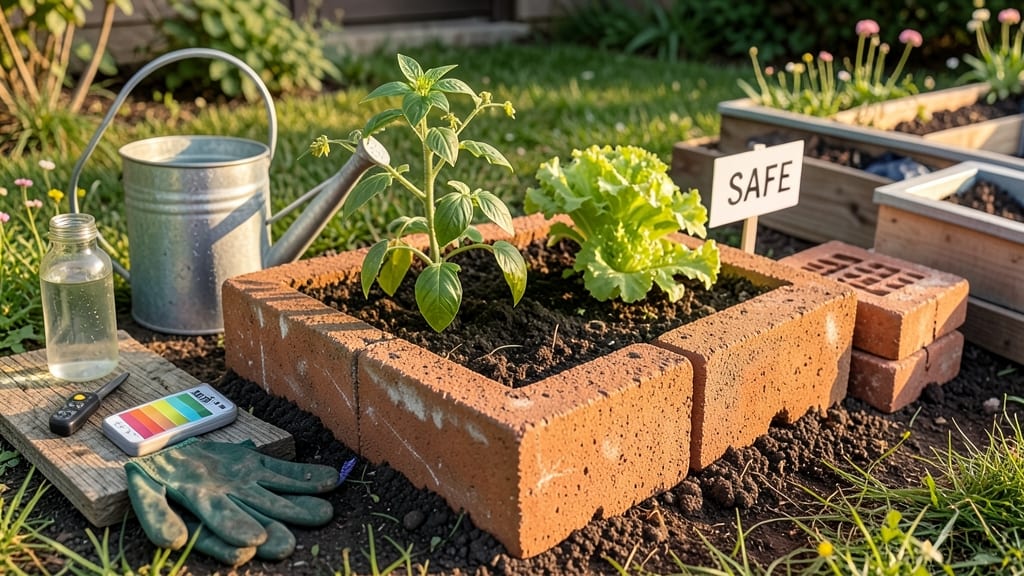
Cinder blocks are generally safe for vegetable gardens when used as raised bed frames, but their alkaline nature can raise soil pH over time, potentially limiting nutrient uptake for acid-loving plants like tomatoes and blueberries. Always balance with organic matter and monitor pH levels.
Using cinder blocks for garden beds offers durability and easy assembly, but their chemical composition can gradually alter soil pH. 🌱 The calcium and magnesium in the blocks leach into the soil over time, creating a more alkaline environment that some vegetables—like beans, Swiss chard, or beets—handle well, while others, such as blueberries or azaleas, may struggle.
To mitigate this, I recommend lining the blocks with landscape fabric and amending the soil with sulfur or peat moss to maintain optimal pH levels for your chosen crops.
For acid-sensitive plants, consider alternative materials like cedar or composite lumber, which won’t affect soil chemistry. If you stick with cinder blocks, regular pH testing and adjustments will keep your garden thriving. The key is proactive management—don’t wait for symptoms like yellowing leaves or stunted growth to appear before acting.
💡 In This Article
- How Cinder Blocks Affect Soil Chemistry in Gardens
- Safe Cinder Block Garden Construction Tips
How cinder blocks affect soil chemistry in gardens
Cinder blocks are made from concrete containing fly ash, limestone, and other alkaline materials that gradually leach into the soil over time. This process raises the pH level—typically from the ideal 6.0-7.0 range to 7.5-8.5—because calcium and magnesium ions dissolve into the soil solution.
The rate depends on block age, moisture levels, and soil type, but measurable pH shifts can occur within 6-12 months of installation. 🔥
The alkaline leaching happens most aggressively during the first year as the concrete's porous surface absorbs water, accelerating chemical breakdown.
For example, a 12-inch-deep raised bed filled with cinder blocks may see pH increases of 0.5-1.5 points annually in sandy soils (which drain quickly) versus 0.2-0.8 points in clay-heavy soils (where moisture lingers). The texture change is subtle—soil may feel slightly grittier—but the chemical impact on plant roots is significant.
Not all vegetables react the same way. Leafy greens like spinach and kale thrive in pH 7.0-7.5 and actually benefit from the extra calcium, which strengthens cell walls. Root crops such as carrots and beets tolerate pH up to 7.8 but may develop bitter flavors.
The real trouble starts with acid-loving plants: blueberries (pH 4.5-5.5 ideal) will show chlorotic leaves and stunted growth, while strawberries (pH 5.5-6.5) produce smaller, less flavorful fruit. 🌱
To visualize the impact, imagine a pH scale where 7.0 is neutral (like distilled water) and each whole number represents a 10x change in acidity/alkalinity. A shift from 6.5 to 7.5 means available nutrients like iron and manganese drop by 90%, while aluminum toxicity (which damages roots) increases.
This explains why tomatoes grown in cinder-block beds often develop yellowing between veins—a classic iron deficiency symptom.
One often-overlooked factor is how moisture affects leaching rates. In dry climates, evaporation slows chemical release, but heavy rainfall or irrigation can flush alkaline minerals deeper into the root zone. For instance, a 1-inch weekly watering in a cinder-block bed might increase leaching by 30% compared to drip irrigation.
The solution? Use moisture barriers like 6-mil polyethylene sheeting between blocks and soil to reduce direct contact.
For gardeners using cinder blocks, the key takeaway is that the impact isn't immediate but cumulative. Start with a soil pH test before installation, then retest annually.
If your garden features acid-loving plants, consider dedicating cinder-block beds to alkaline-tolerant crops like beans, Swiss chard, or squash—these will mask the pH shift while still producing abundant harvests. 💫