
Planting
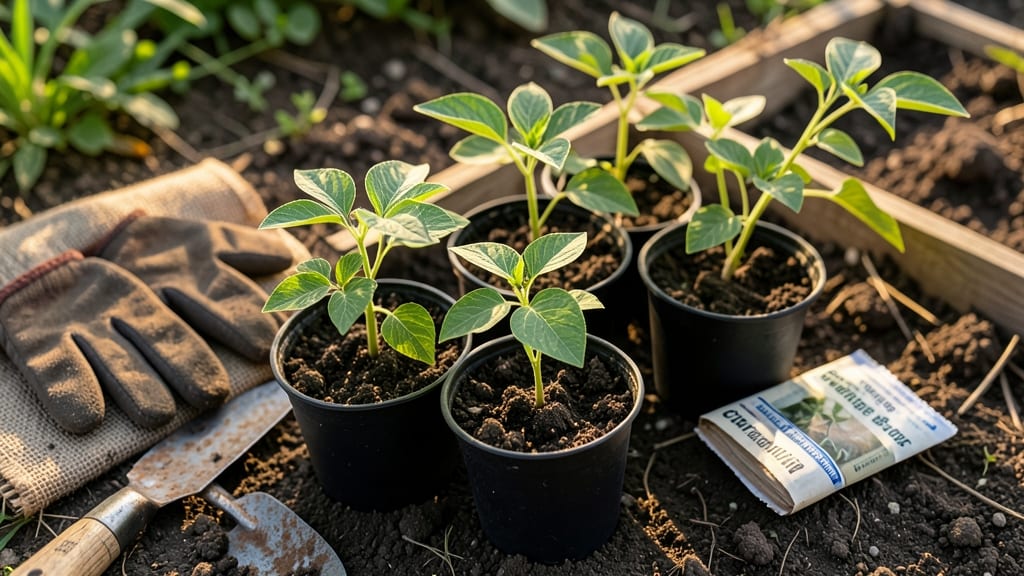
To plant green beans in your garden the right way means starting with soil that’s warm enough and seeds placed just deep enough — both mistakes can turn a fast harvest into a slow one.
Struggling to get your 🌱 green beans to sprout quickly and grow strong? The secret lies in mastering soil depth and timing—two critical factors most gardeners overlook. Too shallow, and they’ll dry out; too deep, and they’ll rot before they even sprout.
In Zone 6a, where spring arrives in April and May, the window to plant is tight. Get it right, and you’ll enjoy fresh beans by July; get it wrong, and you might end up with leggy, weak plants that never produce.
I’ve made those mistakes, and I’m here to help you avoid them.
Below, I’ll walk you through the exact steps for planting—soil prep, spacing, depth, and even the best time to water—so your green beans grow fast and plentiful. No guesswork, just proven results.


Optimal soil depth and planting techniques for green beans
Green beans are one of the easiest vegetables to grow, but their success starts with proper planting depth and soil conditions. Planting too deep or too shallow can delay germination by weeks, while incorrect spacing leads to competition for nutrients.
The key to fast, healthy growth lies in these three critical factors: soil temperature, planting depth, and spacing between seeds.
For maximum germination speed, your soil must reach at least 60°F (15°C). Cold soil slows seed activation, while warm soil (above 70°F/21°C) speeds up sprouting. Test your soil temperature with a soil thermometer before planting—this small step can mean the difference between 7-day sprouts and 3-week struggles.
Most gardeners make the mistake of planting green beans too deep, thinking it protects the seeds. But the truth is, seeds planted 1-2 inches deep germinate fastest. Deeper planting risks rot, while shallower planting exposes seeds to drying out.
Use your finger to create holes just 1 inch deep for bush varieties and 1.5 inches deep for pole beans, which have larger seeds.
Here’s a quick reference for your planting setup:
| Factor | Bush Beans | Pole Beans |
|---|---|---|
| Planting Depth | 1 inch | 1.5 inches |
| Seed Spacing | 4-6 inches apart | 4-6 inches apart |
| Row Spacing | 18-24 inches | 24-36 inches |
| Soil Temp for Planting | 60°F+ (15°C+) | 60°F+ (15°C+) |
| Germination Time | 7-14 days | 7-14 days |
| Sunlight Needs | 6+ hours daily | 6+ hours daily |
Pro Tip: Pole beans need wider row spacing to support trellises or stakes.
Bush beans thrive in compact rows, while pole beans require extra space for their climbing habits. If you’re using trellises or stakes, plant pole beans 6 inches apart and space rows 3 feet apart to accommodate support structures.
This setup not only saves space but also improves air circulation, reducing the risk of fungal diseases like rust.
After planting, keep the soil consistently moist but not soggy. A light layer of mulch (straw or grass clippings) helps retain moisture and regulate soil temperature. Water gently in the morning to avoid fungal spores spreading overnight.
Within 7-14 days, you’ll see tiny sprouts breaking through the soil—this is your reward for getting the depth and timing right!
One common mistake is planting seeds too close together, which leads to overcrowded plants competing for sunlight and nutrients. Thinning seedlings to the recommended spacing (4-6 inches) might seem cruel, but it ensures each plant gets enough resources to grow strong.
Use small scissors to snip unwanted seedlings at soil level, leaving the healthiest ones to thrive.
For faster growth, consider pre-sprouting your seeds indoors 1-2 weeks before the last frost date. Plant them in biodegradable pots filled with damp paper towels, then transplant directly into the garden once they’ve sprouted. This head start gives you a 2-week advantage in the growing season, especially in cooler climates.
Remember, green beans are warm-season crops, so avoid planting them until all danger of frost has passed. If you live in a region with short summers, opt for early-maturing varieties like ‘Blue Lake’ or ‘Contender’ to maximize your harvest before fall temperatures drop.
With these techniques, you’ll enjoy plump, flavorful green beans in just 50-60 days—far faster than most gardeners achieve! The secret? Paying attention to those small details like depth, spacing, and soil warmth makes all the difference. Happy planting! 🌱
Step-by-step green bean planting schedule by climate zone
Timing is everything when it comes to growing green beans—plant too early, and frost will kill your seedlings; too late, and you’ll miss the sweetest harvest. Since USDA zones 3-11 experience wildly different frost patterns, I’ve created a zone-specific planting schedule to help you maximize your yield.
Whether you’re in cold northern climates or warm southern regions, these guidelines will ensure your beans thrive.
Green beans are warm-season crops that need soil temperatures above 60°F (15°C) to germinate properly. Most gardeners make the mistake of planting too soon, only to watch their seeds rot in cold soil. The key is to wait until the last frost date has passed and the ground has warmed.
For succession planting, you can often make 2-3 plantings spaced 2 weeks apart to stretch your harvest season.
🌱 Numbered Highlights: Zone-Specific Green Bean Planting Schedule
- 📅 Zones 3-5 (Cold Climates): Plant after May 15 when soil reaches 65°F+. Use black plastic mulch to warm soil faster. First frost risk: September 15.
- 🌱 Zones 6-8 (Temperate): Start April 15-May 1 (after last frost). Ideal soil temp: 60-70°F. Second planting: June 15 for late summer harvest.
- ☀️ Zones 9-11 (Hot Climates): Plant February-March or August-September to avoid summer heat stress. Use shade cloth if temps exceed 90°F.
- ⏰ Succession Planting Tip: For continuous harvest, sow new seeds every 2-3 weeks until 60 days before first frost.
- ❄️ Frost Protection: If late-season planting risks frost, cover with row covers or plant pole beans (they mature faster than bush types).
For northern gardeners in zones 3-5, I recommend starting seeds indoors 4-6 weeks before your last frost date to give them a head start. Use biodegradable pots so you can transplant seedlings without disturbing their roots.
In warmer zones (9-11), focus on early spring and fall plantings to avoid the scorching summer heat that can cause beans to bolt prematurely.
One of my favorite tricks is using succession planting to keep the harvest going all season. For example, in zone 7, I plant my first batch around April 15, a second batch May 15, and a final one June 15.
This ensures I have fresh beans from June through September. If you’re growing pole beans, which take longer to mature, you can even extend this to a third planting in early July.
Don’t forget to monitor your local frost dates—they’re your best guide for timing. Most USDA zone maps provide this info, but you can also check with your local cooperative extension office for hyper-local advice.
And if you’re unsure whether your soil is warm enough, use a soil thermometer—it’s a game-changer for avoiding cold-soil failures.
With the right timing, your green beans will thrive whether you’re in Minnesota’s short growing season or Florida’s long, warm one. The key is patience and planning—wait for the right moment, and your beans will reward you with a bountiful harvest. Happy planting! 🌱