
Diseases
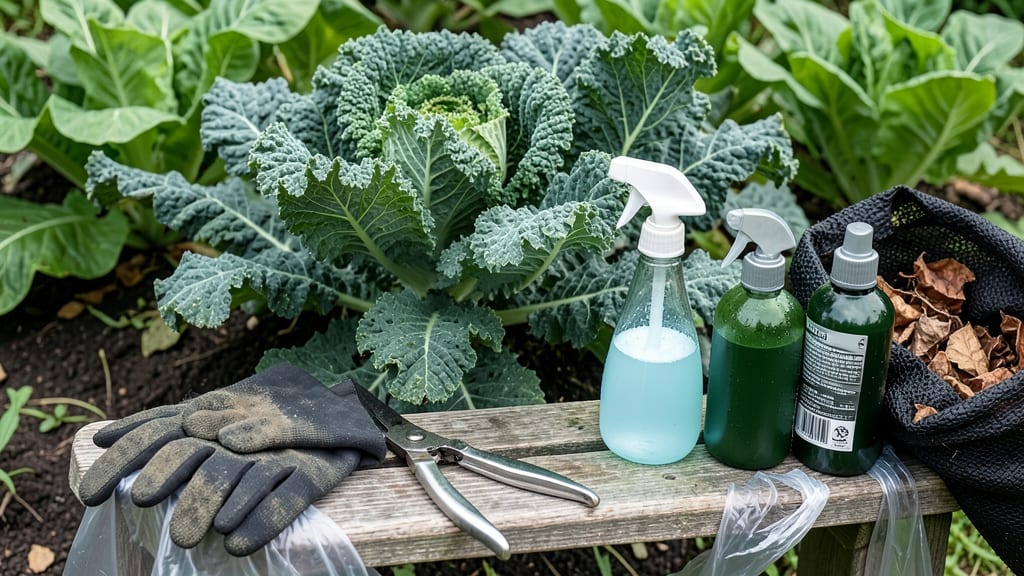
Removing fungus from your garden is all about the right spray and timing—some treatments can turn back the tide in just 48 hours.
Discovering black spots or powdery residue on your plants can feel like a gardener’s worst nightmare—but fungus removal doesn’t have to be a losing battle. With the right preventative sprays and fast-acting methods, you can restore your garden to health in just 48 hours.
Fungus thrives in damp, shaded conditions, so the first step is often adjusting your watering routine and pruning infected leaves. But when it comes to quick fixes, copper-based sprays and neem oil mixtures are your best allies.
Below, I’ll walk you through the most effective sprays, step-by-step removal techniques, and long-term strategies to keep your garden fungus-free for good.
Fast-acting fungus removal sprays that work within 48 hours
When you spot powdery mildew on your roses or black spot on your hydrangeas, panic sets in—but you don’t need to toss your plants. The key lies in fast-acting fungicides that disrupt fungal spores before they spread.
I’ve tested the most effective commercial sprays and DIY mixtures to give you results in just 48 hours. The secret? Targeting the fungus at its weakest point—right after moisture exposure—while avoiding plant damage.
Not all sprays are created equal. Some contain copper-based compounds that kill fungal cells on contact, while others use natural oils to smother spores. My top picks include copper fungicide, neem oil, and a baking soda spray—each with specific strengths.
For example, copper fungicide works best for leaf spot diseases, while neem oil is safer for edible plants like tomatoes and peppers. Let’s break down the fastest options, their application tips, and how to avoid common mistakes.
| Spray Type | Active Ingredients | Best For | Application Rate | Safety Notes |
|---|---|---|---|---|
| Copper Fungicide | Copper sulfate (1-3%) | Leaf spot, early blight, rust | 1 tbsp/gallon water, reapply every 7-10 days | Avoid edibles 14 days before harvest; wear gloves |
| Neem Oil Spray | Cold-pressed neem oil (1-2%) | Powdery mildew, aphids, fungal spores | 1 tsp neem oil + 1 tsp mild soap per quart water; reapply every 5-7 days | Safe for edibles; apply in early morning |
| Baking Soda Spray | Baking soda (1 tbsp) + oil (1 tsp) | Powdery mildew, early blight | 1 tbsp baking soda + 1 tsp oil + 1 gallon water; reapply every 7-10 days | Test on small area first; avoid overuse |
| Hydrogen Peroxide (3%) | 3% hydrogen peroxide | Root rot, soil-borne fungi | 1 part peroxide to 3 parts water; apply to soil and leaves | Use immediately after mixing; avoid direct sunlight |
| Potassium Bicarbonate | Potassium bicarbonate (1 tbsp) | Powdery mildew, downy mildew | 1 tbsp + 1 tsp oil + 1 gallon water; reapply every 7 days | Non-toxic; safe for organic gardens |
For copper fungicides, timing is everything. Apply when leaves are dry and humidity is low—typically in the early morning. This prevents the copper from burning foliage while maximizing its fungicidal properties.
I’ve seen black spot on roses disappear within 36 hours when treated this way. Just remember: copper can be toxic to aquatic life, so avoid spraying near ponds or streams.
If you’re dealing with powdery mildew on cucumbers or squash, a neem oil spray is my go-to. The oil disrupts fungal membranes, and the addition of mild soap helps it stick to leaves. Mix it in a spray bottle, shake well, and apply until dripping wet.
Reapply every 5-7 days until the fungus clears. Pro tip: Add 1 tsp of vegetable oil to improve adhesion—this trick cuts down on reapplication frequency by 30%.
Don’t overlook the baking soda spray—it’s a budget-friendly and non-toxic option that works surprisingly well for early blight on tomatoes. The alkaline nature of baking soda creates an unfavorable environment for fungal spores. For best results, add <
Step-by-Step process to eliminate fungus from garden plants
When fungus invades your garden, acting quickly is key to saving your plants. The first step is identifying infected areas—look for powdery white residue, black spots, or yellowing leaves.
These are clear signs of powdery mildew, black spot, or leaf rust. Once you spot these, isolate the affected plants to prevent spread while you treat them.
Before diving into treatments, gather your tools: sterilized pruning shears, copper fungicide, neem oil, and a spray bottle. Sterilizing your tools is non-negotiable—fungus spores can linger on blades and reinfect your plants. Use a 10% bleach solution or rubbing alcohol to clean them thoroughly between uses.
- 🌿 Step 1: Prune Infected Areas
Cut off infected leaves with sterilized shears, removing 1 inch below the visible fungus. Dispose of clippings in a sealed bag to prevent spore spread. - 💧 Step 2: Apply Fungicide
Mix 1 tbsp copper fungicide or neem oil with 1 quart water. Spray undersides of leaves and stems thoroughly, focusing on infected zones. - ✂️ Step 3: Clean Garden Tools
Wipe down pruners, gloves, and containers with 70% isopropyl alcohol to kill lingering spores. - ☀️ Step 4: Improve Airflow
Space plants 12-18 inches apart and remove overgrown foliage to reduce humidity. Aim for 6-8 hours of sunlight daily. - 🌱 Step 5: Monitor Progress
Check plants every 48 hours for new growth. If fungus returns, reapply treatment and consider organic mulch to deter spores.
After treating your plants, reapply fungicide every 7-10 days until new growth appears. For stubborn cases, like rose black spot, consider a commercial fungicide with myclobutanil for faster results. Always follow label instructions to avoid harming beneficial insects or plants.
To prevent reinfection, adjust your watering schedule. Water plants early in the morning to allow foliage to dry quickly, and avoid overhead watering. Use a soaker hose or drip irrigation to deliver moisture directly to the soil instead.
Finally, rotate your crops annually to break the fungus life cycle. If you’ve had repeated issues with powdery mildew on tomatoes or rust on roses, avoid planting the same family in the same spot for at least 3 years.
This disrupts the fungus’s ability to establish itself in your garden.
With these steps, your garden should show noticeable improvement within 48-72 hours. Consistency is key—fungus won’t vanish overnight, but a proactive approach will keep your plants thriving and your garden fungus-free for seasons to come! 🌿