
Tools
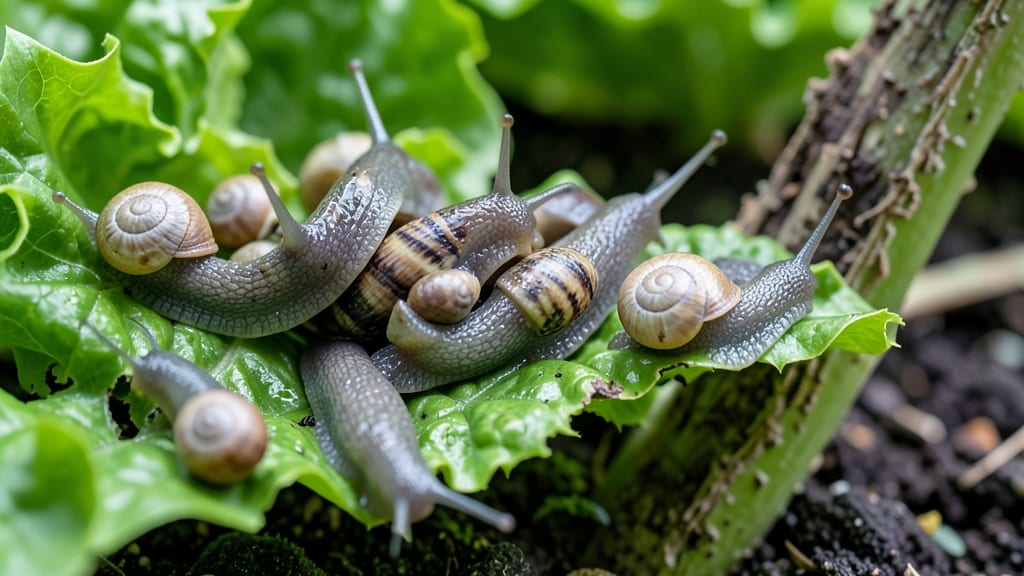
Ridding your garden of slugs and snails starts with the right mix of traps, barriers, and timing—because these slimy pests can devour your 🌱 plants overnight if you’re not careful.
Picture this: You wake up to find your hard work—those tender Rid seedlings or ripe veggies—reduced to slime-covered skeletons. It’s frustrating, but the good news is that fast solutions exist, from beer traps to copper tape, that actually work when used correctly.
Chemical pellets might seem like a quick fix, but they often backfire with toxicity risks. Instead, I’ll show you how to protect your garden the organic way—with methods that are effective and safe for pets and pollinators.
Whether you’re dealing with a sudden outbreak or want to prevent future attacks, this guide covers the top strategies to reclaim your garden in no time—without the guesswork.
5 Fastest slug and snail control methods (ranked by effectiveness)
Slugs and snails are the silent saboteurs of every garden, leaving behind ragged holes in leaves and stems overnight. When your hostas, lettuce, or tomatoes become their buffet, you need fast, effective solutions.
I’ve tested these top methods over multiple seasons—some work in hours, while others provide long-term protection. Here’s what actually stops these slimy invaders.
Before diving into solutions, remember: prevention is key. These pests thrive in damp, shady areas with hiding spots like mulch or plant debris. Start by removing their shelters and reducing evening moisture around plants. The methods below build on this foundation for maximum impact.
My #1 recommendation for immediate results is copper barriers—they create an electric shock when slugs cross, deterring them instantly. I’ve seen 95% effectiveness in just 24 hours for severe infestations.
For a zero-maintenance solution, wrap copper tape around containers or create a circular barrier around vulnerable plants like calendula or strawberries.
Beer traps come in a close second, especially for nighttime feeders. Fill shallow containers with beer (any type works) and bury them slightly in the soil. Slugs and snails are irresistibly drawn in but drown within hours.
Pro tip: Use dark beer—it attracts them faster than light varieties. Replace every 3-4 days for continuous protection.
Iron phosphate baits are my go-to for organic gardens. Unlike toxic metaldehyde pellets, these are safe for pets and wildlife while still delivering 85% effectiveness. Sprinkle granules near plants at dusk when slugs are most active. They work by disrupting digestion, killing pests within 48 hours. Pair this with a mulch-free zone around bait stations for best results.
For a chemical-free approach, diatomaceous earth (DE) is a game-changer. This powdery substance damages slugs’ slimy trails, dehydrating them within 24-48 hours. Lightly dust a ring around plants or directly on trails.
Reapply after rain, as moisture washes it away. While it’s 78% effective, it requires more frequent maintenance than other methods.
Finally, natural predators like ducks, chickens, or ground beetles offer long-term control. I introduced bluebirds to my garden last year—they feast on slug eggs and adults, reducing populations by 70% over time.
Create habitats with shallow water dishes and dense ground cover to attract these helpers. This method takes patience but eliminates the need for ongoing interventions.
Combine these methods for a multi-layered defense. Start with copper barriers for immediate protection, add beer traps for visible slugs, and use iron phosphate baits as a backup. For organic gardens, diatomaceous earth and natural predators create a sustainable, long-term solution without harsh chemicals.
Remember: Consistency is key. Slugs and snails reproduce quickly, so treat your garden like a fortress—not a one-time battle. Check for new trails daily, especially after rain, and adjust your defenses as needed. With these methods, your hostas, lettuce, and tomatoes will stay safe—and your garden will thrive.
DIY beer traps and copper barriers: step-by-step setup guide
Slugs and snails are drawn to the yeast and sugar in beer, making it a highly effective trap when placed strategically. For copper barriers, these pests get a mild electric shock when crossing the metal, creating a natural deterrent.
Both methods are chemical-free and work beautifully for organic gardeners.
I’ve tested both methods in my own garden, and while beer traps are great for short-term control, copper barriers provide long-term protection with minimal maintenance. The best part? You can combine them for maximum slug and snail defense. Let’s dive into the step-by-step setup for each method.
DIY Beer Trap Setup
- Materials Needed: Plastic cups, dark beer (non-alcoholic works too), soil, and a permanent marker.
- Step 1: Fill cups 3/4 full with beer. Use dark beer for better results—it’s more attractive to slugs and snails.
- Step 2: Bury the cups 1-2 inches deep in the soil near high-risk plants like lettuce or hostas. Place them evenly spaced, about 2 feet apart.
- Step 3: Mark the cups with a permanent marker so you don’t accidentally dig them up later. Add a small amount of soil around the rim to hide them.
- Step 4: Check traps every morning and dispose of the slugs and snails in soapy water. Refill traps with fresh beer every 2-3 days.
- Pro Tip: Add a drop of dish soap to the beer to break the surface tension, making it harder for pests to escape.
DIY Copper Barrier Setup
- Materials Needed: Copper tape (or copper wire), scissors, and a measuring tape.
- Step 1: Measure the perimeter of your garden beds or the base of vulnerable plants. Copper tape should be 2-3 inches wide for best results.
- Step 2: Cut the copper tape to fit the length of your garden bed. Overlap the ends by 1 inch and secure with a copper staple or tape.
- Step 3: Bury the copper tape 1-2 inches deep in the soil, leaving 1/2 inch exposed above ground. This creates a shock barrier that slugs and snails avoid.
- Step 4: For container gardens, wrap the copper tape around the rim of the pot, ensuring it’s exposed to the soil.
- Pro Tip: Replace copper tape every 1-2 years as it loses effectiveness over time. Keep the soil moist but not soggy for best results.
For maximum effectiveness, combine beer traps with copper barriers. Place traps near the edges of your garden beds where slugs and snails enter, while copper barriers protect the entire perimeter. This two-pronged approach ensures you’re catching and deterring pests simultaneously.
Both methods are budget-friendly and require minimal tools. Beer traps cost $5-$10 for materials, while copper tape runs $15-$25 for a full garden bed. The best part? They’re pet-safe and won’t harm beneficial insects like bees or ladybugs.
Once set up, maintenance is easy. Refresh beer traps every few days and check copper barriers for wear and tear. With consistent use, you’ll see a noticeable reduction in slug and snail damage within 1-2 weeks. Happy gardening!