
Vegetables
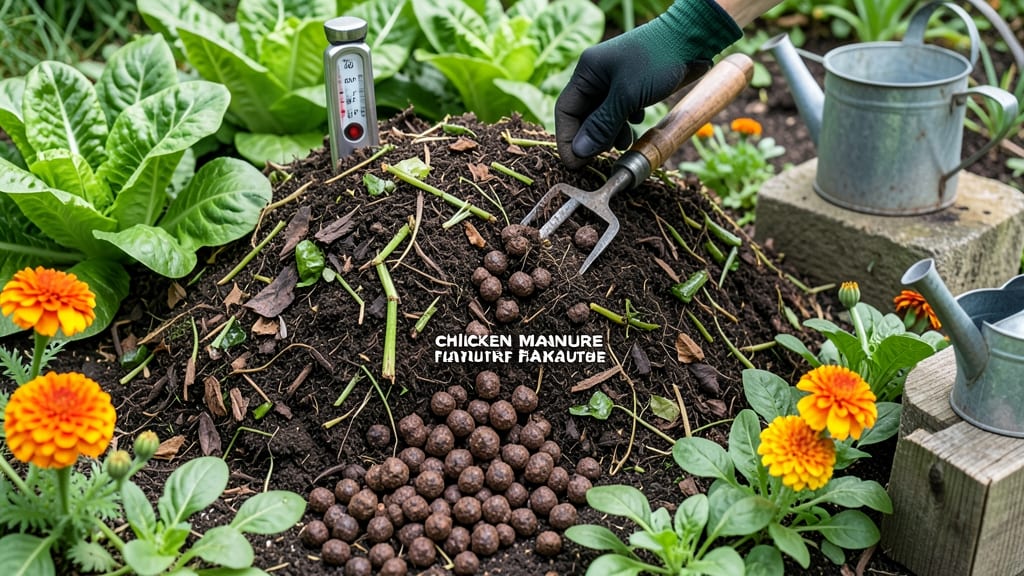
Chicken poop is good for gardens when composted properly, providing rich nitrogen, phosphorus, and potassium, but fresh droppings can burn plants and spread pathogens like salmonella. Always compost for 6-12 months before use.
When properly processed, chicken manure transforms into a powerhouse fertilizer packed with essential nutrients that boost plant growth. 🌱 The high nitrogen content promotes lush foliage, while phosphorus strengthens root systems, and potassium enhances overall plant resilience.
However, fresh droppings are far too potent—direct application can scorch plant roots and introduce harmful bacteria. I've seen gardeners achieve amazing results by aging the manure in compost piles, where it breaks down safely while retaining its nutritional benefits.
For those new to using chicken manure, start with well-aged compost mixed into soil or create a "manure tea" by steeping composted material in water for a few days. This diluted form gives you control over nutrient strength while still providing those garden-boosting benefits.
Just remember: patience is key—rushing the composting process can turn a potential garden helper into a harmful agent.
💡 In This Article
- Nutrient Composition of Chicken Manure for Soil Health
- Safe Ways to Use Chicken Poop in Gardening
Nutrient composition of chicken manure for soil health
Chicken manure is one of nature's most nutrient-dense fertilizers, containing roughly 1-3% nitrogen, 1-2% phosphorus, and 0.5-1% potassium by weight—far richer than cow manure or horse manure. The nitrogen comes primarily from uric acid in chicken waste, which breaks down into ammonia during composting.
This high nitrogen content makes it ideal for leafy greens like lettuce and spinach, but requires careful handling to avoid over-fertilizing. The phosphorus boosts root development, while potassium strengthens cell walls, helping plants resist disease and drought.
What makes chicken manure unique is its carbon-to-nitrogen ratio (C:N) of about 10:1 to 20:1, which is much lower than ideal compost (typically 25:1 to 30:1).
This means it decomposes quickly but can generate excessive heat if not managed properly. 🌱 When composted correctly, the manure transforms into a crumbly, dark brown material with an earthy aroma—nothing like the pungent smell of fresh droppings.
The microbial activity during decomposition also creates beneficial fungi and bacteria that improve soil structure, making it more porous and better at retaining moisture.
Compared to synthetic fertilizers, chicken manure offers a more balanced nutrient profile without the risk of chemical buildup. A 1-gallon bucket of well-composted chicken manure contains roughly 1.5-3 pounds of nitrogen, equivalent to about 10-20 pounds of synthetic ammonium nitrate.
However, the organic matter in manure also improves soil texture and water retention—something synthetic fertilizers can't replicate. The key difference is that manure releases nutrients slowly over time, reducing the risk of plant burn that often occurs with chemical fertilizers.
One critical factor is the presence of micronutrients like calcium, magnesium, and sulfur, which are often lacking in synthetic blends. These trace elements support enzyme activity in plants and contribute to overall vigor.
For example, calcium in chicken manure helps prevent blossom-end rot in tomatoes—a common problem that stems from calcium deficiency. The sulfur content also aids in chlorophyll production, giving plants their characteristic green color.
However, these benefits only materialize when the manure is properly aged, as fresh droppings contain high concentrations of ammonia that can damage plant roots.
For vegetable gardens, the nutrient profile makes chicken manure particularly valuable for heavy feeders like corn, squash, and brassicas. A 2-inch layer of composted manure worked into the top 6 inches of soil can provide enough nutrients for an entire growing season.
The organic matter also enhances soil tilth, making it easier to work with and reducing compaction. This is especially beneficial in clay soils, where the manure's fibrous structure helps break up dense particles and improve drainage.
What most gardeners don't realize is how the composting process transforms the manure's chemical structure. Fresh chicken poop contains uric acid crystals that irritate plant roots, but during composting, these convert into more plant-available forms like ammonium and nitrate.
The temperature in a properly managed compost pile reaches 130-160°F, which kills pathogens like E. coli and salmonella while accelerating decomposition. This thermal process also eliminates weed seeds that might be present in the original droppings.