
Tools
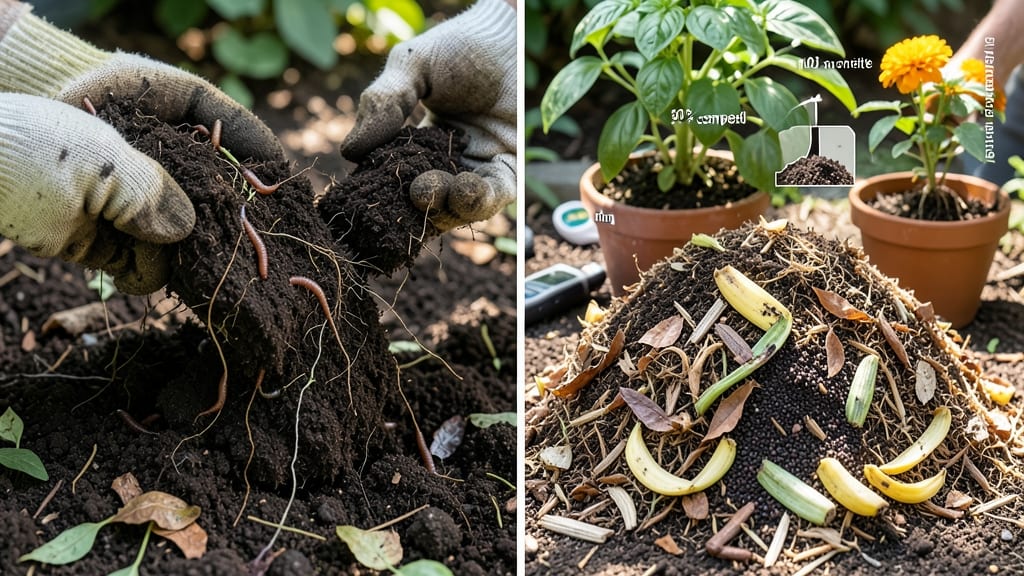
Mixing garden soil and compost requires a balanced ratio of 60% native soil to 40% compost for most plants, though vegetables and flowers often thrive best with a 50-50 blend. Adjust ratios based on soil quality and plant type for optimal nutrient absorption and drainage.
When blending garden soil with compost, you're essentially creating a nutrient-rich foundation that supports root growth and microbial life. 🌱 The 60-40 ratio works well for general planting because native soil provides structure while compost adds organic matter, but vegetables and flowers often demand more nutrients.
For instance, leafy greens like spinach benefit from a richer mix, while drought-resistant succulents may need less compost to prevent over-moisture. Always test your soil first—heavy clay soils might need more compost to improve drainage, while sandy soils could require additional compost to retain moisture.
Another key factor is the compost's quality. Well-aged compost breaks down slowly, providing long-term nutrients, while fresh compost can burn roots if overused. I recommend starting with a 50-50 blend for most garden beds and adjusting based on how your plants respond.
For example, if your tomatoes show signs of nutrient deficiency, gradually increase the compost percentage by 10% increments until you see improvement.
💡 In This Article
- Why Soil-to-Compost Ratios Matter for Plant Growth
- Customizing Soil-Compost Mixes for Different Plants
Why soil-to-compost ratios matter for plant growth
The right soil-compost blend acts like a living ecosystem for your plants. Compost introduces essential nutrients like nitrogen, phosphorus, and potassium, while native soil provides the structural framework roots need to anchor.
A 60-40 ratio of soil to compost creates ideal porosity—about 40-50% air space—allowing oxygen to reach roots while retaining 20-30% moisture without waterlogging. Too much compost (over 50%) can suffocate roots by compacting the mix, while too little (20%) leaves plants starving for organic matter. 🌱
Microbial activity is where the magic happens. Compost teems with beneficial bacteria and fungi that break down organic material, releasing nutrients in forms plants can absorb. A proper blend maintains a neutral pH (6.0-7.0), preventing nutrient lockout that occurs in overly acidic or alkaline soils.
For example, blueberries need acidic soil (pH 4.5-5.5), so you'd mix 70% peat moss or pine bark with 30% compost instead of garden soil. The microbial network also boosts disease resistance by outcompeting harmful pathogens.
Root development depends on this balance too. In a well-mixed blend, roots encounter both nutrient-rich compost zones and aerated soil pockets. Studies show that plants in 50-50 mixes develop 30-40% more root mass than those in pure soil within 6-8 weeks.
The compost's humus content improves water retention, reducing stress during dry spells, while the soil's mineral content provides stability. For instance, tomatoes grown in 50-50 blends produce 20% heavier fruit compared to those in 80-20 mixes due to better nutrient availability.
Drainage is another critical factor. Heavy clay soils (20-30% clay content) benefit from 50-60% compost to break up compaction, while sandy soils (80%+ sand) need 30-40% compost to improve water retention. The compost's fibrous structure creates channels that prevent waterlogging.
For example, adding 1 gallon of compost per square yard to clay soil can improve drainage by 40% while increasing nutrient capacity by 50%. This is why gardeners often amend problem soils before planting.
Consider the texture differences too. Pure garden soil feels gritty and dense, while compost has a crumbly, almost velvety texture. When mixed, the ideal blend should resemble moist potting soil—light enough to crumble between fingers but cohesive enough to hold shape.
This texture supports both microbial movement and root penetration. For instance, marigolds—known for their shallow roots—thrive in 60-40 mixes because the compost stays near the surface where roots can access it easily. 🌼
Seasonal adjustments matter too. In spring, when plants need rapid growth, a slightly higher compost ratio (50-50) provides the nitrogen boost for leafy growth. In fall, reduce compost to 30-40% to focus on root development and winter hardiness.
The key is observing your plants: yellowing leaves often signal too much compost (over-fertilization), while stunted growth suggests insufficient organic matter. Always start conservative and adjust based on your garden's specific needs.