
Tools
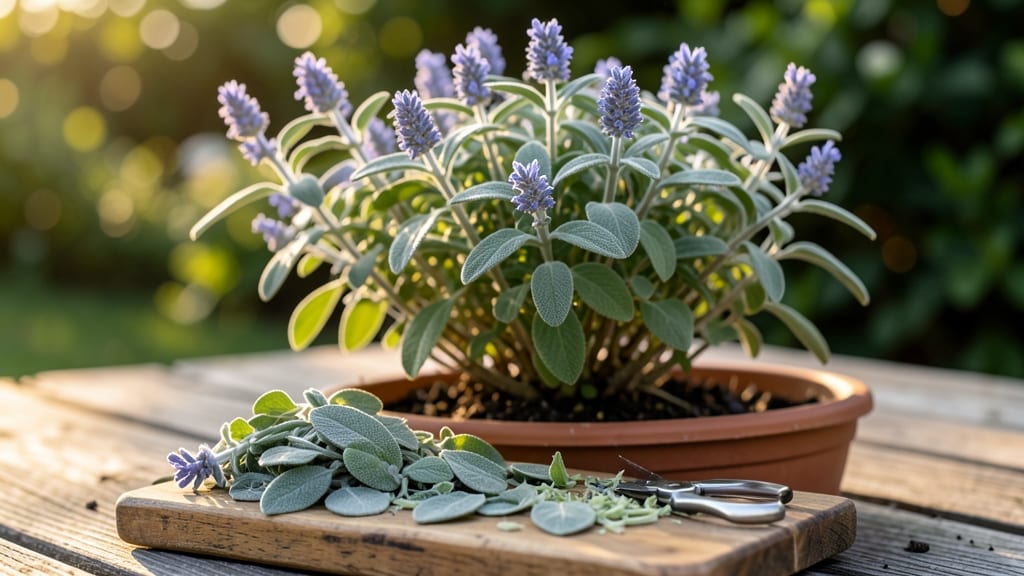
Yes, garden sage is edible and completely safe when consumed in normal culinary amounts, thanks to its aromatic leaves that shine in cooking, herbal teas, and natural remedies. For peak flavor, pick leaves before the plant flowers, while being mindful that excessive intake may expose you to trace thujone compounds.
Garden sage isn't just safe to eat—it's a kitchen staple with a rich history in both savory dishes and traditional medicine. 🌿 The leaves contain antioxidants and anti-inflammatory properties, which is why they're often used in Italian and French cuisine for meats like pork or poultry.
What's fascinating is how its flavor profile evolves: fresh leaves offer a bright, peppery note, while dried sage develops a deeper, earthier taste perfect for stuffing or seasoning gravies.
For those curious about non-culinary uses, sage leaves can also be infused in oils or vinegars to create homemade remedies for sore throats or digestive support.
Just remember: while sage is generally safe, moderation is key—especially if you're pregnant, nursing, or have epilepsy, as thujone (a compound in sage) could interact with medications or health conditions.
💡 In This Article
- Sage Plant Safety: Toxicity Levels and Culinary Limits
- Top Ways to Use Edible Sage in Kitchen and Home
Sage plant safety: toxicity levels and culinary limits
Garden sage belongs to the Salvia genus, specifically Salvia officinalis, which is botanically classified as non-toxic to humans when consumed in culinary amounts. The key to its safety lies in its thujone content—a naturally occurring compound also found in other herbs like rosemary and thyme.
While thujone has historically been associated with potential neurotoxic effects, modern research shows that garden sage contains only trace amounts (0.05-0.1 mg per gram of dried leaves), far below levels considered harmful in everyday cooking.
The real concern arises with excessive consumption. For context, a typical culinary dose might include 1-2 teaspoons of dried sage or 3-4 fresh leaves per dish.
Studies suggest that consuming more than 1 gram of thujone per day over prolonged periods could pose risks, though this would require eating 10+ grams of dried sage daily—far beyond normal usage. 🌿 In comparison, rosemary contains slightly higher thujone levels (0.1-0.3 mg/g) but is also considered safe in cooking, demonstrating how context matters in herbal safety.
What makes sage uniquely safe is its low bioavailability—meaning your body absorbs only a fraction of the thujone present. When you cook sage (especially in oils or long-simmered dishes), the heat actually reduces thujone levels by up to 30% through volatilization.
This is why sage-infused oils or slow-cooked sauces are particularly safe options. The European Food Safety Authority (EFSA) has classified sage as generally recognized as safe (GRAS) when used as a food seasoning, further validating its culinary reputation.
Special populations should exercise extra caution. Pregnant or nursing individuals should limit intake to food amounts only, as thujone may have mild uterine-stimulating effects at high doses. Those with epilepsy should consult a doctor, since thujone is a known GABA antagonist—though again, culinary doses pose negligible risk.
For everyone else, sage's safety profile is excellent, with zero reported cases of poisoning from normal food preparation methods.
To put this into perspective, let's compare sage to other common herbs. While wild sage varieties (like Salvia nemorosa) may contain higher thujone levels, garden sage (Salvia officinalis) is specifically cultivated for low toxicity.
Even in traditional medicine, sage has been used for centuries in 1-2 teaspoon daily doses for digestive aid or sore throat relief without incident. The key takeaway? Sage's safety isn't about avoiding it entirely—it's about using it wisely, just like any potent herb in your kitchen.
For those concerned about thujone, focus on moderation and diversification. Rotate sage with other herbs (like thyme or oregano) to balance exposure, and always source your sage from reputable growers.
The USDA confirms that commercially grown garden sage meets strict safety standards, making it one of the most reliable herbs for both cooking and herbal preparations. 💛