
Tools
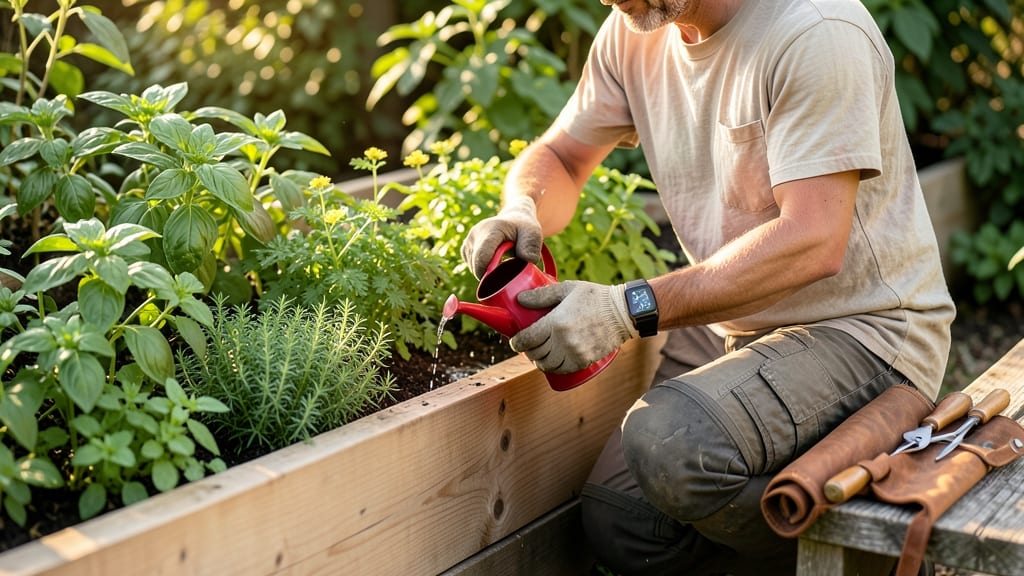
Gardening is considered exercise because it engages multiple muscle groups, elevates heart rate, and burns calories—typically 200-400 per hour, depending on intensity. Activities like digging, lifting, and weeding provide moderate physical activity benefits similar to light cardio or strength training.
When you think about exercise, gardening might not be the first activity that comes to mind—but it absolutely qualifies. 🌱 The repetitive motions of planting, raking, and hauling bags of soil work your arms, legs, and core while keeping your heart rate elevated.
Studies show that even light gardening can burn as many calories as a brisk walk, making it a sneaky way to stay active without hitting the gym. Plus, the mental benefits of being outdoors add another layer of wellness that traditional workouts often miss.
What makes gardening especially effective is how it combines strength and endurance. Tasks like pulling weeds or carrying pots of plants engage your upper body, while kneeling and bending work your lower body and improve flexibility.
The key to maximizing these benefits is consistency—even 30 minutes of focused gardening a few times a week can contribute to your weekly activity goals. Just remember to pace yourself and use proper form to avoid strain.
💡 In This Article
- How Gardening Qualifies as Physical Activity
- Maximizing Gardening Workouts for Fitness
How gardening qualifies as physical activity
Gardening meets the criteria for exercise because it demands sustained physical effort across multiple muscle groups. When you dig into the soil, your legs and glutes engage to stabilize your body, while your arms and shoulders work to lift and maneuver the shovel.
Studies from the American Journal of Preventive Medicine show that digging can burn 240-320 calories per hour, comparable to a brisk walk but with added strength benefits. The repetitive bending and reaching motions also activate your core, similar to how planks work your abdominal muscles—just with more dynamic movement.
The heart rate elevation comes from the combination of continuous motion and resistance. Tasks like hauling bags of mulch or pulling stubborn weeds create resistance that forces your cardiovascular system to work harder, often raising your heart rate to 50-65% of its maximum capacity—the range recommended for moderate-intensity exercise.
For comparison, a 30-minute yoga session typically burns 150-200 calories, while the same time spent weeding can exceed 250 calories due to the added resistance from soil and plant roots. The key difference is that gardening adds progressive resistance naturally through the physical environment.
What makes gardening unique is how it blends aerobic and anaerobic elements. Aerobic activities (like walking between rows) keep your heart rate elevated, while anaerobic bursts (like lifting heavy pots) build muscle endurance.
This dual benefit mirrors the effects of circuit training in gyms, where you alternate between cardio and strength exercises. The outdoor setting also adds an element of interval training—your body constantly adjusts to changing tasks, preventing plateaus that can occur with repetitive gym machines. 🌿
The metabolic demand varies based on task intensity. Light gardening (like pruning or watering) burns 150-200 calories/hour, while heavy-duty work (digging trenches or moving large rocks) can reach 400+ calories/hour.
This variability makes gardening adaptable to different fitness levels—beginners can start with lighter tasks, while advanced gardeners can increase resistance by working with heavier soil or steeper terrain. The American Heart Association classifies these activities as "moderate physical activity", aligning gardening with the same health benefits as structured workouts.
One often-overlooked aspect is the posture challenge gardening presents. Maintaining proper form while bending, kneeling, or reaching requires constant core engagement, similar to how Pilates emphasizes body alignment. However, poor posture can turn gardening into a strain rather than a workout.
This is why ergonomic techniques—like using knee pads, lifting with your legs, and taking frequent breaks—are crucial for maximizing benefits while minimizing injury risk. The physical demands create a full-body workout that few structured exercises can match in terms of functional movement.
Research published in the Journal of Physical Activity and Health found that gardeners who incorporated 2-3 hours of weekly gardening showed improvements in cardiovascular health comparable to those who walked 5 miles per week. The difference?
Gardening's ability to engage muscles in functional patterns—movements that translate directly to daily activities like carrying groceries or playing with kids. This functional fitness is what makes gardening not just an exercise, but a lifestyle activity that improves both physical and mental well-being. 💪