
Tools
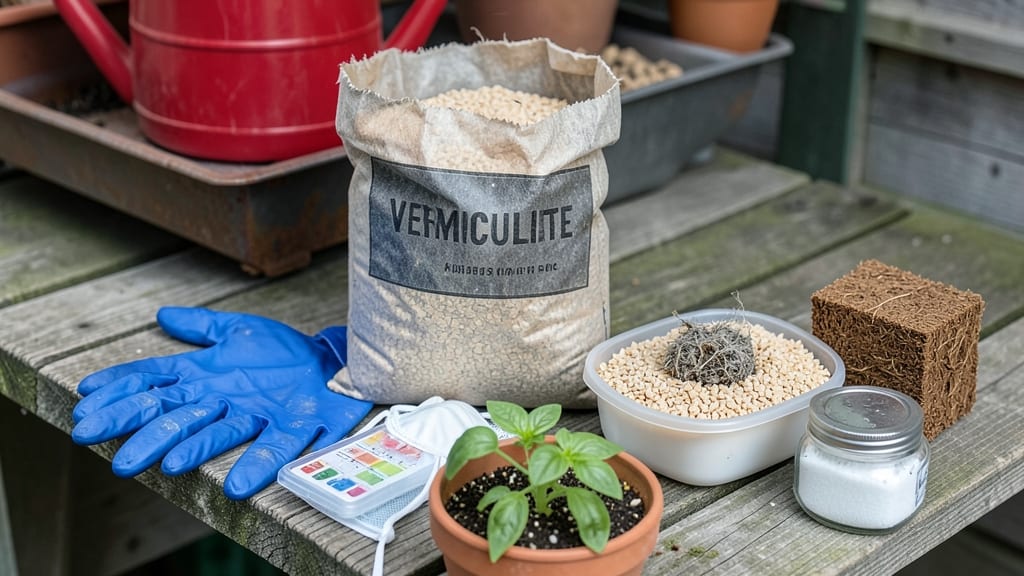
Vermiculite is dangerous in gardening when contaminated with asbestos, a known carcinogen that can release harmful fibers when disturbed. Pre-1990s vermiculite often contains asbestos, posing inhalation risks during handling or soil disturbance, especially for children and pets.
Gardening vermiculite poses serious health risks because some older batches contain asbestos fibers, which become airborne when you work with the soil or disturb potted plants. 🚨 The danger lies in inhaling these microscopic fibers, which can lodge in your lungs and lead to long-term respiratory diseases like mesothelioma.
Even small amounts can be harmful, especially for kids and pets who might play near contaminated soil.
If you're unsure whether your vermiculite is safe, check the packaging date—anything from before the 1990s should be avoided entirely. For safer alternatives, consider perlite or coconut coir, which mimic vermiculite's moisture-retaining properties without the asbestos risk.
Always wear a mask when handling any garden soil to protect your lungs from dust particles.
💡 In This Article
- Asbestos Contamination in Vermiculite: Health Risks and Exposure Dangers
- Safe Vermiculite Alternatives for Soil Amendments and Seed Starting
Asbestos contamination in vermiculite: health risks and exposure dangers
The danger of vermiculite in gardening stems from its historical contamination with asbestos, a naturally occurring mineral that forms long, thin fibers when mined. The most infamous source was the Libby, Montana mine, where vermiculite ore contained up to 10-15% asbestos by weight.
When heated during processing, these fibers become airborne and can embed themselves in lung tissue, causing irreversible damage over decades. 🔥
Asbestos fibers are microscopic—typically 0.1-10 micrometers in diameter (about 1/100th the width of a human hair)—making them easily inhaled when soil is disturbed. The risk spikes during activities like repotting plants, mixing soil amendments, or even watering, as these actions create dust.
Studies show that prolonged exposure to even low levels of asbestos can lead to serious conditions like mesothelioma, lung cancer, and asbestosis, with symptoms appearing 20-50 years after initial exposure.
Regulatory agencies like the EPA banned asbestos-containing vermiculite in the 1990s, but older products remain in circulation. The key danger period occurs when fibers are released during handling—even a small 1-gram sample of contaminated vermiculite can contain millions of asbestos fibers.
Children are particularly vulnerable because their developing lungs are more susceptible to fiber penetration, and their play habits often involve closer contact with soil.
What makes asbestos so insidious is its persistence: once embedded in lung tissue, the fibers trigger chronic inflammation and scarring that never fully heals. Unlike some toxins that degrade, asbestos fibers remain stable for decades.
The OSHA workplace standard limits asbestos exposure to 0.1 fibers per cubic centimeter of air over an 8-hour period—a threshold that's easily exceeded during gardening tasks without proper ventilation or protective gear.
Even "safe" vermiculite can pose risks if improperly stored. Moisture or physical disturbance (like digging or tilling) can cause older, asbestos-laden vermiculite to crumble, releasing fibers. The National Institute for Occupational Safety and Health (NIOSH) recommends treating any pre-1990s vermiculite as hazardous waste.
If you suspect contamination, seal the material in a double-layered plastic bag and dispose of it through proper hazardous waste channels.
For gardeners, the takeaway is simple: when in doubt, assume it's unsafe. The visual appearance of vermiculite doesn't indicate asbestos presence—only laboratory testing can confirm safety. If you're working with older materials, wear an N95 respirator mask and avoid creating dust clouds.
Remember, prevention is the only cure when dealing with this silent but deadly contaminant. 💫