
Vegetables
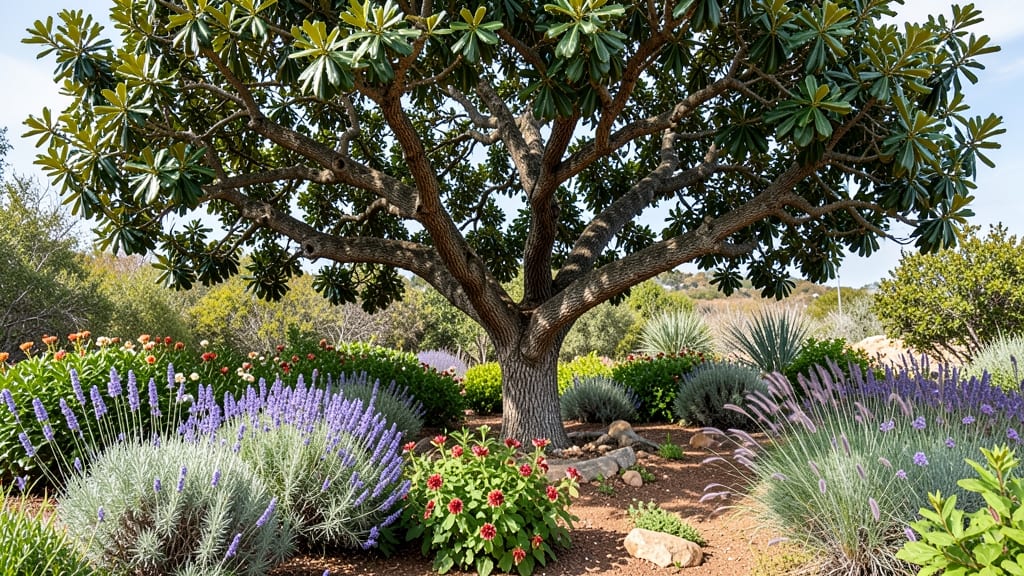
To visit Mendocino CA Botanical Gardens, plan for seasonal hours (usually 10 AM–5 PM daily), with adult admission around $12–$15, including senior and child discounts. Free entry occurs on select days, and guided tours showcase native plants and coastal habitats.
This coastal garden stands out for its climate-adapted plant collections, featuring rare species like manzanita and wild lilac that thrive in the region's foggy, windy conditions. 🌿 The guided tours often spotlight hidden trails where you can spot coastal scrub jays and rare ferns, making it a must-visit for nature lovers.
I always recommend checking their website for seasonal updates, as wildflower displays in spring and fall foliage create completely different experiences.
The $12–$15 entry fee includes access to all trails and educational exhibits, with discounts making it budget-friendly for families. What's surprising is how many visitors don't realize the gardens offer free admission days—these are perfect for quick visits or when you're traveling on a tight budget.
Pro tip: Arrive early to secure parking, especially on weekends when the gardens are most crowded.
💡 In This Article
- Exploring Mendocino Botanical Gardens’ Native Plant Ecosystems
- Best Times to Visit and Seasonal Highlights
Exploring Mendocino botanical gardens’ native plant ecosystems
The gardens showcase over 1,000 plant species thriving in microclimates shaped by Mendocino's coastal fog and redwood forest conditions.
The Arctostaphylos (manzanita) collection, for example, features 20+ varieties adapted to drought and poor soils—its leathery leaves reduce water loss while its bright red berries attract birds that disperse seeds. 🌿 These plants grow in well-drained, rocky soils mimicking natural coastal bluffs, where roots anchor deep to withstand 40+ mph winds common in the region.
The Ceanothus (wild lilac) section demonstrates nitrogen-fixing abilities, enriching the soil for neighboring plants—a critical function in the gardens' biodiversity hotspots. You'll notice their blue-purple flowers bloom in early spring, attracting pollinators like hummingbirds and bees that sustain the entire ecosystem.
The gardens' climate-adapted designs include windbreaks using native cypress trees, which reduce evaporation by 30-40% compared to open areas, preserving moisture for delicate species.
What makes these ecosystems unique is their interconnectedness. The coastal scrub community features plants like toyons and coyote brush that share symbiotic relationships—roots of manzanita host mycorrhizal fungi that help other plants absorb nutrients.
This natural cooperation creates a self-sustaining system that requires minimal irrigation (only 1-2 inches per month during dry seasons), making it a model for sustainable landscaping.
Hidden among these ecosystems are rare ferns like the deer fern, whose fronds unfurl in spring when moisture levels rise. The gardens' shaded understory trails maintain 60-70% humidity, ideal for these moisture-loving plants.
Visitors often overlook the redwood forest edge where salal and vine maple grow, creating a transition zone between coastal scrub and ancient redwoods—this ecotone supports 25% more species than either habitat alone.
For those interested in conservation efforts, the gardens' seed bank preserves genetic material from endangered species like the Mendocino cypress. Each seed packet contains 500-1,000 seeds collected from wild populations, with 95% germination rates when grown under controlled conditions.
This ex-situ conservation ensures these species survive habitat fragmentation caused by climate change and development.
The sensory experience of walking through these ecosystems is unforgettable—crunching underfoot from dry grassland plants, the citrusy aroma of coastal sagebrush, and the rustling of coastal scrub jays moving between branches.
The gardens' interpretive signs explain how each plant contributes to the ecosystem, from nitrogen fixation to erosion control, making the visit both educational and immersive.