
Tools
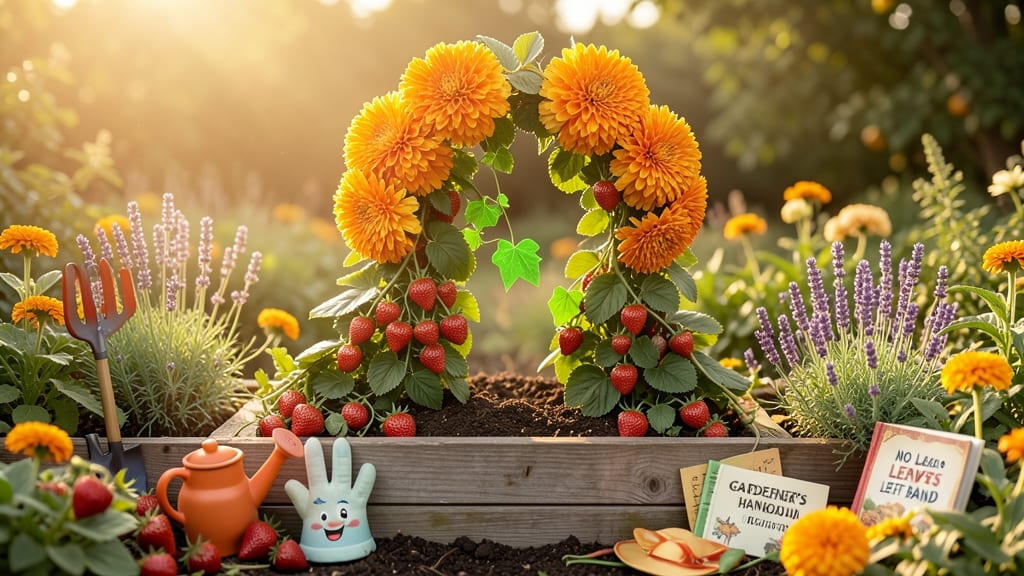
The Naked Gardening Club is a hands-on, immersive gardening community where members learn organic techniques, plant propagation, and sustainable practices through workshops and soil-based education—often without commercial distractions or pre-packaged products.
The Naked Gardening Club stands out by stripping gardening back to its essentials—soil, seeds, and hands-on learning without gimmicks. 🌱 Unlike traditional clubs that focus on pre-packaged plants or high-tech gadgets, this movement emphasizes raw, organic methods like composting, seed-saving, and tool-free techniques.
Members often start with just a trowel and curiosity, making it accessible for beginners while still offering deep expertise for veterans.
What makes this approach unique is its focus on sustainability and self-sufficiency. Workshops often cover topics like building compost bins from scratch or identifying native plants, skills that translate directly to real-world gardening challenges.
The club’s philosophy is simple: less equipment, more knowledge, and a deeper connection to the earth.
💡 In This Article
- Core Principles of Naked Gardening Club’s Organic Approach
- How to Find and Join a Local Naked Gardening Club
Core principles of naked gardening club’s organic approach
The Naked Gardening Club’s philosophy centers on soil health as the foundation of all gardening success. Unlike conventional methods that rely on chemical fertilizers or synthetic soil amendments, this approach focuses on building nutrient-rich soil organically through composting and natural amendments.
Studies show that healthy soil can hold up to 20% more water and support 25% greater plant growth compared to degraded soil, proving that the club’s methods deliver tangible results without shortcuts.
One of their signature techniques is composting with minimal equipment. Members learn to create compost using only a pitchfork, garden waste, and a simple pile or bin—no expensive turners required.
The science behind this is straightforward: aerobic decomposition happens fastest when the carbon-to-nitrogen ratio is balanced (typically 30:1), and turning the pile every 2-3 weeks maintains optimal oxygen levels.
This hands-on method teaches participants how to read their soil’s needs through texture, smell, and moisture—skills that translate to any garden setting.
The club also prioritizes seed-saving and propagation as core skills, emphasizing that healthy seeds produce resilient plants. For example, saving tomato seeds from heirloom varieties preserves genetic diversity while creating plants that adapt better to local conditions.
Unlike store-bought seeds (often hybridized for shelf appeal), these seeds grow into plants that thrive with minimal intervention—a key principle of the club’s philosophy.
What sets this approach apart is its tool-minimalist mindset. While traditional gardening might require pruners, trowels, and gloves, Naked Gardening Club workshops often start with just a trowel and bare hands.
This forces participants to develop manual dexterity and observation skills, like identifying pests by their damage patterns or adjusting planting depth based on soil type. The club’s founder often says, "The best tool is your curiosity"—and the results speak for themselves.
Another standout principle is seasonal synchronization. Members learn to work with nature’s rhythms rather than against them, planting crops at optimal times for their climate.
For instance, in temperate zones, cool-season crops like kale (planted in early spring or fall) thrive with minimal watering, while heat-loving tomatoes need consistent moisture and mulching. This approach reduces waste and energy use compared to year-round gardening with artificial extensions.
Finally, the club’s emphasis on community knowledge-sharing creates a feedback loop of improvement. When members troubleshoot problems together—like diagnosing blight or adjusting pH levels—they collectively refine techniques.
This collaborative troubleshooting often leads to innovative solutions, such as using wood ash for calcium or egg shells for micronutrients, that traditional gardening might overlook.
At its heart, the Naked Gardening Club’s organic approach is about reconnecting with the fundamentals—soil, seeds, and seasons—while building practical skills that work in any garden. The payoff? Plants that grow stronger, soil that stays healthier, and a gardener who truly understands the process from root to harvest. 🌱