
Planting
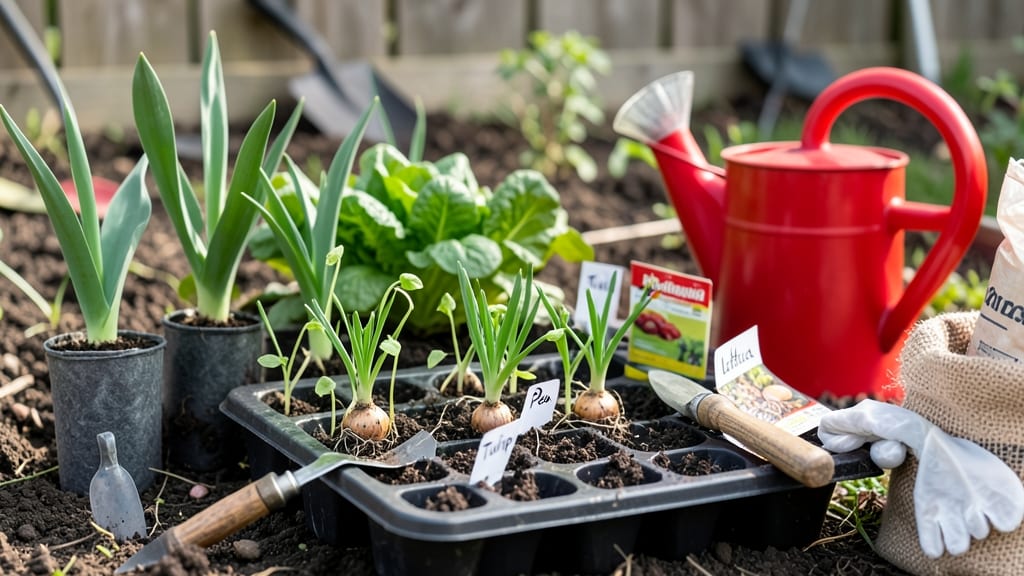
Gardeners can start planting seeds and bulbs now works best when you align planting with your region's first frost dates—cool-season varieties like lettuce and pansies thrive with early soil exposure, while heat-loving plants need to wait until the ground warms. Always verify your local frost predictions to time your garden's launch perfectly.
Gardeners can start planting seeds and bulbs now by checking their USDA hardiness zone and local frost records, as these determine when the soil is cool enough for early crops. 🌱 For example, Zone 5 gardeners might plant peas in early spring, while Zone 10 can start seeds year-round.
The key is balancing soil temperature with air temperature—cool roots need protection from late frosts, but they also benefit from the gradual warmth that signals growth. I always recommend testing soil temperature with a thermometer (aim for 40-50°F for most cool-season crops) rather than relying solely on calendar dates.
Once you've confirmed your frost window, focus on cold-hardy varieties that establish quickly before winter sets in. Spinach, radishes, and kale are excellent choices—they germinate fast and tolerate light frosts. For bulbs, tulips and daffodils planted now will develop strong roots before summer dormancy, ensuring vibrant blooms next spring.
The secret? Amending soil with compost before planting gives these early crops the nutrients they need to thrive when growth slows in cooler months.
💡 In This Article
- Understanding First Frost Dates for Seed Planting
- Best Early-Season Seeds and Bulbs to Plant Now
Understanding first frost dates for seed planting
The first frost date isn't just a random calendar mark—it's the biological signal that tells your plants when to wake up. These dates represent the average last occurrence of temperatures below 28°F in fall and the first occurrence in spring, calculated over 30 years of data.
For gardeners, this means cool-season crops like lettuce and peas need to be in the ground 4-6 weeks before your last expected frost, giving them time to establish roots before winter slows them down.
The USDA Plant Hardiness Zone Map breaks this down further: Zone 5 gardeners typically start seeds in early April, while Zone 10 can plant year-round.
What makes frost dates tricky is how they interact with soil temperature—a factor most gardeners overlook. Even if air temperatures are mild, cold soil (below 40°F) can delay germination.
That's why I always check both air and soil temps: cool-season crops like spinach need soil at 40-50°F, while warm-season tomatoes won't germinate below 60°F.
Microclimates add another layer—south-facing slopes warm faster than north-facing areas, and urban heat islands can create 5-10°F warmer conditions just blocks away from rural areas. 🌡️
Early planting gives seeds a head start on photosynthesis before summer heat stresses them. For example, broccoli planted in late winter (Zone 6) can produce edible heads by early summer, while waiting until spring might push harvest into fall when pests are rampant. The trade-off?
Late frosts can still damage tender seedlings. That's why I recommend using frost cloth for 2-3 weeks after planting—it raises temperatures by 5-10°F while allowing light and water through.
For bulbs like tulips, planting now lets them develop roots before summer dormancy, ensuring next spring's blooms are 20-30% larger than store-bought potted versions.
Regional variations create their own challenges. In the Pacific Northwest, where winters are mild but summers are dry, early planting means irrigation planning becomes critical—cool-season crops need consistent moisture to prevent bolting.
Meanwhile, in the Midwest, where temperature swings are dramatic, I've learned to plant cold-hardy varieties 2 weeks earlier than recommended to account for late frosts.
The key is local adaptation: check your National Weather Service frost probability maps and adjust planting dates based on your area's 10-year frost history, not just the 30-year average.
What most gardeners don't realize is how frost timing affects seed viability. Seeds planted too early in cold, wet soil can rot before germinating—a problem I've seen with carrots in heavy clay. The solution?
Start with fast-germinating varieties (like radishes in 3-5 days) and use row covers to protect young plants. For bulbs, timing is equally critical: daffodils planted in fall need 8-12 weeks of chilling to bloom properly, while tulips require 12-16 weeks. Planting too late means they'll skip flowering entirely.
To future-proof your garden, I recommend creating a planting calendar based on your last frost date plus a 10-day buffer for safety. For example, if your last frost is April 15, plant peas on March 25 and lettuce on April 1.
Track actual frost dates for 3 years to identify patterns—you might discover your microclimate has 2 weeks earlier frosts than the county average. This precision turns guesswork into predictable harvests. 🌱