
Tools
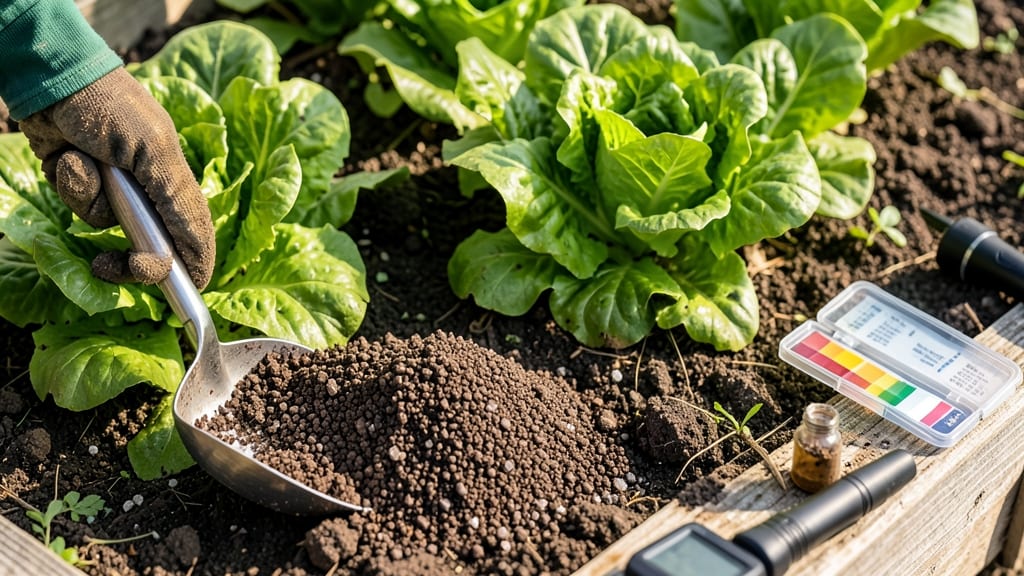
Nitrogen for garden is essential for lush plant growth, promoting vibrant foliage and strong stems by supporting chlorophyll production and protein synthesis in leaves and stems. Apply organic or synthetic nitrogen sources based on soil tests and plant needs.
Nitrogen acts as the building block for plant vitality, fueling everything from leaf color to root development. 🌱 When plants lack nitrogen, you'll notice yellowing leaves (chlorosis) starting at the base, while an overabundance can lead to rapid, weak growth that's prone to pests.
I've found that vegetables like tomatoes and leafy greens respond dramatically to nitrogen-rich amendments, but timing matters—too much too soon can burn tender roots. Soil tests reveal the exact nitrogen levels your plants need, helping you avoid costly mistakes.
For most gardeners, the challenge isn't just knowing when to add nitrogen, but how. Organic options like composted manure release nutrients slowly, while synthetic fertilizers deliver immediate results. I recommend blending both approaches: use compost for long-term soil health and targeted synthetic boosts during active growing seasons.
This balance ensures your plants get the energy they need without overwhelming the ecosystem.
💡 In This Article
- How Nitrogen Boosts Plant Growth at the Cellular Level
- Best Organic and Synthetic Nitrogen Sources for Different Gardens
How nitrogen boosts plant growth at the cellular level
Nitrogen serves as the backbone of chlorophyll, the green pigment that captures sunlight for photosynthesis. Inside plant cells, nitrogen atoms combine with carbon, hydrogen, and oxygen to form porphyrin rings—the core structure of chlorophyll molecules.
Without adequate nitrogen, plants can't produce enough chlorophyll, leading to pale or yellowish leaves, a condition called chlorosis. This deficiency often appears first on older leaves because plants prioritize moving nitrogen to new growth, leaving the oldest foliage to suffer first.
The impact of nitrogen extends beyond chlorophyll. It's a critical component of amino acids—the building blocks of proteins—that power nearly every cellular process. For example, glutamine and asparagine, two nitrogen-rich amino acids, help plants transport nitrogen throughout their systems.
When nitrogen levels drop below 0.5% in leaf tissue (measured via soil tests), protein synthesis grinds to a halt, stunting growth and weakening stems. This is why nitrogen-deficient plants often look leggy and spindly, struggling to support their own weight.
Nitrogen also plays a vital role in enzyme activation, particularly in nitrogenase enzymes that help fix atmospheric nitrogen into usable forms. These enzymes require iron and molybdenum cofactors to function, creating a delicate balance where nitrogen availability directly influences how efficiently plants can utilize other nutrients.
When nitrogen is abundant, plants grow rapidly—but this speed comes at a cost: weak cell walls that attract pests and diseases. The ideal nitrogen level varies by plant type, but most vegetables thrive with 20-50 ppm (parts per million) in leaf tissue.
Excess nitrogen creates its own set of problems. While it might seem counterintuitive, overapplying nitrogen leads to root burn, where salt concentrations in the soil disrupt cellular membranes. This causes roots to brown and die back, reducing a plant's ability to absorb water and nutrients.
The environmental impact is equally concerning: excess nitrogen leaches into groundwater, contributing to harmful algal blooms in lakes and coastal waters. 🌊 A single application of synthetic nitrogen fertilizer can remain in the soil for months, making precise timing and dosage critical.
To visualize the process, think of nitrogen as the plant's energy currency. When you add nitrogen-rich amendments like compost or fertilizer, you're essentially giving plants more "fuel" to build new cells.
The difference between a thriving tomato plant and a struggling one often comes down to whether it has access to enough nitrogen during its most active growth phases.
For instance, leafy greens like spinach and kale require consistent nitrogen throughout their growing season, while fruiting plants like tomatoes benefit from nitrogen early in the season but need less as they shift energy toward fruit production.
Soil microorganisms also play a crucial role in nitrogen availability. Bacteria like Rhizobium in legume root nodules and Azotobacter in the soil atmosphere convert atmospheric nitrogen (N₂) into ammonia (NH₃), which plants can absorb.
This natural process accounts for about 50-100 pounds of nitrogen per acre annually, but most gardeners need to supplement this with additional sources to meet plant demands. The key is understanding your soil's existing nitrogen levels—something a simple $20 soil test can reveal—and adjusting your fertilizer strategy accordingly.