
Advice
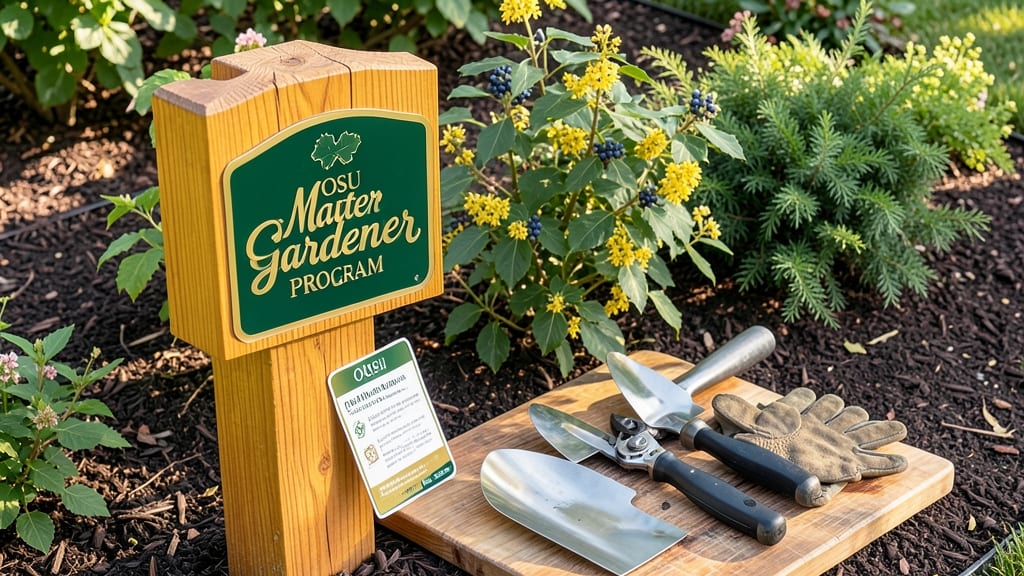
The Oregon State University Master Gardener program trains volunteers to deliver research-based horticultural education, covering plant health, sustainable gardening, pest management, and community outreach. Applicants need gardening experience, a fee, and must complete 40+ hours of coursework before volunteering in local communities.
The Oregon State University Master Gardener program stands out because it combines science-backed horticulture with real-world problem-solving. 🌱 You’ll dive into topics like plant diseases, soil science, and eco-friendly gardening techniques—all grounded in OSU’s Extension research.
What sets this program apart is its hands-on approach: after classroom learning, you’ll apply what you’ve learned through volunteer work, helping local communities with everything from garden diagnostics to youth education.
If you’re applying, be prepared for a structured process. Most regions require a background check, a small program fee (around $250-$350), and proof of gardening experience. The training itself spans 40-60 hours of classroom instruction, plus ongoing mentorship.
What I love about this program is how it turns passion into action—you’re not just learning, you’re immediately putting those skills to work in your community.
💡 In This Article
- What Training and Curriculum Does the OSU Master Gardener Program Include?
- Step-by-Step Guide to Applying for the OSU Master Gardener Program
What training and curriculum does the OSU Master Gardener program include?
The OSU Master Gardener curriculum is built on Oregon State University’s Extension research, ensuring every topic is grounded in the latest horticultural science. You’ll start with foundational courses like plant pathology, where you’ll learn to diagnose diseases like powdery mildew or root rot using microscopy and lab techniques.
The program dives deep into soil science, teaching you how to analyze soil pH (ideal range: 6.0-7.0 for most plants) and nutrient levels using tools like the Bray-1 test. 🌱 What’s fascinating is how they connect theory to practice—like learning how mycorrhizal fungi improve root systems by 30-50% in some plants.
Sustainable practices are a core focus, covering organic pest management, water conservation (OSU’s research shows drip irrigation can save 30-50% water compared to overhead systems), and native plant ecology. You’ll spend hands-on time in labs identifying pests like Japanese beetles or aphids under magnification, then discuss biological controls like ladybugs.
The program also emphasizes community gardening, where you’ll design plans for urban food forests or school gardens using permaculture principles. Field trips to OSU’s Horticulture Research Farm let you see these concepts in action.
What makes this curriculum stand out is its balance of breadth and depth. While you’ll cover everything from botany basics to advanced pruning techniques, each module includes case studies from real Oregon gardens.
For example, the native plants section teaches you how to select species like Oregon grape or sword fern that thrive in our USDA Zone 7-9 climate while supporting local pollinators. 🐝 The program even includes a module on garden communication, preparing you to teach others—whether through workshops or one-on-one consultations.
Hands-on learning is non-negotiable. After classroom sessions, you’ll complete projects like diagnosing plant problems in the OSU Extension Master Gardener Clinic or helping local schools build raised beds. The program’s volunteer requirement (typically 50 hours/year) ensures you apply what you learn immediately.
What I’ve seen from participants is how this practical experience builds confidence—suddenly, that yellowing leaf you see in your neighbor’s garden isn’t just a mystery, but a solvable puzzle.
One module that often surprises newcomers is plant propagation, where you’ll master techniques like layering (for plants like raspberries) or tissue culture (used for rare orchids). You’ll also learn how to propagate native shrubs like salal or vine maple from cuttings, a skill that’s invaluable for restoration projects.
The curriculum even includes a section on edible landscaping, teaching you how to design gardens that produce food while supporting biodiversity—like combining fruit trees with companion herbs to deter pests naturally.
What ties it all together is OSU’s Extension network. You’ll have access to the university’s plant diagnostic lab, where you can submit samples for analysis, and a community of 2,000+ Master Gardeners across Oregon who share regional insights.
The program’s continuing education requirement ensures your knowledge stays current, with annual workshops on emerging topics like climate-adapted gardening or urban heat island mitigation. 🌿 This isn’t just a certificate—it’s a lifelong learning journey that transforms how you see your garden and your community.