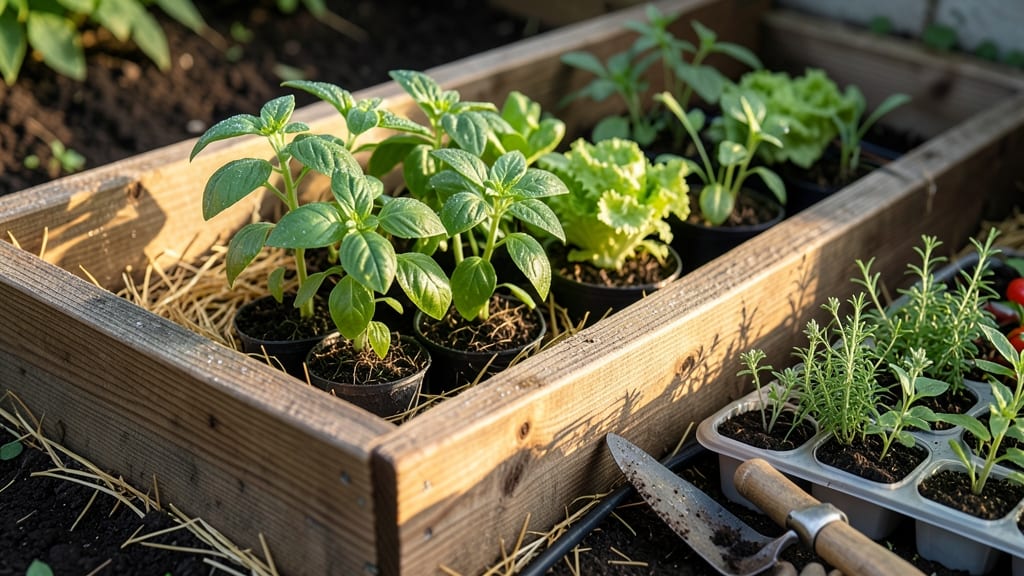
Outdoor raised garden bed ideas are the game-changer for small yards, turning tight spaces into lush, productive gardens without the backbreaking work of digging.
Picture this: a 6-foot-by-2-foot bed tucked into a corner, overflowing with herbs and veggies, or a spiral design that fits snugly against a fence—both space-saving and stylish. These layouts prove you don’t need a sprawling plot to grow a bounty.
From rustic cedar to sleek metal frames, the right materials and shapes can blend seamlessly into your yard while boosting yields. Whether you’re a beginner or a seasoned gardener, the ideas ahead will help you design a bed that’s as functional as it is beautiful.
Below, I’ll walk you through 10 creative layouts, material comparisons, and pro tips to keep your raised beds thriving year after year—no matter how compact your space.
10 Space-saving raised garden bed layouts for small yards
Even the tiniest backyard can become a productive garden with the right raised bed designs. These layouts maximize vertical space and corner areas while keeping maintenance simple.
Whether you have a narrow alley or a cozy patio, these space-saving solutions will transform your outdoor space into a lush oasis without sacrificing square footage.
My favorite designs focus on multi-level configurations and vertical gardening to grow more in less space. For example, a tiered bed can fit three layers of plants where one flat bed would only hold one.
Plus, raised beds warm up faster in spring, giving you an earlier start to planting—critical for short growing seasons in USDA Zone 6.
Below, I’ve outlined 10 creative layouts with dimensions, plant suggestions, and tips to get the most out of your small yard. Each design balances aesthetics with functionality, ensuring your garden is both beautiful and productive.
| Layout Name |
Dimensions (ft) |
Best For |
Plant Examples |
Sun Needs |
| Corner Pocket Bed |
2' x 2' x 1.5' high |
Herbs, leafy greens |
Basil, lettuce, spinach |
Partial to full sun |
| Tiered Stacked Bed |
3' long x 1.5' wide x 3 tiers |
Vegetables, flowers |
Tomatoes, peppers, marigolds |
Full sun |
| Vertical Pallet Planter |
4' tall x 2' wide |
Trailing plants |
Strawberries, nasturtiums |
Partial sun |
| Spiral Herb Garden |
3' diameter x 1' high |
Herbs, microgreens |
Parsley, chives, radishes |
Full sun |
| Window Box Extension |
2' long x 8" deep |
Small veggies |
Green onions, thyme |
Partial to full sun |
| U-Shaped Perimeter Bed |
8' long x 2' wide |
Root crops, bush beans |
Carrots, beans, zucchini |
Full sun |
| Hanging Pocket Planters |
12" diameter x 6 pockets |
Herbs, flowers |
Mint, petunias |
Partial to full sun |
| Raised Keyhole Bed |
5' diameter x 1.5' high |
Mixed veggies |
Peppers, eggplant, basil |
Full sun |
| Stacked Cube Planters |
2' x 2' x 3 cubes |
Compact veggies |
Cherry tomatoes, peppers |
Full sun |
| Alleyway Planter |
10' long x 1.5' wide |
Tall
How to choose the best materials for durable raised beds
Selecting the right materials for your raised garden beds is key to ensuring longevity and low maintenance. Each option—cedar, redwood, composite lumber, and recycled plastic—offers unique benefits and trade-offs.
I’ll break down the pros and cons to help you pick the perfect fit for your outdoor garden space and budget.
When choosing materials, consider cost per board foot, resistance to rot and insects, and how well they hold up under moisture and temperature swings. For example, cedar is naturally resistant to decay, while composite lumber mimics wood but lasts decades without splitting. Let’s dive into the details.
Material Comparison for Raised Beds
Cedar
- Pros: Natural rot resistance, aromatic, eco-friendly
- Cons: Higher cost, requires sealing every 2-3 years
Redwood
- Pros: Naturally decay-resistant, attractive grain
- Cons: Expensive, limited availability in some regions
Composite Lumber
- Pros: No sealing needed, 25+ year lifespan, pest-proof
- Cons: Higher upfront cost, can get hot in sun
Recycled Plastic
- Pros: Lightweight, no maintenance, termite-proof
- Cons: Less breathable, can trap heat, limited aesthetic appeal
For eco-conscious gardeners, cedar or redwood are excellent choices because they’re sustainably sourced and require minimal chemical treatments. If you’re on a budget but want long-term durability, composite lumber is worth the investment—it won’t warp or splinter like traditional wood.
Regardless of material, always prioritize proper drainage. Add a landscaping fabric layer at the bottom to prevent soil from washing out while allowing water to flow freely. For wooden beds, apply a non-toxic sealant annually to protect against UV rays and moisture.
My personal favorite for urban gardens is composite lumber because it eliminates the hassle of sealing and replacing rotted boards. However, if you love the rustic charm of wood, cedar is a close second—just be prepared for occasional maintenance.
For heavy-duty use, like growing tomatoes or peppers, recycled plastic beds can handle the weight without sagging.
No matter which material you choose, your raised garden bed will thrive with the right care. Start with a solid foundation, protect it from the elements, and enjoy years of bountiful harvests! 🌱
★★★★★4.9(10 reviews)
|