
Tools
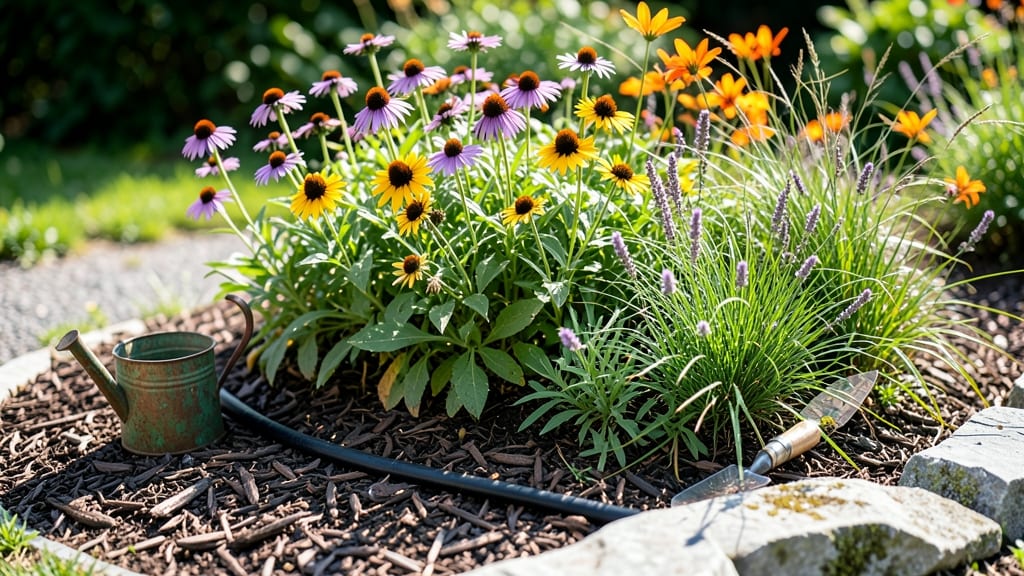
Creating mound garden bed ideas can turn your yard into a thriving, low-maintenance landscape that works with your space instead of against it.
Picture this: no more soggy soil or weeds choking your plants, just a raised, sloped design that lets water drain away while giving you easier access to every corner. Whether you're dealing with clay soil or a tight urban patio, these beds adapt to your needs—no heavy digging required.
Beyond the practical perks, mound beds let you play with height and texture, mixing drought-resistant perennials with trailing flowers for a garden that feels both functional and stunning. Plus, they improve soil health over time by reducing compaction and encouraging root growth.
In this guide, I’ll walk you through the best materials, plant pairings, and step-by-step builds to craft a mound bed that’s as beautiful as it is easy to care for—no green thumb required.
How to Build a raised mound garden bed for optimal drainage & plant growth
If you're tired of battling soggy soil or limited garden space, a raised mound garden bed could be your game-changer. Unlike traditional flat beds, these elevated structures improve drainage, prevent erosion, and give plants room to thrive—even in challenging climates.
The best part? You don’t need a green thumb or deep pockets to create one. I’ve designed low-maintenance mounds that work for vegetables, flowers, or herbs, all while adding height and visual interest to your yard.
Before you grab a shovel, let’s talk height and shape. A well-built mound should be at least 12-18 inches tall to ensure proper drainage, but you can go higher (up to 3 feet) if your plants need extra support or if you’re dealing with heavy clay soil.
The shape can be circular, oval, or even a long, winding ridge—just make sure the slope isn’t too steep to avoid erosion. For inspiration, think of a miniature hill where plants can cascade or stand tall without competing for space.
Step-by-Step Guide to Building Your Mound Garden Bed
- 1 Choose Your Location: Pick a spot with 6+ hours of sunlight and easy access to water. Avoid low-lying areas where water pools after rain.
- 2 Mark the Shape: Use stakes and string to outline your design. For a 3-foot mound, start with a base width of 4-5 feet to ensure stability.
- 3 Layer the Base: Remove 6 inches of turf and add a 4-inch layer of gravel or broken bricks for drainage. This prevents waterlogging and roots from suffocating.
- 4 Build the Mound: Pile native soil and compost in the center, then slope the sides gently (about 30 degrees). For extra height, use wooden frames or rocks to contain the soil.
- 5 Add Soil Layers: Top with 6 inches of topsoil, then mix in organic matter like leaf mold or aged manure. For vegetables, add a 2-inch layer of compost on top.
- 6 Plant Strategically: Place tall plants (like sunflowers or hollyhocks) at the back or center, and trailing plants (such as nasturtiums) on the edges. This creates a natural waterfall effect and maximizes space.
- 7 Mulch and Protect: Cover the mound with 2-3 inches of mulch (straw, wood chips, or pine needles) to retain moisture and suppress weeds. For windy areas, add edging stones to keep the soil in place.
- 8 Water Deeply: Give your mound a deep watering after planting, then water at the base (not the top) to encourage root growth and reduce evaporation.
One of the biggest advantages of a raised mound bed is its customizable height. If you’re growing root vegetables like carrots or potatoes, aim for a 12-inch mound to prevent forking.
For ornamental plants or herbs, a 18-inch height works beautifully, especially in small spaces where you want to maximize vertical growth. Pro tip: If your mound is taller than 2 feet, consider adding a drip irrigation system to ensure even water distribution.
For materials, you have plenty of options. If you’re going for a natural look, use local rocks or logs to edge
Sloped mound garden bed designs: creative ways to elevate your landscape
Transforming a sloped yard into a stunning garden doesn't require heavy machinery or complex designs. Sloped mound garden beds create natural terraces that prevent erosion while adding visual interest. These designs work beautifully in small spaces or large landscapes, offering customizable height levels and improved water drainage for healthier plants.
Unlike traditional flat beds, sloped mounds allow you to cascade plants for a dramatic effect or create multi-level terraces that follow your property's natural contours. The key is balancing plant height with slope stability—taller plants on higher edges prevent erosion while trailing varieties soften the design.
Let's explore how to integrate these creative solutions into your garden.
Comparison of Sloped Mound Designs
For terraced step designs, start by marking levels with stakes and string. Use landscape fabric between soil layers to prevent mixing and improve drainage. Plant tall perennials like black-eyed Susans at the back tiers and low-growing sedums at the front.
This creates a natural waterfall effect while stabilizing the slope.
In cascading curve designs, let nature guide your layout. Use native ground covers like creeping thyme or ajuga to soften edges and prevent erosion. Add swales (shallow trenches) to direct water flow away from plants.
This approach works perfectly for wildflower meadows or ornamental grasses that thrive in slightly moist conditions.
Small spaces benefit most from multi-level platforms. Build compact mounds (1-2 feet high) using cinder blocks or stone borders to contain soil. Fill with well-draining mix and plant dwarf varieties like miniature roses or thyme. These designs maximize growing area while adding vertical interest to your landscape.
Remember to test your soil before building—amend with compost or sand if needed. For slopes over 3 feet tall, consider adding retention walls or bamboo stakes for extra support.
With these creative sloped mound designs, you'll create a functional and beautiful garden that works with your land's natural contours. 🌿