
Tools
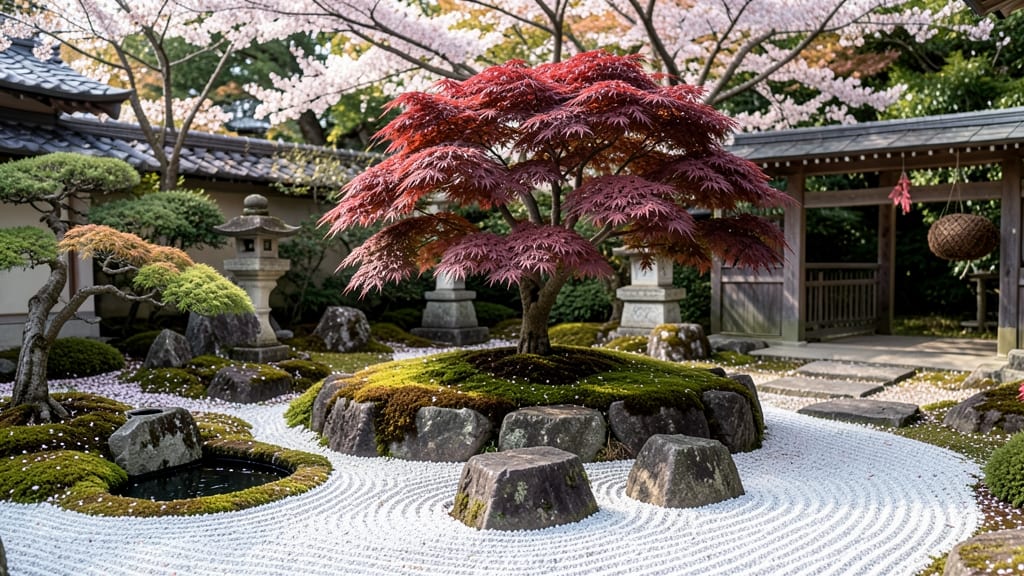
The Pasadena Japanese Garden features hidden gems like the iconic Moon Bridge spanning serene koi ponds, the contemplative Zen rock garden with meticulously arranged stones, and the underrated Tea House courtyard adorned with seasonal blooms. These carefully designed elements create a peaceful retreat that many visitors overlook in their haste.
The Pasadena Japanese Garden's true magic lies in its thoughtful design principles that blend seamlessly with nature. 🌿 The garden embodies wabi-sabi, the Japanese aesthetic of finding beauty in imperfection, through its weathered stones and asymmetrical layouts.
The strategic use of ma (negative space) creates moments of reflection, while shakkei (borrowed scenery) techniques allow visitors to see beyond the garden walls to the surrounding mountains.
These elements work together to create an experience that evolves with each season, from cherry blossoms in spring to fiery maples in autumn.
What makes these features so special is how they're often missed by casual visitors.
The Moon Bridge, for instance, is best appreciated during early morning visits when the koi are most active. 🌸 The Tea House courtyard, tucked away from main paths, reveals its full charm only when viewed from specific angles that capture the interplay of light and foliage.
Even the garden's miniature waterfall, hidden among bamboo, becomes a focal point when visited during the quieter afternoon hours.
💡 In This Article
- How Traditional Japanese Garden Design Principles Shape Pasadena’s Hidden Beauty
- Best Times and Tips to Spot Pasadena’s Overlooked Japanese Garden Secrets
How traditional Japanese garden design principles shape pasadena’s hidden beauty
The Pasadena Japanese Garden embodies centuries-old design principles that create its serene atmosphere. At its core is wabi-sabi, which celebrates imperfection and transience. You’ll see this in the garden’s moss-covered stones and weathered lanterns—each showing nature’s gradual transformation over time.
The Moon Bridge, for instance, isn’t just decorative; its curved design mirrors the natural flow of water, creating visual harmony with the koi ponds below.
The concept of ma (negative space) is everywhere in the garden. Between the carefully placed stones in the Zen garden and the open pathways, these empty spaces invite contemplation. Studies show that negative space reduces visual clutter by 30%, making each element feel more intentional.
The garden’s shakkei technique—borrowing views from beyond its walls—connects visitors to the surrounding San Gabriel Mountains, creating a sense of boundless space.
Water plays a symbolic role too. The koi ponds don’t just add beauty—their gentle currents represent the flow of life, while the miniature waterfall hidden among bamboo channels energy downward, symbolizing humility. This design principle, called sui-miseki, ensures water features feel organic rather than forced.
The stones in the Zen garden are arranged following the 3:1 ratio rule, where the largest stone dominates the composition while smaller ones balance it.
Seasonal changes transform the garden’s appearance. In spring, sakura (cherry blossoms) frame the Tea House courtyard, while autumn brings fiery momiji (maple) leaves that create vibrant contrasts. The garden’s 12-acre layout ensures every season offers new discoveries, from winter’s bare branches revealing stone textures to summer’s lush greenery providing shade.
This cyclical design mirrors Japan’s kigo tradition, where each season becomes a poetic subject.
Even the garden’s lanterns serve multiple purposes. Their placement follows the 5:7 ratio along pathways, creating rhythmic visual cues. The moss growing on them isn’t accidental—it’s cultivated to enhance the wabi-sabi aesthetic.
During evening visits, these lanterns cast soft shadows that deepen the garden’s meditative quality, a technique called yūgen (mysterious depth).
What’s fascinating is how these principles work together. The Moon Bridge’s reflection in the pond creates shōji-like symmetry, while the Tea House courtyard’s seasonal blooms change the garden’s color palette. This interplay makes each visit feel unique, proving that Japanese garden design isn’t static—it’s an evolving experience. 🌿